Introduction
In today’s fast-paced global economy, supply chain management has become more complex than ever. Products often pass through multiple countries, manufacturers, warehouses, distributors, and retailers before reaching the final customer. While this interconnected system enables businesses to scale globally, it also creates significant challenges such as lack of transparency, fraud, delays, counterfeiting, and inefficient documentation.

This is where blockchain technology is making a major impact.
Originally developed as the technology behind cryptocurrencies like Bitcoin, blockchain has evolved far beyond digital currencies. Today, it is emerging as a powerful solution for supply chain management by improving transparency, security, traceability, and efficiency.
In this blog, we’ll explore how blockchain is transforming supply chains, its benefits, real-world use cases, and the challenges businesses need to consider.
What Is Blockchain?
Before diving into supply chain applications, let’s quickly understand blockchain.
Blockchain is a decentralized digital ledger that records transactions across multiple computers in a secure and tamper-resistant way. Instead of storing data in one central location, blockchain distributes information across a network, making it difficult to alter records without consensus.
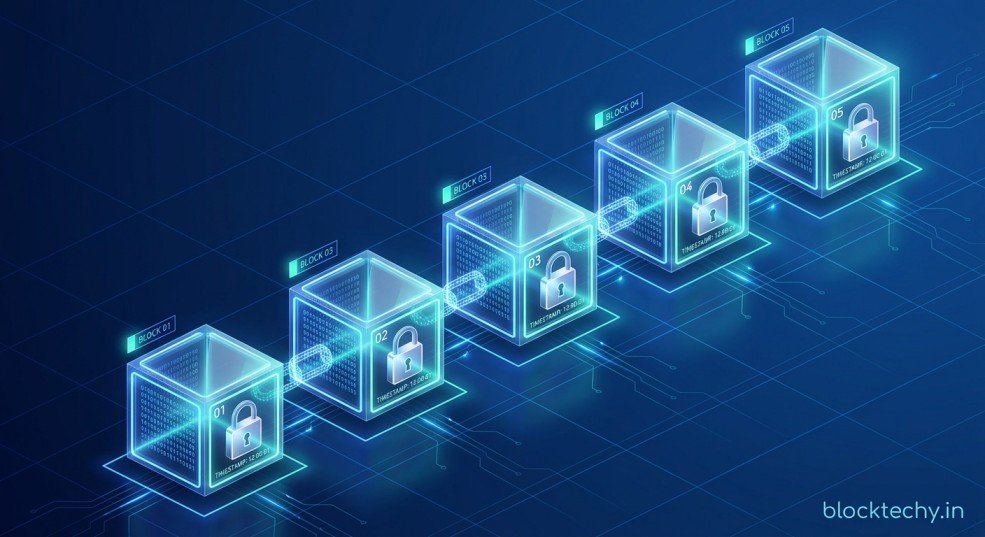
Each transaction is stored in a “block,” and these blocks are linked together chronologically to form a “chain.”
Key characteristics of blockchain include:
- Transparency – Authorized participants can view transaction records.
- Immutability – Once data is recorded, it cannot be easily changed.
- Security – Cryptographic encryption protects data.
- Decentralization – No single party controls the entire network.
- Traceability – Every transaction can be tracked historically.
These features make blockchain especially valuable in supply chain management.
Challenges in Traditional Supply Chain Management
Traditional supply chain systems often rely on fragmented databases, paperwork, emails, and manual coordination between multiple stakeholders.
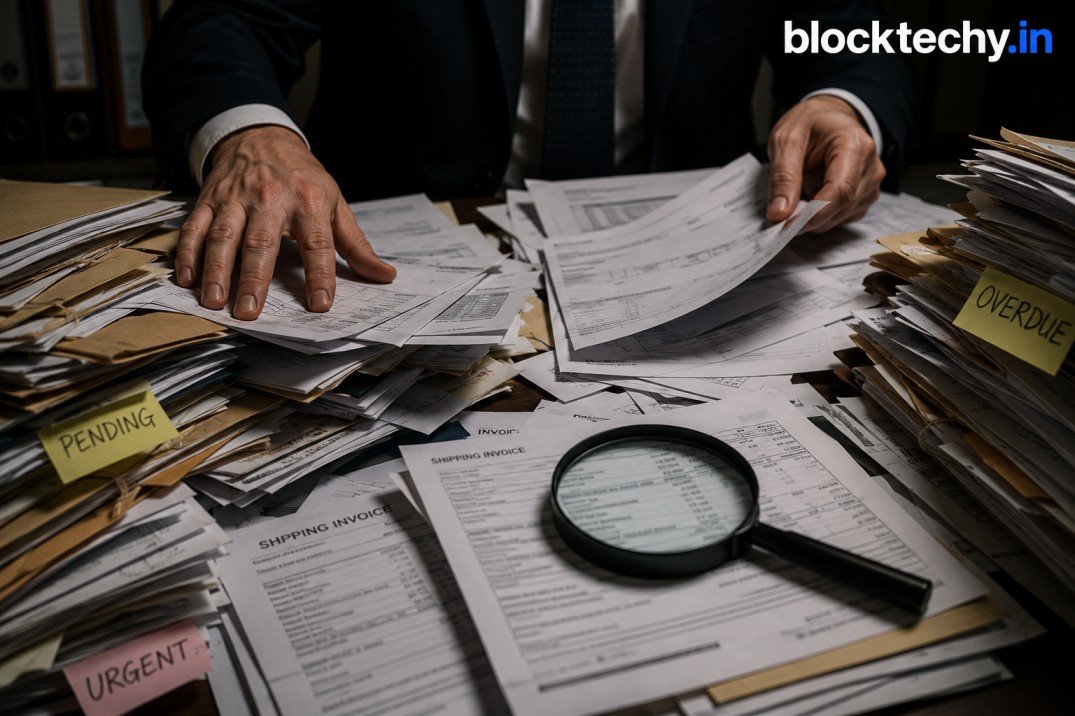
Common challenges include:
1. Lack of Transparency
Businesses often struggle to track where products are at a given moment. Information may be siloed among manufacturers, logistics providers, and retailers.
This limited visibility can lead to poor decision-making and delayed issue resolution.
2. Counterfeit Products
Counterfeit goods are a massive global problem, especially in industries like pharmaceuticals, luxury goods, electronics, and food.
Without reliable tracking, fake products can enter legitimate supply chains.
3. Slow Documentation Processes
Supply chains involve invoices, customs paperwork, shipping records, compliance certifications, and contracts.
Manual processing causes delays, errors, and increased administrative costs.
4. Limited Traceability
When product recalls happen, companies often struggle to identify the exact origin of defects quickly.
This increases risk, cost, and reputational damage.
5. Fraud and Data Manipulation
Centralized systems are vulnerable to unauthorized changes, fraud, and cyberattacks.
Trust between supply chain participants can become a major issue.
How Blockchain Improves Supply Chain Management
Blockchain addresses these pain points by creating a shared, secure source of truth for all stakeholders.
1. End-to-End Transparency
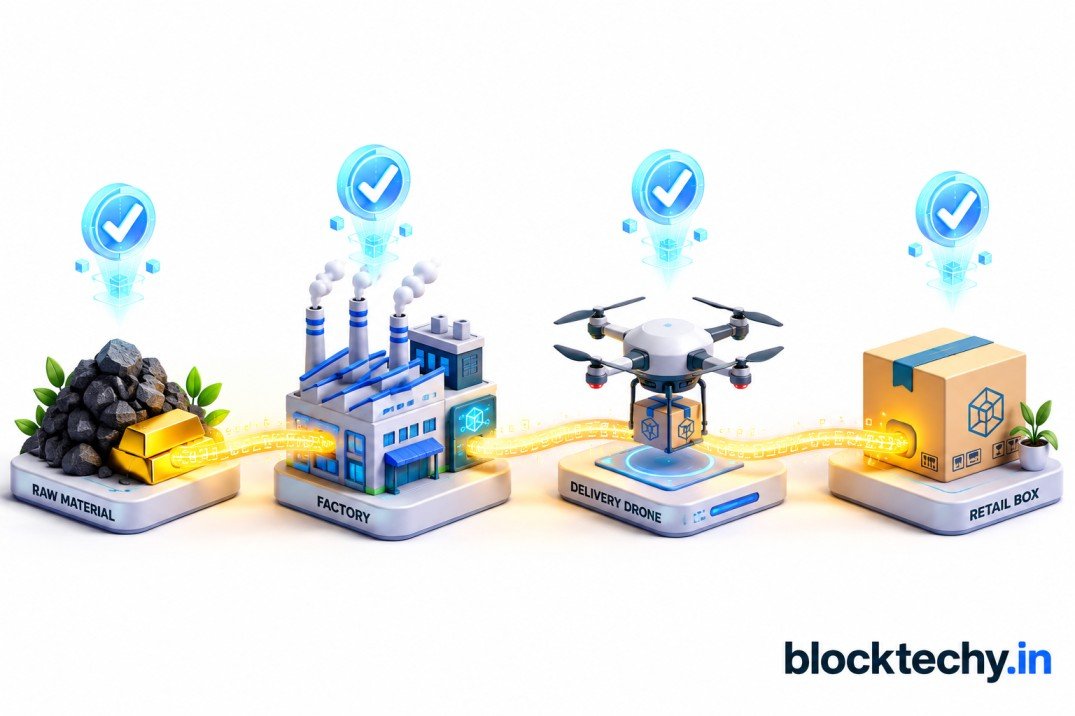
Blockchain allows every participant in the supply chain to access a synchronized record of product movement.
For example:
A product moving from:
Raw Material Supplier → Manufacturer → Distributor → Retailer → Customer
can be tracked at every stage.
This visibility helps businesses:
- Monitor shipment progress
- Detect bottlenecks
- Improve coordination
- Reduce communication delays
Greater transparency builds trust across the ecosystem.
2. Enhanced Product Traceability
One of blockchain’s strongest advantages is traceability.
Every product transaction can be timestamped and recorded permanently.
If a company needs to trace a contaminated food batch, defective auto component, or fake medicine, blockchain makes it easier to identify:
- Source supplier
- Production date
- Shipping route
- Handling records
- Distribution points
This speeds up investigations and minimizes losses.
Example:
Instead of taking days to trace a food contamination source, blockchain-based systems can potentially do it in minutes.
3. Fighting Counterfeit Goods
Counterfeiting causes billions in losses every year.
Blockchain helps by assigning unique digital identities to products.
This could include:
- QR codes
- RFID tags
- Serial numbers
- Digital certificates
Consumers, retailers, and inspectors can verify authenticity by checking blockchain records.
Industries benefiting include:
- Pharmaceuticals
- Luxury fashion
- Electronics
- Automotive parts
- Fine art
This improves customer trust and brand protection.
4. Smarter Documentation with Smart Contracts
Smart contracts are self-executing digital agreements stored on blockchain.
They automatically trigger actions when predefined conditions are met.
Example:
A payment could automatically release when:
- Goods arrive at destination
- Delivery confirmation is verified
- Temperature compliance is confirmed
Benefits include:
- Reduced paperwork
- Faster settlements
- Lower administrative costs
- Fewer disputes
- Improved efficiency
This automation can significantly streamline supply chain operations.
5. Improved Security
Supply chains are attractive targets for cybercriminals.
Traditional centralized databases can be hacked or manipulated.
Blockchain improves security through:
- Cryptographic protection
- Distributed storage
- Immutable records
- Consensus validation
Unauthorized alterations become much harder.
This helps protect sensitive supply chain data.
6. Better Inventory Management
Blockchain provides accurate, real-time inventory visibility.
Businesses can better track:
- Stock levels
- Warehouse transfers
- Incoming shipments
- Demand fluctuations
This helps reduce:
- Overstocking
- Stockouts
- Manual reconciliation errors
Improved inventory intelligence leads to lower operational costs.
7. Faster Dispute Resolution
Disputes often arise over:
- Missing shipments
- Delivery delays
- Payment disagreements
- Quantity mismatches
- Contract misunderstandings
Blockchain creates a transparent transaction history accessible to authorized parties.
This reduces ambiguity and helps resolve conflicts faster.
Real-World Applications of Blockchain in Supply Chains
Food Supply Chain
Food safety depends heavily on traceability.
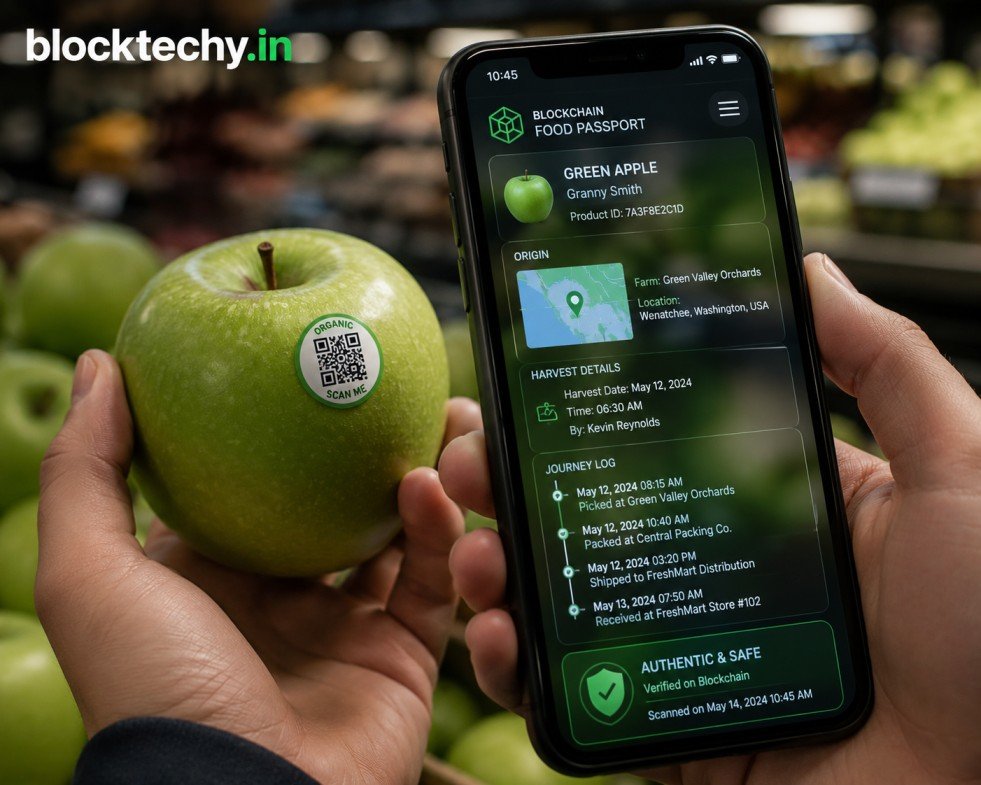
Blockchain helps track:
- Farm origin
- Processing facilities
- Shipping conditions
- Storage history
- Retail delivery
Benefits:
- Faster recalls
- Better compliance
- Improved consumer confidence
Consumers increasingly want to know where food comes from.
Blockchain enables that transparency.
Pharmaceutical Industry
Counterfeit medicines can be dangerous and even life-threatening.

Blockchain helps verify:
- Drug authenticity
- Manufacturing source
- Distribution chain
- Regulatory compliance
This reduces fake products entering the market.
It also supports safer recalls.
Luxury Goods
Luxury brands face major counterfeit risks.
Blockchain-based digital product passports can verify authenticity.

Customers can confirm:
- Manufacturing origin
- Ownership history
- Certification records
This adds trust and resale value.
Shipping and Logistics
International shipping involves multiple intermediaries.
Blockchain can improve:
- Shipment tracking
- Customs documentation
- Delivery verification
- Freight coordination
This reduces delays and manual inefficiencies.
Manufacturing
Manufacturers depend on parts from many suppliers.
Blockchain helps monitor:
- Component origin
- Supplier quality
- Compliance certifications
- Production timelines
This strengthens supply chain resilience.
Benefits for Businesses
Organizations adopting blockchain in supply chain management can gain significant advantages.
Increased Efficiency
Automation and real-time visibility reduce manual processes and delays.
Reduced Costs
Savings may come from:
- Lower paperwork
- Faster reconciliation
- Reduced fraud
- Better inventory control
- Fewer disputes
Stronger Customer Trust
Transparency improves customer confidence in product authenticity and sourcing.
Better Compliance
Blockchain simplifies audit trails and regulatory reporting.
Faster Decision-Making
Access to accurate supply chain data improves responsiveness.
Risk Reduction
Better traceability helps manage recalls, fraud, and operational disruptions.
Challenges of Blockchain Adoption
Despite its benefits, blockchain implementation is not without obstacles.
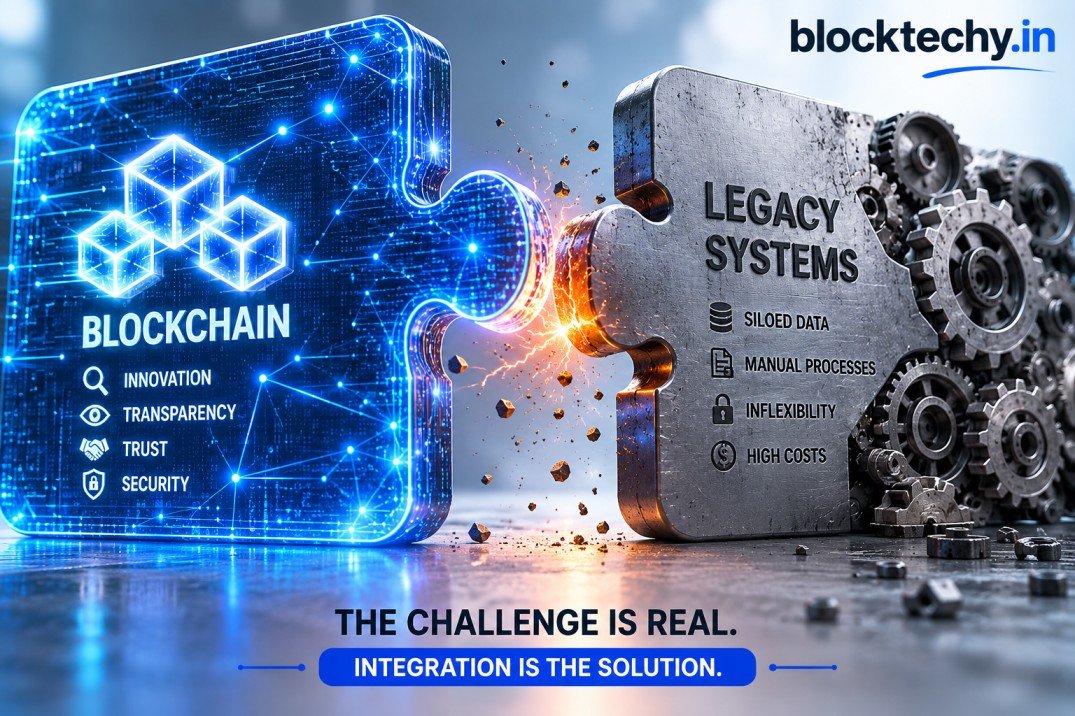
Integration Complexity
Many businesses use legacy supply chain software.
Integrating blockchain with existing systems can be technically challenging.
Scalability Issues
Large supply chains generate enormous transaction volumes.
Some blockchain platforms may struggle with speed and throughput.
Initial Investment Costs
Implementation may require:
- Software development
- Infrastructure upgrades
- Training
- Process redesign
Short-term costs can be significant.
Industry Collaboration Requirements
Blockchain works best when multiple stakeholders participate.
Adoption can be difficult if suppliers or partners resist change.
Data Accuracy Problem
Blockchain protects recorded data, but it cannot guarantee that incorrect data entered initially is accurate.
This is often called the “garbage in, garbage out” problem.
Reliable input systems remain essential.
Regulatory Uncertainty
Blockchain regulations continue evolving globally.
Businesses must navigate legal and compliance complexities.
The Future of Blockchain in Supply Chains
Blockchain adoption is still developing, but momentum is growing.
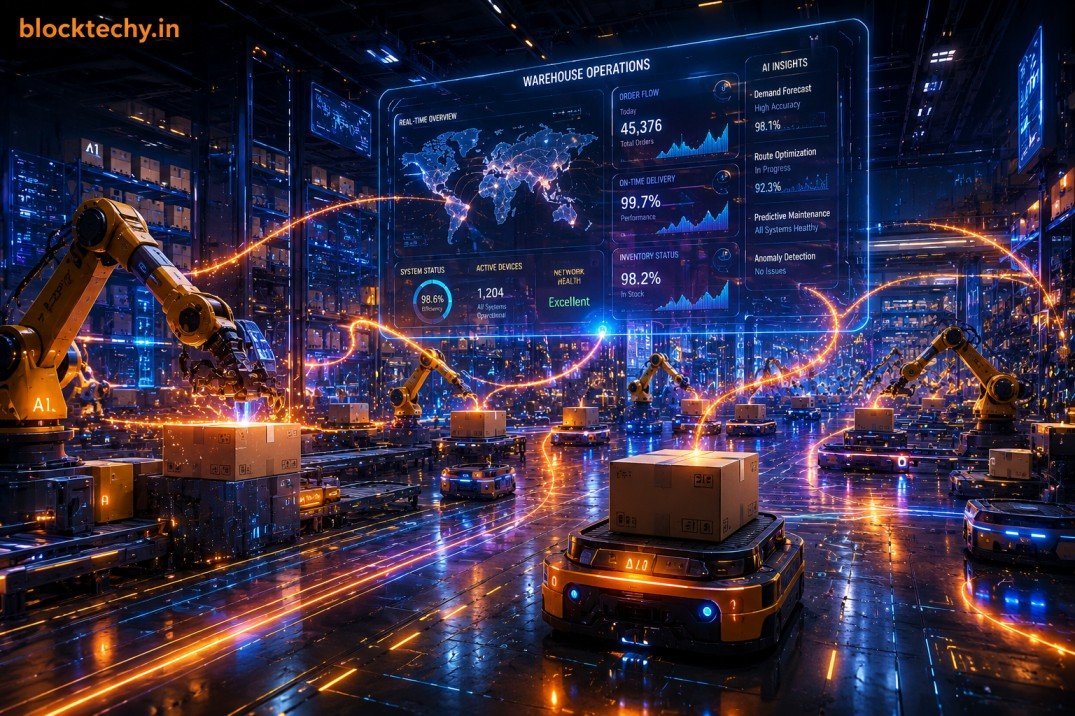
Future trends may include:
IoT + Blockchain Integration
IoT sensors can feed real-time data into blockchain.
Examples:
- Temperature monitoring
- Location tracking
- Shock detection
- Humidity monitoring
This improves supply chain intelligence.
AI + Blockchain
Artificial intelligence can analyze blockchain supply chain data for:
- Demand forecasting
- Risk detection
- Route optimization
- Fraud identification
Together, they create smarter supply networks.
Digital Product Passports
Products may increasingly include permanent digital records of:
- Origin
- Materials
- Sustainability credentials
- Ownership history
This supports transparency and circular economy initiatives.
Greater Consumer Visibility
Consumers may soon scan products to verify:
- Ethical sourcing
- Sustainability claims
- Authenticity
- Supply chain history
Trust-driven commerce will expand.
Final Thoughts
Blockchain is transforming supply chain management by introducing transparency, traceability, automation, and stronger security.
While adoption challenges remain, the potential benefits are significant.
For industries dealing with complex logistics, compliance requirements, counterfeit risks, or fragmented data systems, blockchain offers a compelling path forward.
As supply chains become increasingly global and digital, businesses that embrace blockchain innovation may gain a meaningful competitive advantage.
The future of supply chain management is not just faster—it’s smarter, more transparent, and more trustworthy.
Follow this link to join my WhatsApp group: https://chat.whatsapp.com/JvmrMTxkdgt9u6kGMT73XY
“Fantastic guide! I love how you explained the why behind the steps, not just the how. Bookmarking this for my next project.”