Modular Blockchains Explained: Why Blockchain Architecture Is Changing
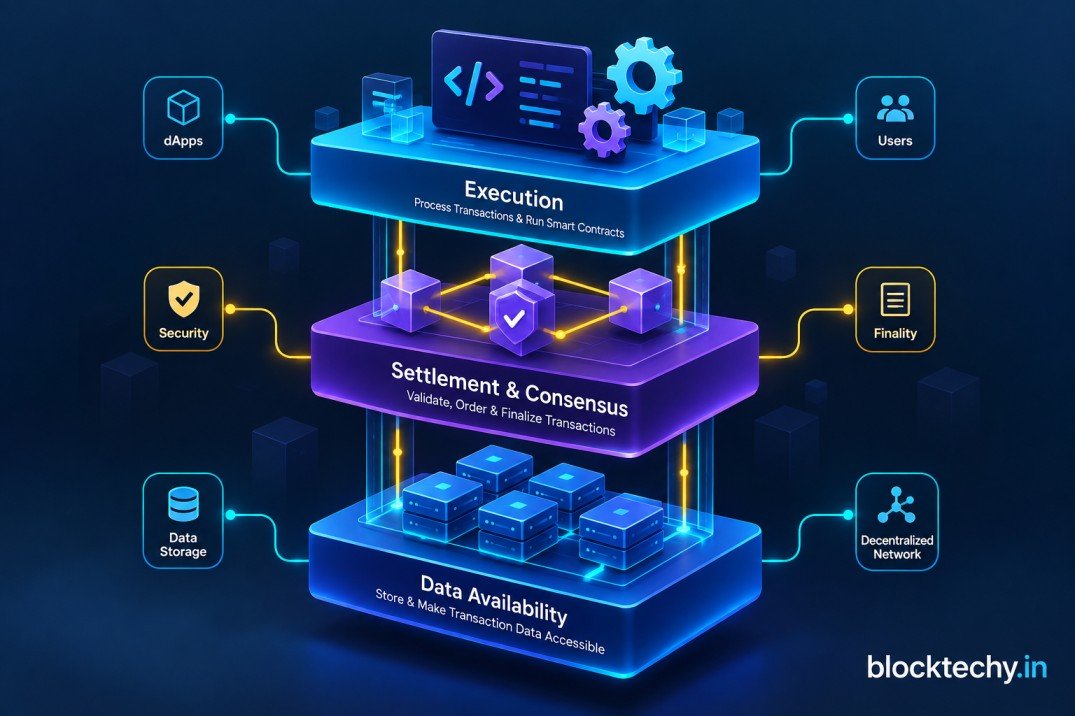
Modular Blockchains Explained: Why Blockchain Architecture Is Changing Blockchain technology is entering a new phase of development. The first generation of blockchains focused mainly on creating decentralized networks that could process transactions securely. Later, smart contract platforms expanded what blockchains could do, enabling decentralized finance (DeFi), NFTs, DAOs, gaming, and Web3 applications. However, as blockchain … Read more

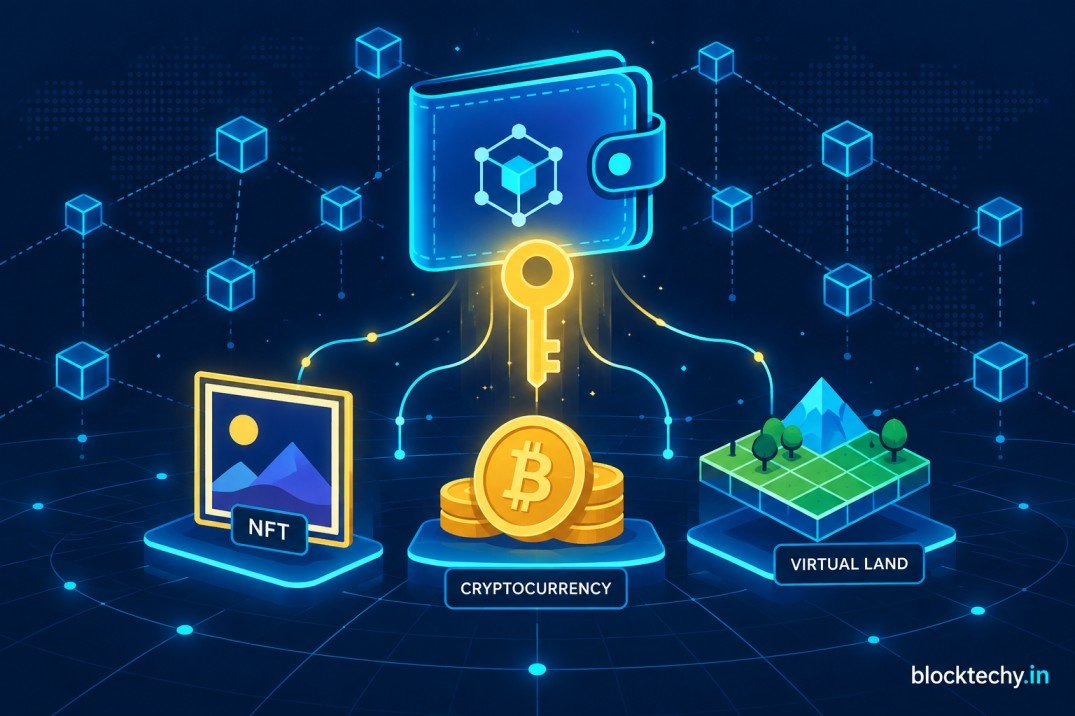
Digital Ownership in Web3: What Can You Really Own on the Internet?

Introduction The internet has transformed how we create, share, buy, and consume digital content. But for most of its history, digital ownership has been surprisingly limited. When you purchase a digital game, subscribe to a platform, buy an in-game item, or create an online profile, you often receive permission to use something rather than true … Read more

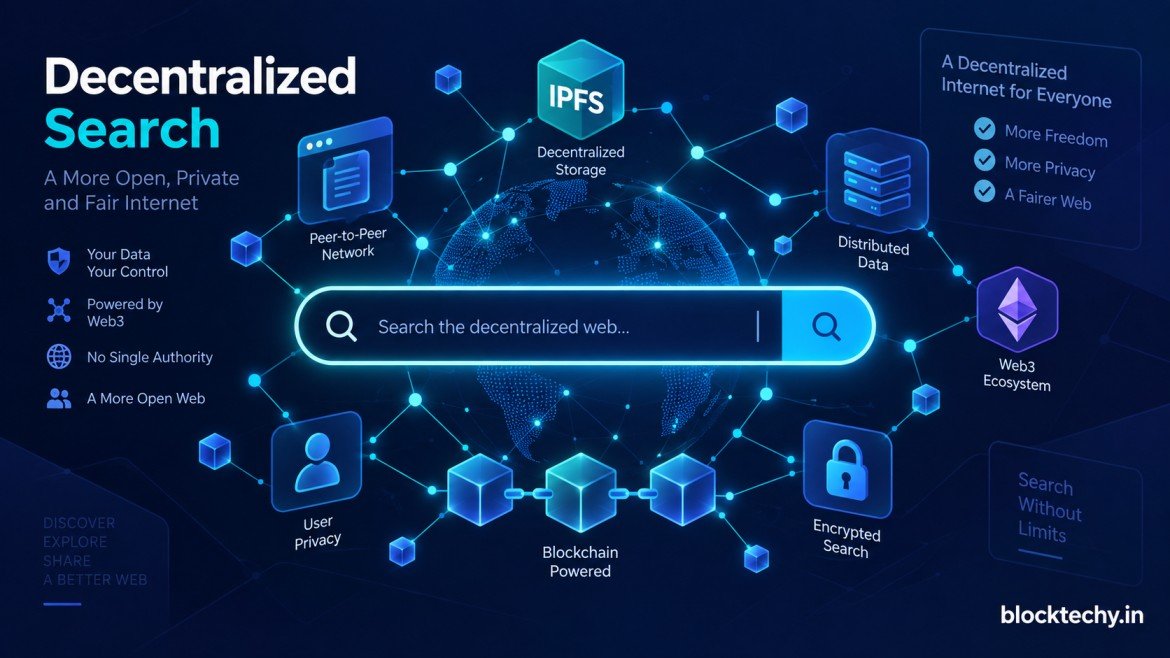
Decentralized Search Engines: Could Web3 Change How We Search the Internet?

Introduction Search engines have become one of the most important gateways to the internet. Whether we are looking for a news article, watching a tutorial, researching a product, finding a location, or learning about a new technology, search engines help us discover information within seconds. For years, traditional search engines have dominated this process. They … Read more

Social Recovery Wallets Explained: A Safer Way to Recover Crypto Wallets

Introduction Losing access to a cryptocurrency wallet can be a frightening experience. Unlike traditional bank accounts, many crypto wallets do not have a central company that can simply reset your password or restore your account. If a user loses their recovery phrase or private key, access to the assets stored in the wallet may be … Read more

Creator-Owned Communities: How Web3 Is Changing Online Communities

Introduction For years, online communities have lived inside platforms controlled by large technology companies. Whether it is a Facebook group, a Discord server, a Reddit community, or a creator’s audience on social media, the platform typically owns the infrastructure, controls the rules, manages user accounts, and determines how data and revenue are handled. Creators may … Read more

Web3 and User-Owned Data: What Does Data Ownership Really Mean?

Introduction The internet has always been built around data. Every search, purchase, social media interaction, online payment, app login, and digital transaction creates information. For years, most users have accepted that their data is collected and stored by the companies providing online services. We click “Accept,” create an account, and continue using the platform without … Read more

Blockchain and Cybersecurity: Building a Safer Digital Future

Introduction As the world becomes increasingly digital, cybersecurity has emerged as one of the most critical challenges facing individuals, businesses, and governments. Every day, millions of cyberattacks target sensitive information, financial systems, healthcare records, and critical infrastructure. Traditional cybersecurity solutions, while effective to some extent, often struggle to keep pace with the growing sophistication of … Read more

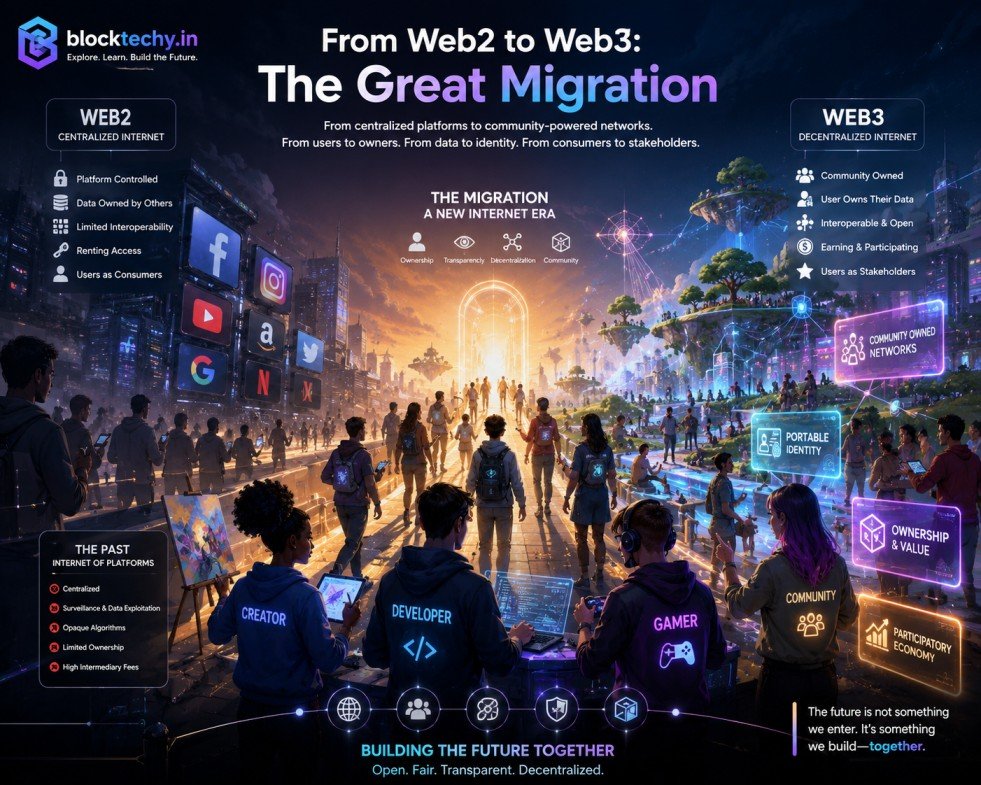
From Web2 to Web3: The Great Migration

Introduction The internet has never stood still. It has continuously evolved, transforming how people communicate, work, shop, learn, and build businesses. From static web pages in the early days of the internet to social media-driven ecosystems dominated by technology giants, each phase has reshaped digital life in profound ways. Today, another transformation is underway—one that … Read more

AI Meets Web3: The Next Tech Supercycle

Introduction Every decade or so, a technological wave reshapes the global economy. The internet transformed communication, smartphones redefined connectivity, and cloud computing changed how businesses scale. Today, two groundbreaking innovations—Artificial Intelligence (AI) and Web3—are converging to potentially create the next major technology supercycle. AI is making machines smarter, enabling automation, predictive intelligence, and human-like interaction. … Read more