Introduction
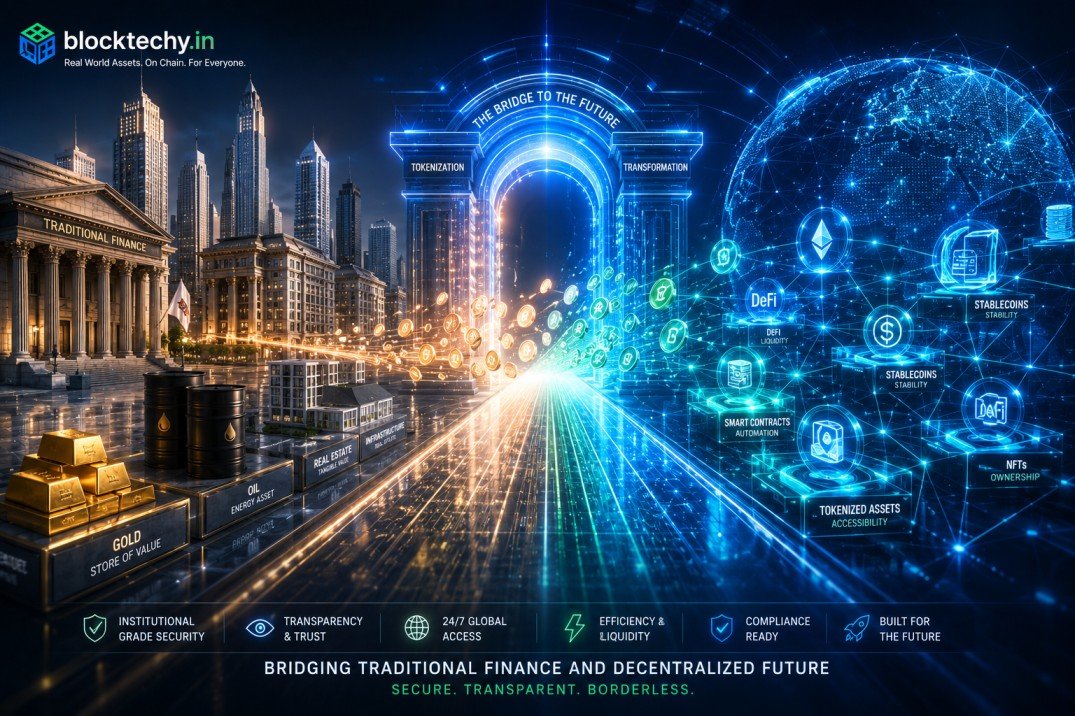
The financial world is undergoing one of the most significant transformations since the advent of digital banking. At the center of this revolution is Real-World Asset (RWA) Tokenization, a blockchain-powered innovation that is reshaping how assets are owned, traded, and managed. From real estate and government bonds to commodities and private equity, tokenization is bringing traditional financial assets onto blockchain networks, creating a more efficient, transparent, and accessible financial ecosystem.
Many experts believe that RWA tokenization could unlock trillions of dollars in previously illiquid assets and bridge the gap between traditional finance (TradFi) and decentralized finance (DeFi). As institutional investors, banks, and governments increasingly explore blockchain-based financial infrastructure, tokenization is rapidly moving from an experimental concept to a mainstream financial trend.
This article explores what RWA tokenization is, how it works, its benefits, challenges, and why it is poised to transform global finance in the coming years.
What Is RWA Tokenization?
Real-World Asset tokenization refers to the process of converting ownership rights of physical or traditional financial assets into digital tokens on a blockchain.
These tokens represent a share or ownership stake in an underlying asset and can be bought, sold, or transferred digitally.
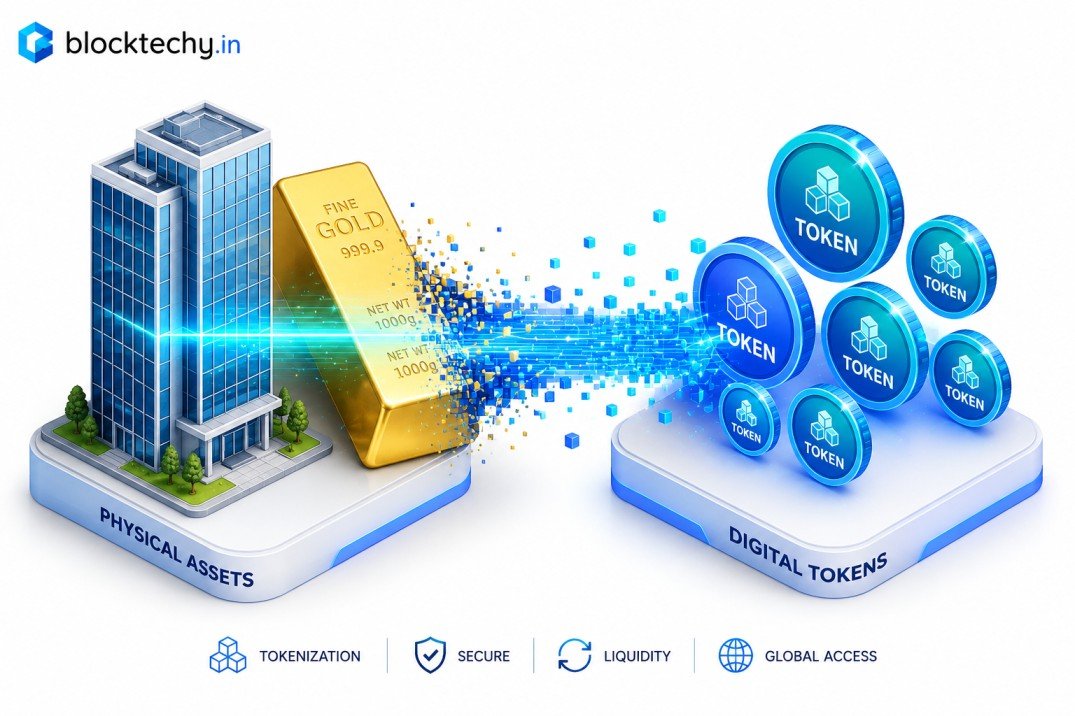
Examples of assets that can be tokenized include:
- Real estate properties
- Government bonds
- Corporate bonds
- Stocks and equities
- Gold and precious metals
- Fine art and collectibles
- Infrastructure projects
- Private credit and loans
- Intellectual property rights
For example, instead of purchasing an entire commercial property worth $10 million, investors can buy fractional ownership through blockchain-based tokens representing portions of the property.
This process makes traditionally expensive and illiquid assets more accessible to a wider range of investors.
How RWA Tokenization Works
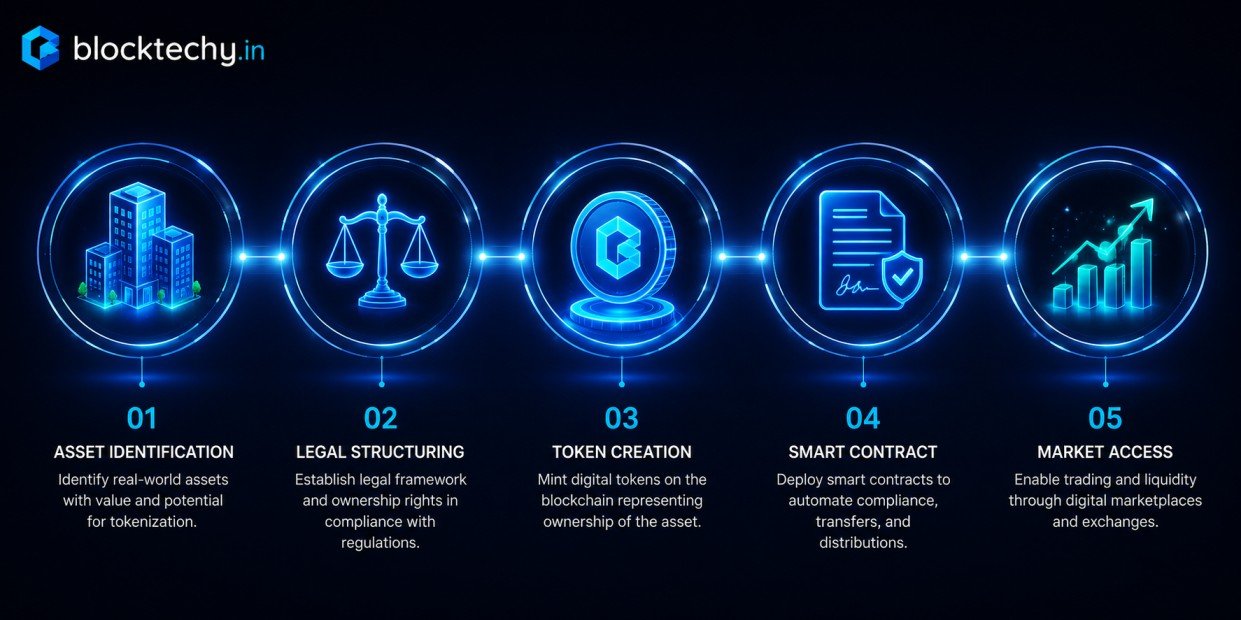
The tokenization process typically follows several key steps:
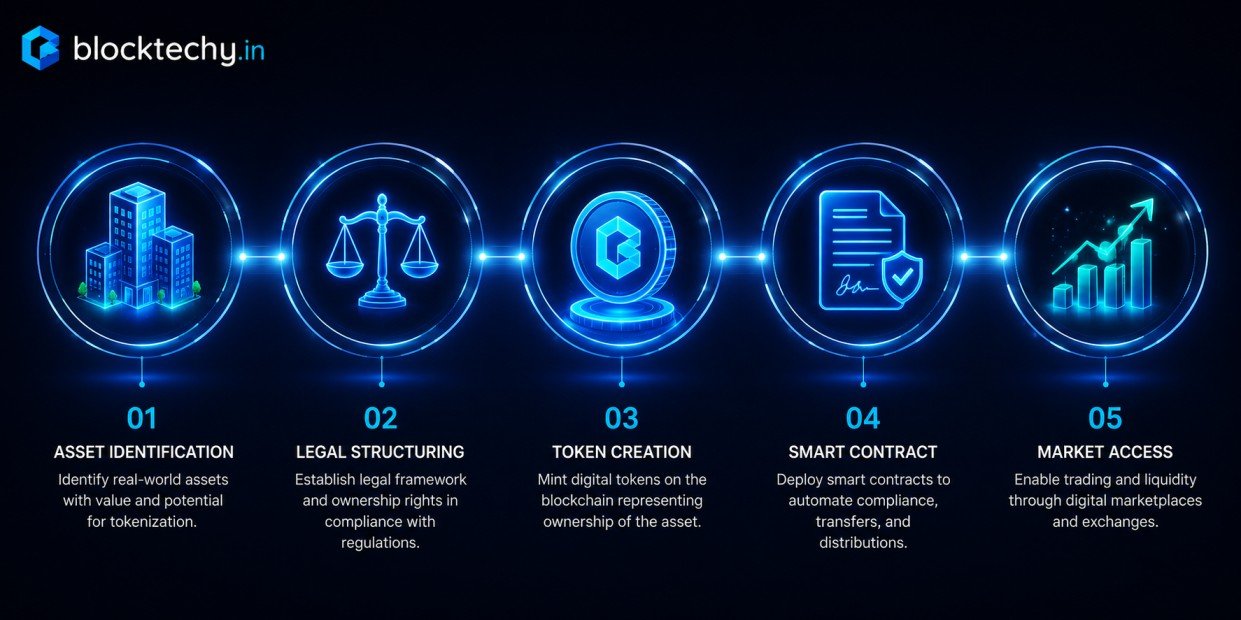
1. Asset Identification
A physical or financial asset is selected for tokenization. This could be a building, bond, commodity, or other investment vehicle.
2. Legal Structuring
wnership rights are legally linked to digital tokens through regulatory-compliant frameworks and smart contracts.
3. Token Creation
Blockchain-based tokens are issued to represent ownership shares in the asset.
4. Smart Contract Integration
Smart contracts automate functions such as:
- Ownership transfers
- Dividend payments
- Interest distributions
- Compliance checks
- Voting rights
5. Secondary Market Trading
Investors can trade tokenized assets on approved digital marketplaces, increasing liquidity and market efficiency.
This streamlined approach reduces administrative overhead while improving transparency and security.
Why Traditional Finance Is Embracing Tokenization
For decades, financial markets have faced inefficiencies that increase costs and limit accessibility.
Traditional asset management often involves:
- Multiple intermediaries
- Lengthy settlement periods
- High transaction fees
- Limited market access
- Geographic restrictions
- Lack of transparency
Blockchain technology addresses many of these challenges.
By creating a shared, immutable ledger, tokenization enables assets to move more efficiently between parties while maintaining a transparent ownership history.
Financial institutions increasingly recognize that blockchain infrastructure can significantly reduce operational costs and improve capital efficiency.
As a result, major banks, investment firms, and asset managers are actively investing in tokenization initiatives.
Key Benefits of RWA Tokenization
Increased Liquidity
Many real-world assets are traditionally difficult to sell quickly.
Commercial real estate, private equity, and fine art often require months or years to find buyers.
Tokenization allows these assets to be divided into smaller fractions and traded more easily on digital marketplaces.
This creates liquidity in markets that have historically been illiquid.
Fractional Ownership
One of the most transformative aspects of tokenization is fractional ownership.
Instead of needing millions of dollars to invest in commercial property or private funds, investors can purchase smaller tokenized shares.
This democratizes access to investment opportunities previously reserved for institutional investors and high-net-worth individuals.
Faster Settlement
Traditional financial transactions often take several days to settle.
Blockchain networks can process transactions within minutes or even seconds, reducing counterparty risk and improving market efficiency.
Greater Transparency
Every transaction recorded on a blockchain can be verified and audited.
This transparency helps reduce fraud, improve trust, and simplify regulatory reporting.
Reduced Costs
Tokenization reduces reliance on intermediaries such as brokers, custodians, clearinghouses, and transfer agents.
Lower operational costs can lead to more efficient markets and improved returns for investors.
Global Accessibility
Blockchain networks operate across borders, enabling investors from different countries to participate in global markets with fewer barriers.
This creates broader investment opportunities and deeper capital pools.
Real Estate Tokenization: A Game Changer
Real estate is one of the most promising applications of RWA tokenization.
Traditionally, property investment requires substantial capital, legal paperwork, and long holding periods.
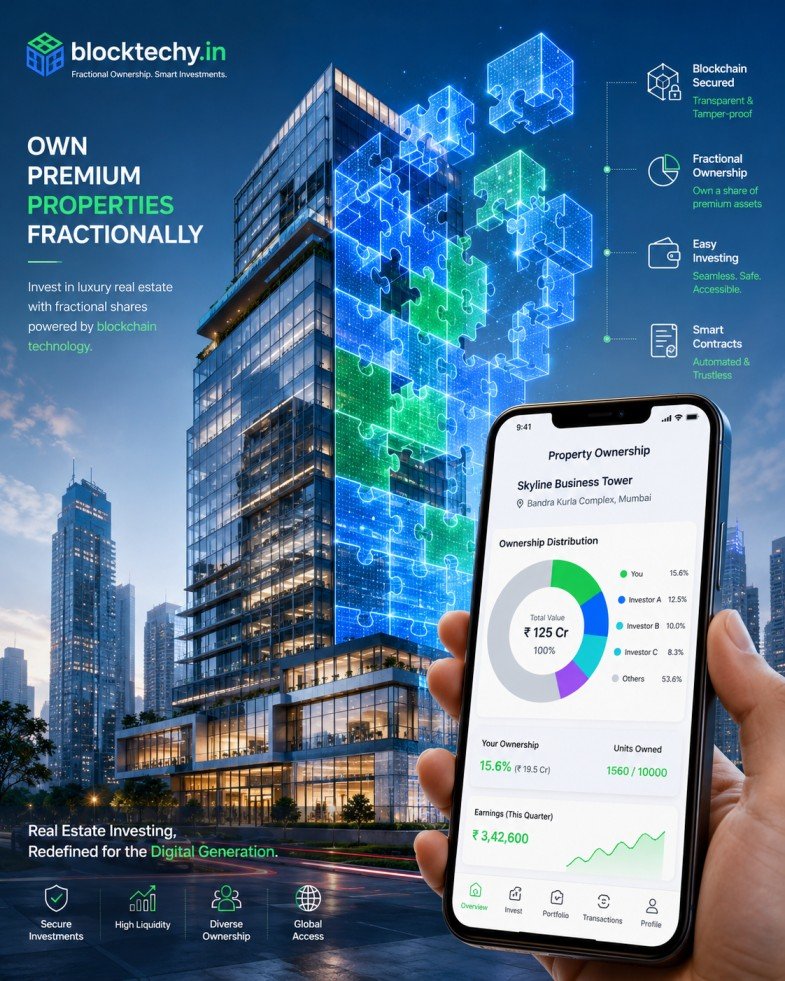
Tokenization changes this by enabling:
- Fractional property ownership
- Lower investment minimums
- Improved liquidity
- Global investor participation
- Automated rental income distribution
For example, a $20 million office building could be divided into 20 million digital tokens, allowing investors to purchase ownership stakes for as little as a few dollars.
This opens real estate investing to millions of people worldwide.
Tokenized Bonds and Fixed-Income Markets
Government and corporate bonds are also becoming major beneficiaries of tokenization.
Traditional bond markets involve complex issuance processes, multiple intermediaries, and delayed settlement.
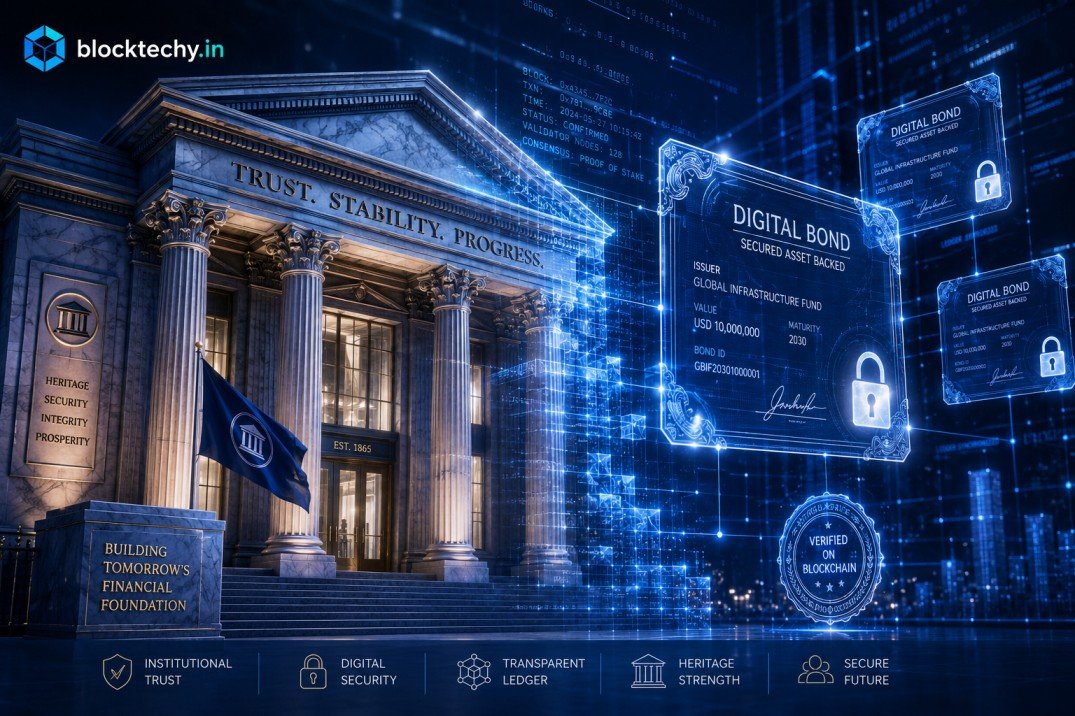
Tokenized bonds can:
- Reduce issuance costs
- Enable real-time settlement
- Improve transparency
- Increase investor access
- Simplify compliance procedures
Many financial institutions are already piloting tokenized bond programs as part of broader digital asset strategies.
The fixed-income market, worth hundreds of trillions of dollars globally, represents one of the largest opportunities for blockchain adoption.
The Rise of Institutional Adoption
Institutional participation is accelerating the growth of RWA tokenization.
Major financial organizations increasingly view tokenization as a long-term infrastructure upgrade rather than a speculative blockchain experiment.
Institutions are exploring tokenized versions of:
- Treasury securities
- Money market funds
- Corporate debt
- Real estate funds
- Private credit investments
The involvement of established financial players is helping legitimize the market and attract regulatory attention.
As compliance frameworks mature, institutional adoption is expected to drive significant growth in tokenized asset markets.
The Connection Between RWA and DeFi
One of the most exciting developments is the integration of real-world assets into decentralized finance.
Historically, DeFi ecosystems relied primarily on crypto-native assets.
RWA tokenization introduces stable and income-generating assets into blockchain-based financial systems.
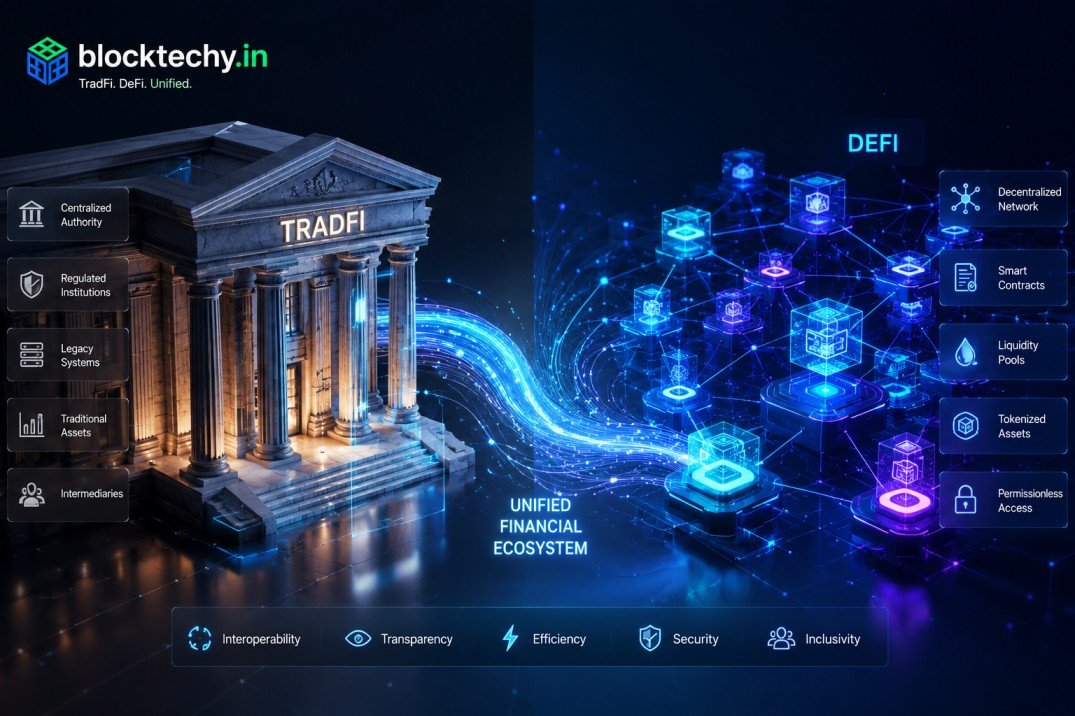
Benefits include:
- More stable collateral options
- Reduced volatility
- New lending opportunities
- Yield generation from real-world assets
- Increased participation from traditional investors
This convergence of TradFi and DeFi may create entirely new financial products and services.
Challenges Facing RWA Tokenization
Despite its enormous potential, tokenization still faces several obstacles.
Regulatory Uncertainty
Different countries have varying regulations regarding digital assets and securities.
Clear legal frameworks are essential for widespread adoption.
Asset Verification
Ensuring that tokenized assets accurately represent underlying ownership rights remains critical.
Robust legal and auditing procedures are necessary.
Technology Risks
Smart contract vulnerabilities, cybersecurity threats, and blockchain scalability issues must be addressed.
Market Infrastructure
Tokenized assets require regulated exchanges, custodians, and compliance solutions to support institutional participation.
Investor Education
Many investors still lack understanding of blockchain technology and tokenized assets.
Education will play a crucial role in driving adoption.
The Future of Tokenized Finance
Industry analysts predict substantial growth in tokenized asset markets over the next decade.
As blockchain infrastructure matures and regulatory clarity improves, tokenization may become a standard component of global financial systems.
Future developments could include:
- Fully tokenized securities markets
- 24/7 global asset trading
- Instant cross-border settlements
- Automated compliance systems
- Expanded access to private markets
- Integration with central bank digital currencies (CBDCs)
What began as a blockchain innovation may ultimately reshape the fundamental architecture of modern finance.
Conclusion
Real-World Asset tokenization represents a major evolution in the financial industry. By bringing traditional assets onto blockchain networks, tokenization enhances liquidity, transparency, accessibility, and efficiency.
From real estate and bonds to private credit and commodities, virtually every asset class has the potential to benefit from tokenization. As institutional investors, regulators, and technology providers continue to build supporting infrastructure, the market is likely to experience significant expansion.
While challenges remain, the momentum behind RWA tokenization is undeniable. The technology is not simply improving existing financial processes—it is redefining how ownership, investment, and value transfer work in a digital economy.
For investors, businesses, and financial institutions, understanding RWA tokenization today may provide a critical advantage in navigating the future of global finance.
Follow this link to join my WhatsApp group:
https://chat.whatsapp.com/JvmrMTxkdgt9u6kGMT73XY
It was very amazing I was so excited about this!!!!!