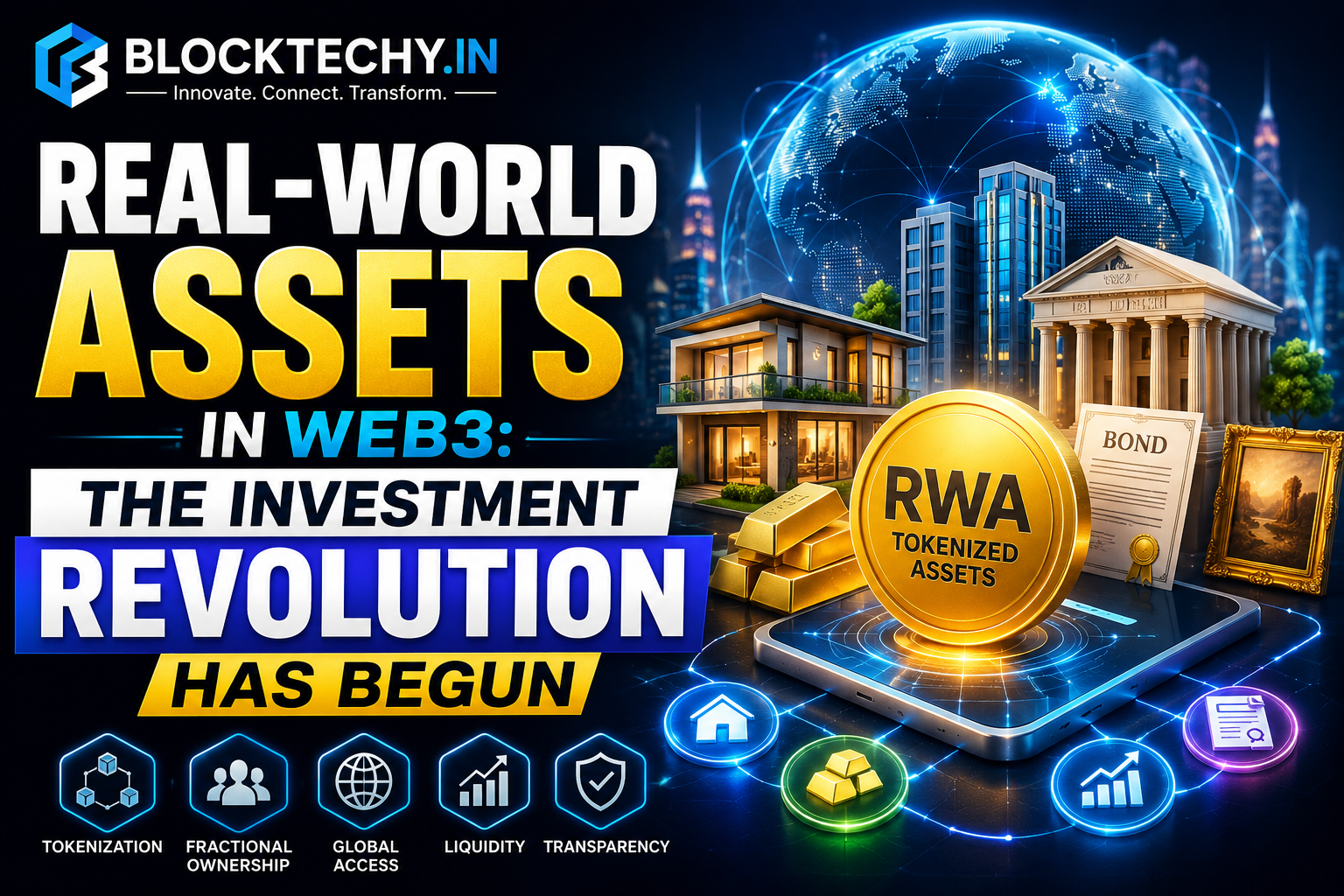
The world of finance is undergoing a major transformation, and one of the most exciting developments leading this change is the rise of Real-World Assets (RWAs) in Web3. For years, blockchain technology was primarily associated with cryptocurrencies like Bitcoin and Ethereum, decentralized finance (DeFi), and digital collectibles such as NFTs. But now, the focus is shifting toward something with even broader real-world impact: bringing traditional assets onto the blockchain.
From real estate and government bonds to commodities and private credit, real-world asset tokenization is redefining how people invest, trade, and build wealth. What once required large amounts of capital, complex legal processes, and access to exclusive financial networks is becoming more accessible through blockchain innovation.
This is not just another crypto trend—it represents a fundamental shift in global investing.
What Are Real-World Assets (RWAs) in Web3?
Real-world assets are physical or traditional financial assets that exist outside the blockchain ecosystem but are represented digitally on a blockchain through tokenization.
In simple terms, tokenization means converting ownership rights of an asset into digital tokens that can be bought, sold, transferred, or held on a blockchain network.
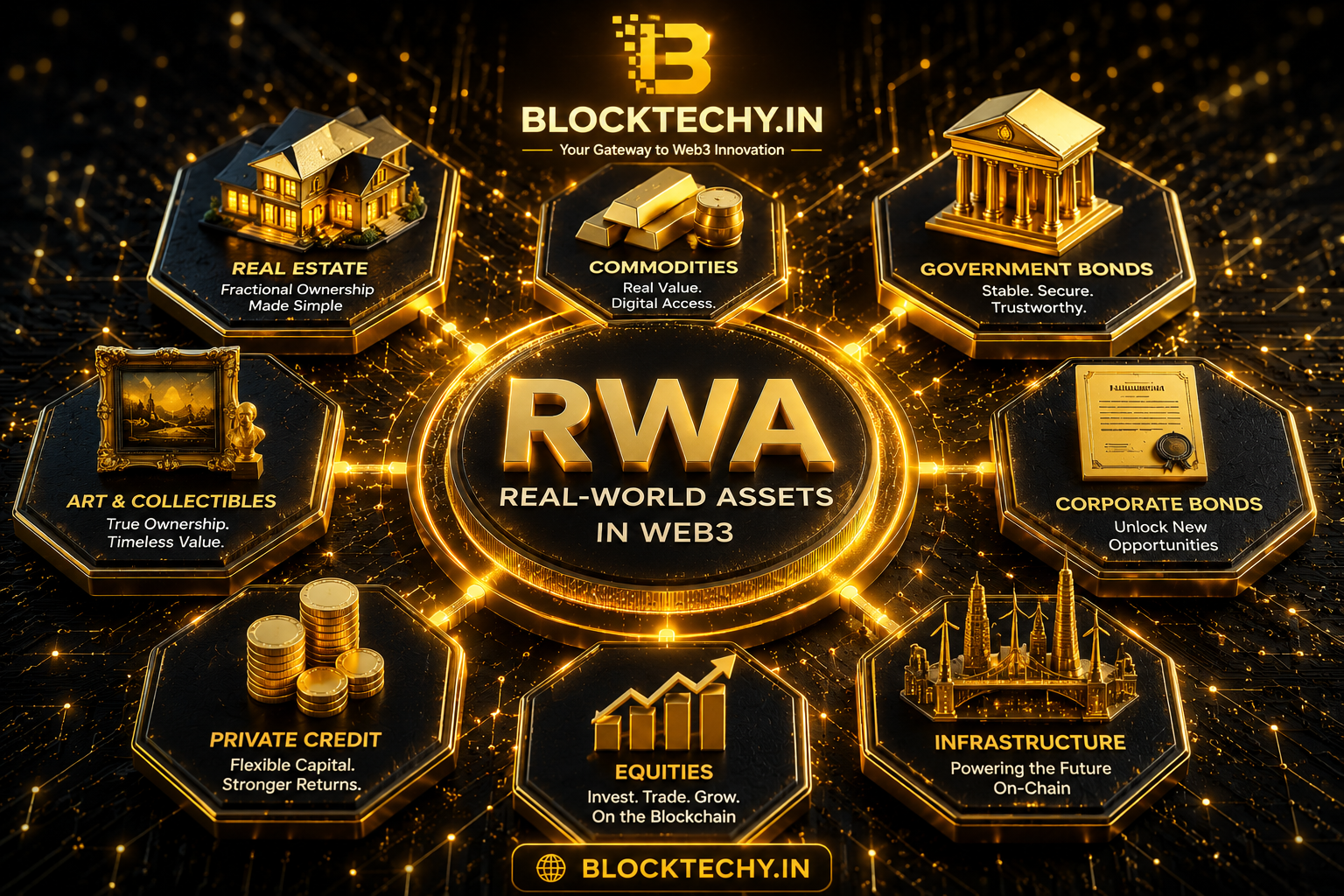
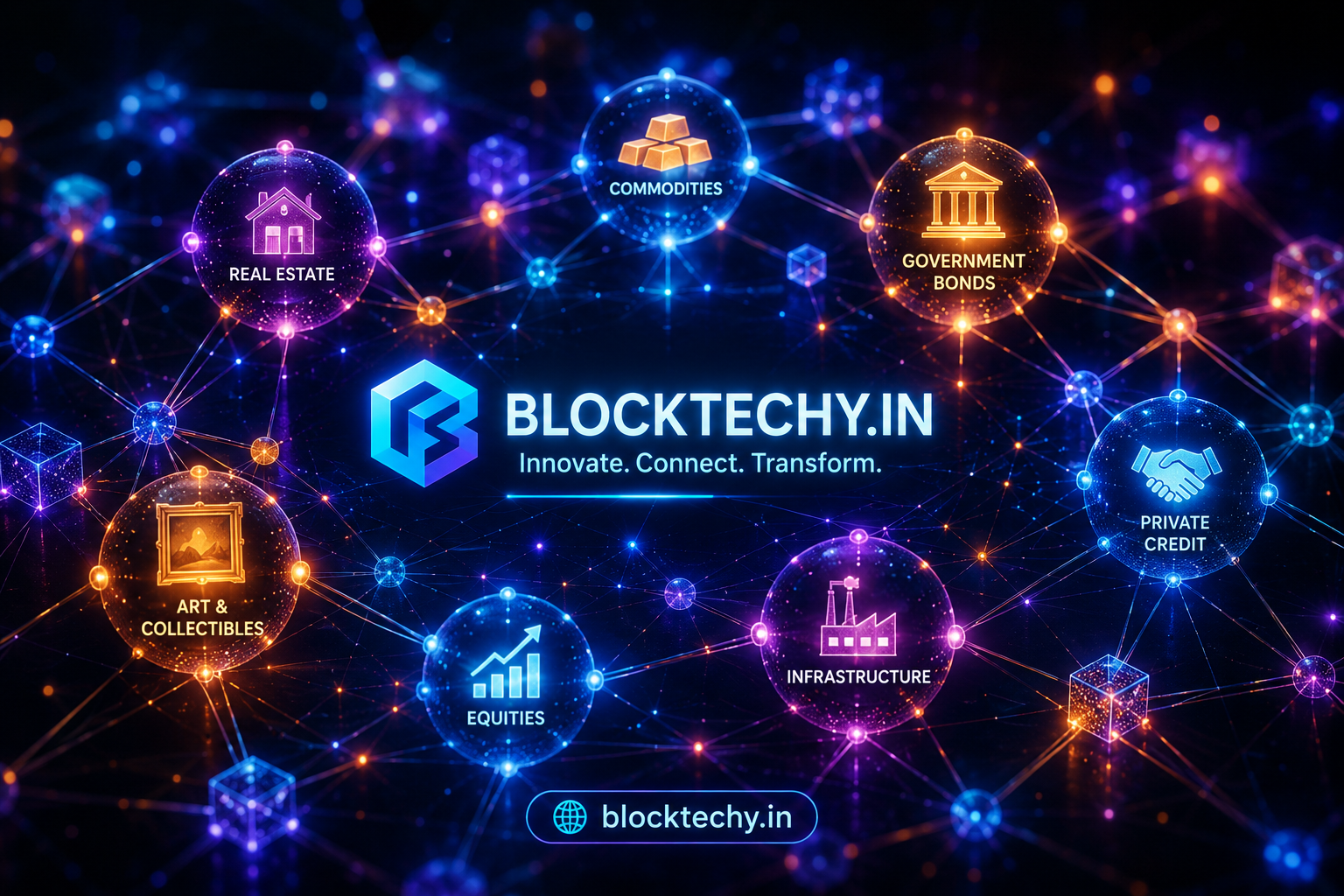
Examples of real-world assets include:
- Real estate properties
- Government bonds
- Treasury bills
- Gold and precious metals
- Private credit
- Art and collectibles
- Stocks and securities
- Commodities
- Infrastructure assets
For example, instead of needing $500,000 to invest in a commercial property, tokenization could allow investors to buy fractional ownership for as little as $100. Each token would represent a share of that property.
This changes the investment game dramatically.
Why RWAs Matter in Web3
The Web3 ecosystem has often been criticized for being disconnected from practical real-world use cases. Meme coins and speculative tokens may attract attention, but long-term adoption depends on real utility.
RWAs provide exactly that.
They create a bridge between traditional finance and decentralized technology by combining blockchain’s efficiency with the stability and value of tangible assets.
Here’s why this matters:
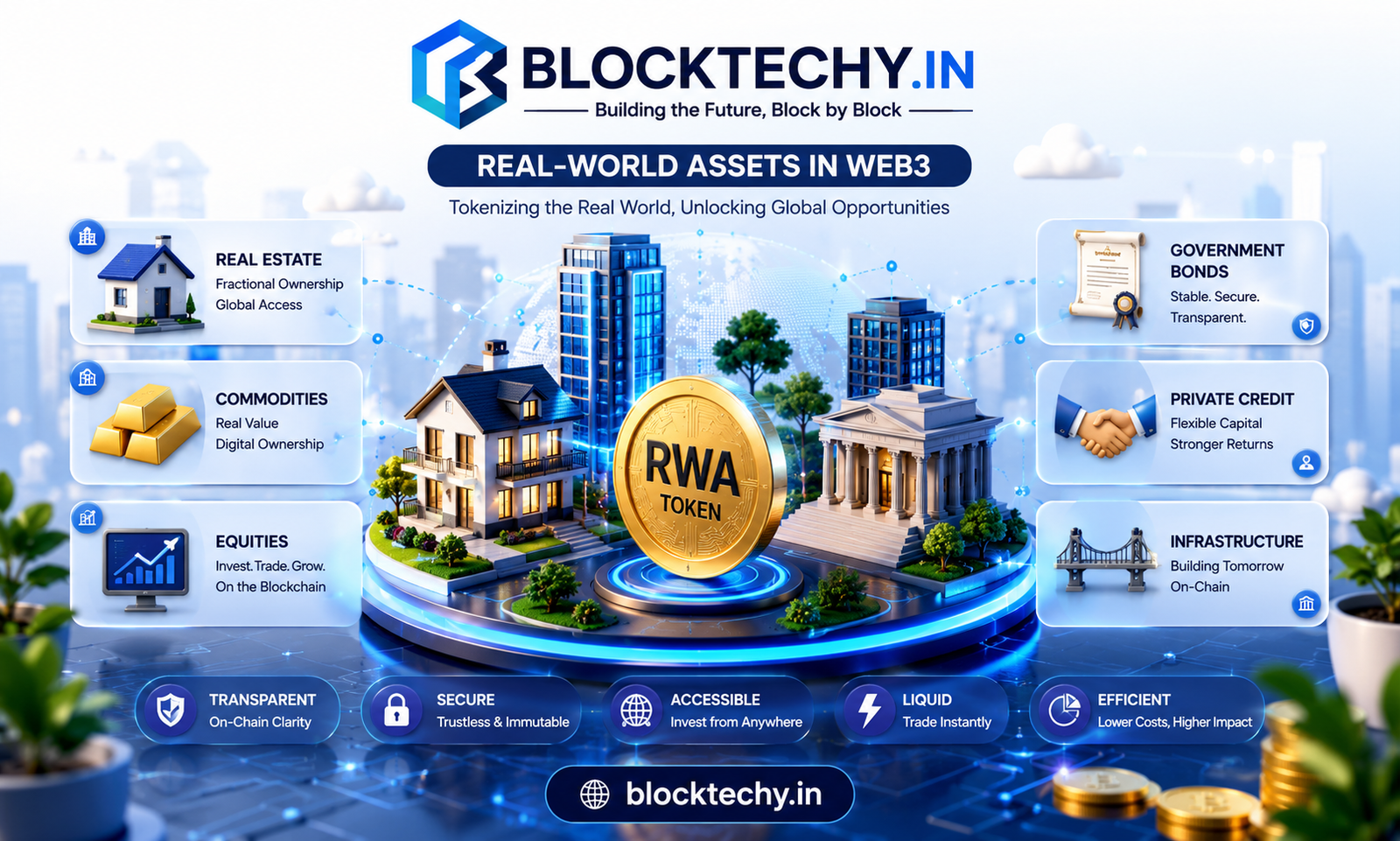
1. Greater Accessibility
Traditional investments are often limited to wealthy individuals or institutional investors.
Examples:
- Private equity often requires high minimum investments
- Commercial real estate is expensive
- Bond markets can be difficult for retail investors to access
Tokenized RWAs reduce these barriers through fractional ownership.
This allows:
- Small investors to participate
- Global access to investment opportunities
- More inclusive financial participation
Web3 turns previously exclusive assets into accessible digital opportunities.
2. Improved Liquidity
Many traditional assets are illiquid.
Selling a property can take months. Private credit investments may lock funds for years. Fine art can be difficult to trade efficiently.
Tokenization improves liquidity because digital tokens can potentially be traded faster on blockchain-based marketplaces.
Benefits include:
- Faster transactions
- Reduced paperwork
- More flexible exit options
- 24/7 market accessibility
Liquidity has always been one of traditional finance’s biggest challenges, and blockchain offers a practical solution.
3. Transparency and Trust
Blockchain technology provides transparent transaction records.
Every transfer can be recorded on-chain, creating visibility that traditional systems often lack.
Advantages:
- Easier ownership verification
- Reduced fraud risks
- Better auditability
- Improved transaction transparency
For investors, transparency increases confidence.
4. Faster Settlement
Traditional financial systems can be slow.
Cross-border settlements, banking approvals, legal verification, and intermediaries often create delays.
Blockchain can significantly reduce settlement time by enabling near-instant transfers depending on the infrastructure used.
This means:
- Faster capital movement
- Better efficiency
- Lower operational friction
Speed matters in modern finance.
Types of Real-World Assets Being Tokenized
RWA tokenization is expanding rapidly across multiple sectors.
Real Estate
Real estate is one of the most obvious use cases.
Traditional real estate investing comes with major barriers:
- High capital requirements
- Legal complexity
- Geographic restrictions
- Low liquidity
Tokenization changes this by allowing fractional ownership.
Potential benefits:
- Lower entry cost
- Easier diversification
- Faster transfer of ownership interests
- Global investor participation
A retail investor in one country could theoretically gain exposure to property assets in another.
Government Bonds and Treasury Products
Tokenized government debt products are gaining attention because they combine relative stability with blockchain accessibility.
Why investors like them:
- Lower volatility compared to crypto assets
- Yield generation
- Familiar financial structure
- Institutional credibility
This category has become one of the fastest-growing areas in Web3 finance.
Gold and Commodities
Precious metals have long been considered safe-haven investments.
Tokenized commodities offer:
- Easier ownership
- Digital portability
- Simplified trading
- Fractional access
Instead of dealing with physical storage and logistics, investors can gain digital exposure.
Private Credit
Private credit markets have traditionally been difficult for retail investors to enter.
Web3 platforms are beginning to tokenize:
- Corporate debt
- Invoice financing
- Lending instruments
- Yield-generating credit products
This opens previously restricted opportunities to broader audiences.
How RWA Tokenization Works
The process typically follows several steps:
Step 1: Asset Identification
A real-world asset is selected.
Example:
- Apartment building
- Treasury bond
- Gold reserve
Step 2: Legal Structuring
Ownership rights must be clearly defined.
This is crucial because blockchain tokens must correspond to legitimate legal claims.
Without proper legal frameworks, tokens may have unclear enforceability.
Step 3: Token Creation
Digital tokens are issued on a blockchain.
Each token may represent:
- Full ownership
- Fractional ownership
- Revenue rights
- Yield claims
Step 4: Distribution
Tokens are sold or distributed to investors.
This may happen through:
- Tokenized marketplaces
- Regulated investment platforms
- Private offerings
Step 5: Trading and Management
Investors can hold, trade, or potentially earn income depending on the asset model.
Challenges and Risks
Despite the excitement, RWAs are not risk-free.
Regulatory Uncertainty
Financial regulations differ by country.
Questions include:
- Are tokens securities?
- How should compliance work?
- What investor protections apply?
Regulatory clarity remains essential.
Legal Complexity
Owning a token does not automatically guarantee enforceable ownership rights.
Legal structures must align with blockchain representations.
This area requires careful due diligence.
Custody Risk
Some assets require trusted custodians.
Examples:
- Physical gold storage
- Real estate title management
- Document verification
If off-chain custody fails, token holders may face issues.
Liquidity May Still Be Limited
Tokenization improves liquidity potential, but active markets are still developing.
Not every tokenized asset will have strong trading demand.
Smart Contract Risk
Blockchain systems rely on code.
Security vulnerabilities can expose investors to losses.
Why Institutions Are Paying Attention
Large financial institutions are increasingly exploring tokenization because the operational benefits are compelling.
Institutional motivations include:
- Reduced settlement costs
- Operational efficiency
- Better transparency
- Programmable financial infrastructure
- New revenue opportunities
This institutional interest adds legitimacy to the RWA narrative.
The Future of RWA Investing
The tokenization of real-world assets could fundamentally reshape global finance.
Potential future developments:
- Tokenized stock markets
- On-chain bond trading
- Global property marketplaces
- Automated yield distribution
- Integrated DeFi + traditional finance ecosystems
As infrastructure improves, investing may become:
- More efficient
- More accessible
- More global
- More transparent
The line between traditional finance and Web3 may continue to blur.
Final Thoughts
Real-world assets in Web3 represent one of the most practical and transformative innovations in blockchain technology.
Unlike purely speculative crypto narratives, RWAs connect digital infrastructure with tangible economic value.
They promise:
- Broader access to investments
- Fractional ownership
- Improved liquidity
- Faster transactions
- Greater transparency
Challenges remain—especially around regulation, legal clarity, and infrastructure maturity—but the momentum is undeniable.
The investment revolution may not happen overnight, but it has clearly begun.
For investors, builders, and institutions alike, RWAs could become one of the defining stories of the next era of Web3.
Follow this link to join my WhatsApp group: https://chat.whatsapp.com/JvmrMTxkdgt9u6kGMT73XY
A well-written overview of how RWAs are reshaping the investment landscape. The ability to bring tangible assets on-chain is creating new opportunities for liquidity, accessibility, and efficiency. This is one of the strongest real-world use cases for blockchain technology.
The future of finance may not be fully decentralized or fully traditional—it could be a blend of both. Real-world assets are proving that blockchain’s greatest impact comes when it enhances existing markets rather than replacing them. Great perspective on this emerging revolution.
RWAs are quickly becoming one of the most compelling sectors in Web3. By tokenizing assets like real estate, bonds, and commodities, we’re opening investment opportunities to a much broader audience. Exciting times ahead for both retail and institutional investors.
This is exactly why I believe the next wave of Web3 adoption will come from utility, not speculation. RWAs bring real value, real yield, and real demand to blockchain ecosystems. Great read!
Great article. The tokenization of real-world assets is creating a bridge between traditional finance and Web3, making investments more accessible, transparent, and efficient. Looking forward to seeing how this space evolves over the coming years.
Thanks, bro! Glad you found it useful. Always exciting to discuss new tech and innovations.