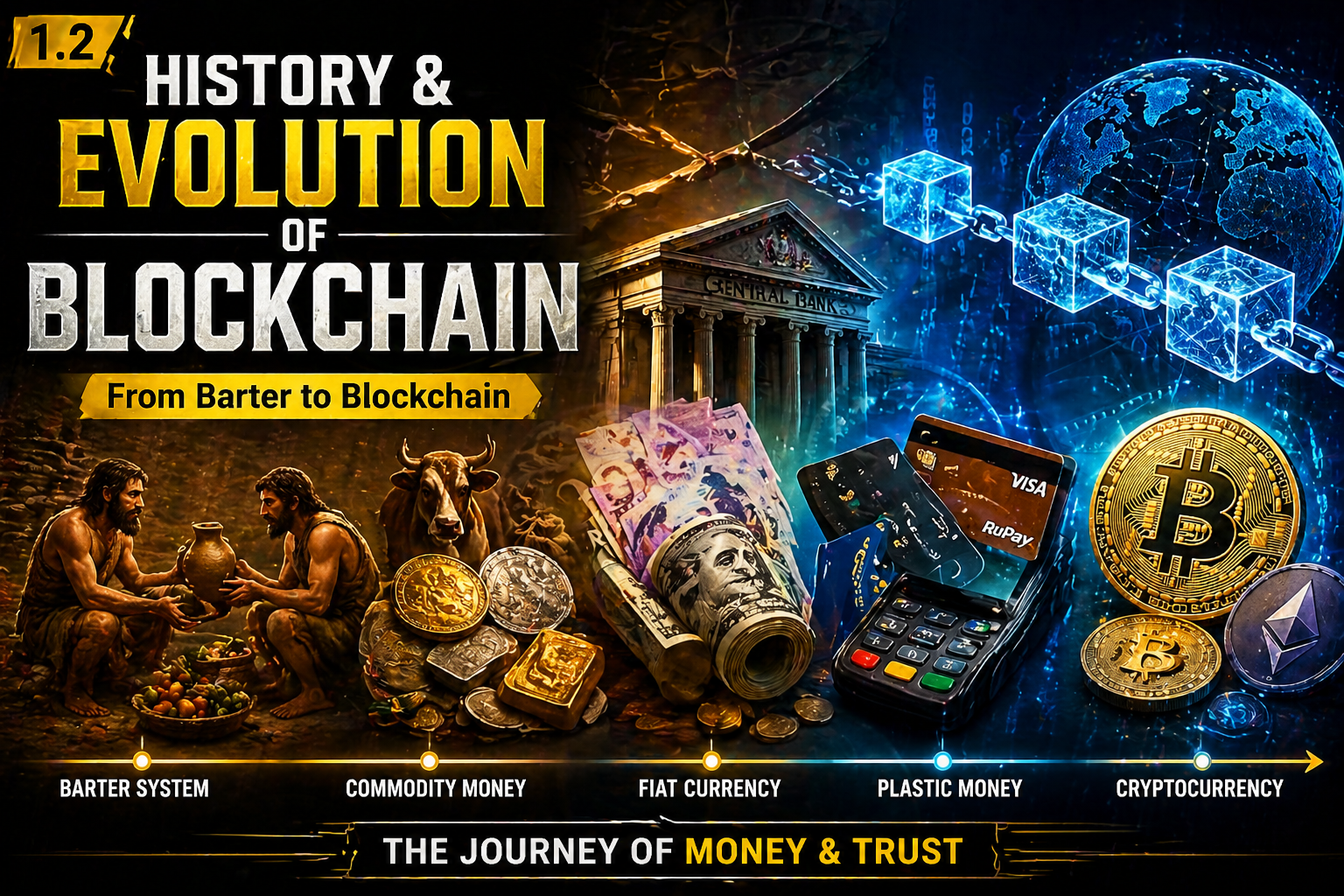
Blockchain technology did not emerge overnight as a sudden innovation. Instead, it is the result of a long and gradual evolution in how humans exchange value, maintain trust, and record transactions. From primitive barter systems to modern digital currencies, every stage in this journey addressed the limitations of the previous one. Understanding this progression helps us clearly see why blockchain is such a transformative technology today.
1. Barter System
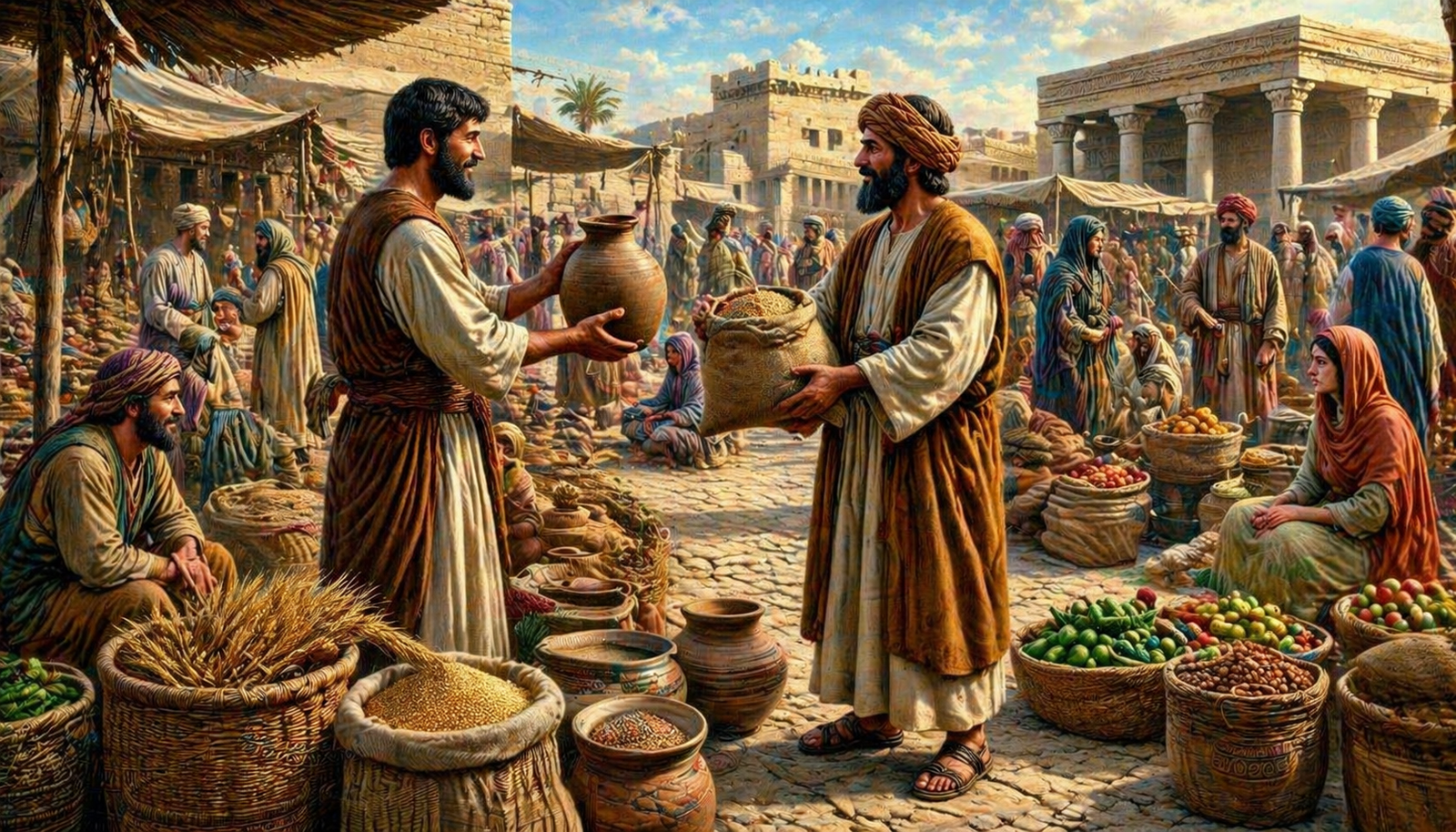
The barter system is the earliest known method of exchange in human history. It involved the direct exchange of goods and services without the use of money.
In ancient civilizations, people produced goods based on their skills and traded surplus items for what they needed. For instance, a farmer who grew wheat might exchange it with a potter who made clay pots. This system worked well in small communities where people knew each other and had limited needs.
However, the barter system had significant limitations. One major issue was the lack of a common measure of value. There was no standard way to determine how much one good was worth in terms of another. For example, how many pots should equal 10 kg of wheat? This made fair exchanges difficult.
Another critical problem was the double coincidence of wants. For a trade to happen, both parties had to want exactly what the other offered at the same time. If the farmer wanted shoes but the shoemaker didn’t need wheat, the trade would fail. These inefficiencies made barter impractical as societies grew larger and more complex.
2. Commodity Money
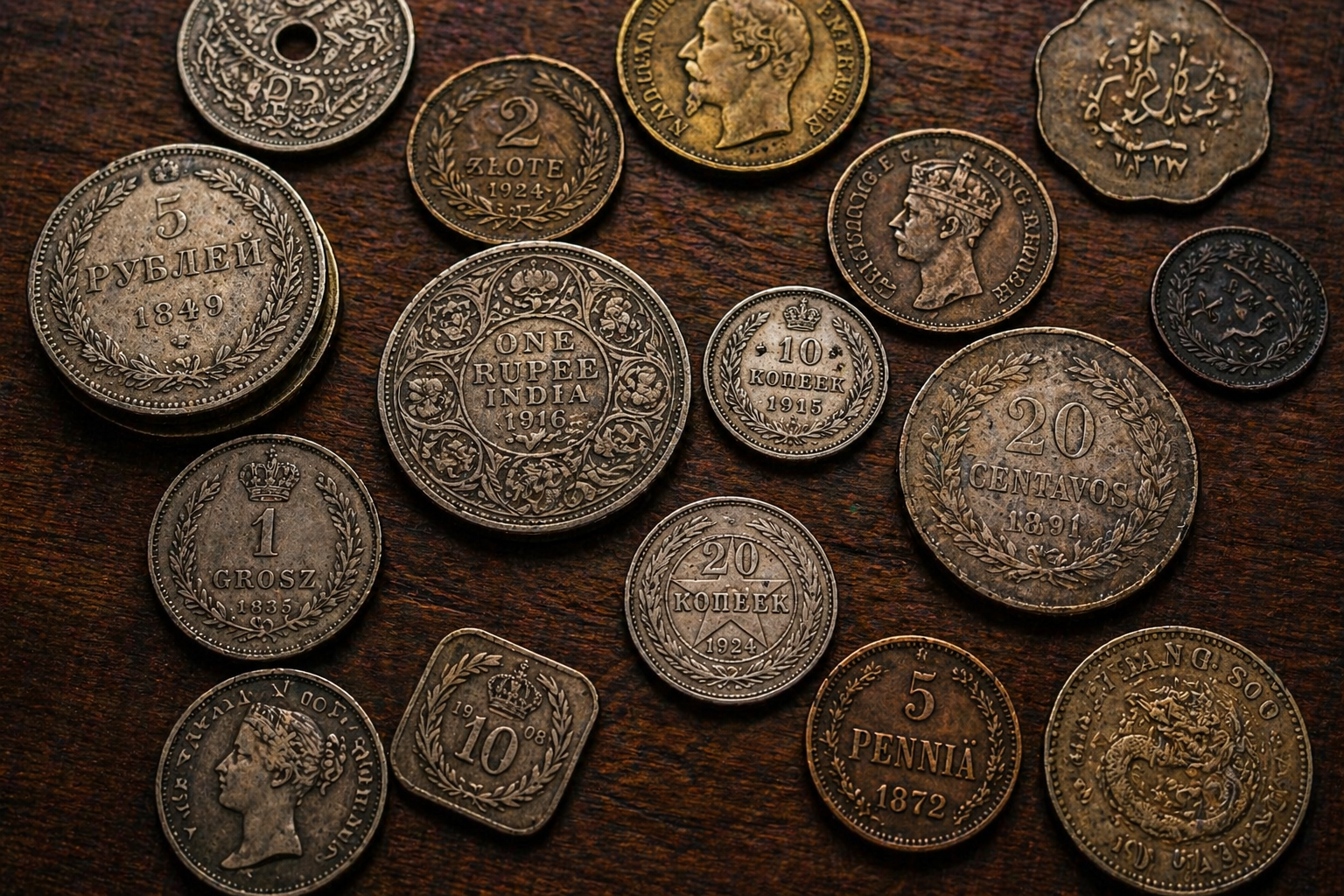
To overcome the limitations of barter, humans began using commodity money—items that had intrinsic value and were widely accepted.
Commodities like gold, silver, salt, and even cattle became mediums of exchange. These items were valuable in themselves and could be used beyond trade. For example, gold could be made into jewelry, and salt was essential for food preservation.
Commodity money solved some of the problems of barter. It introduced a common measure of value, making transactions easier and more standardized. It also removed the need for double coincidence of wants, as people could trade goods for commodities and later use those commodities to buy other goods.
However, commodity money also had drawbacks. It was often difficult to carry and store, especially in large quantities. Transporting gold or cattle was not convenient. Additionally, the quality and purity of commodities could vary, leading to disputes. For example, not all gold coins had the same purity, which affected their value.
3. Fiat Currency
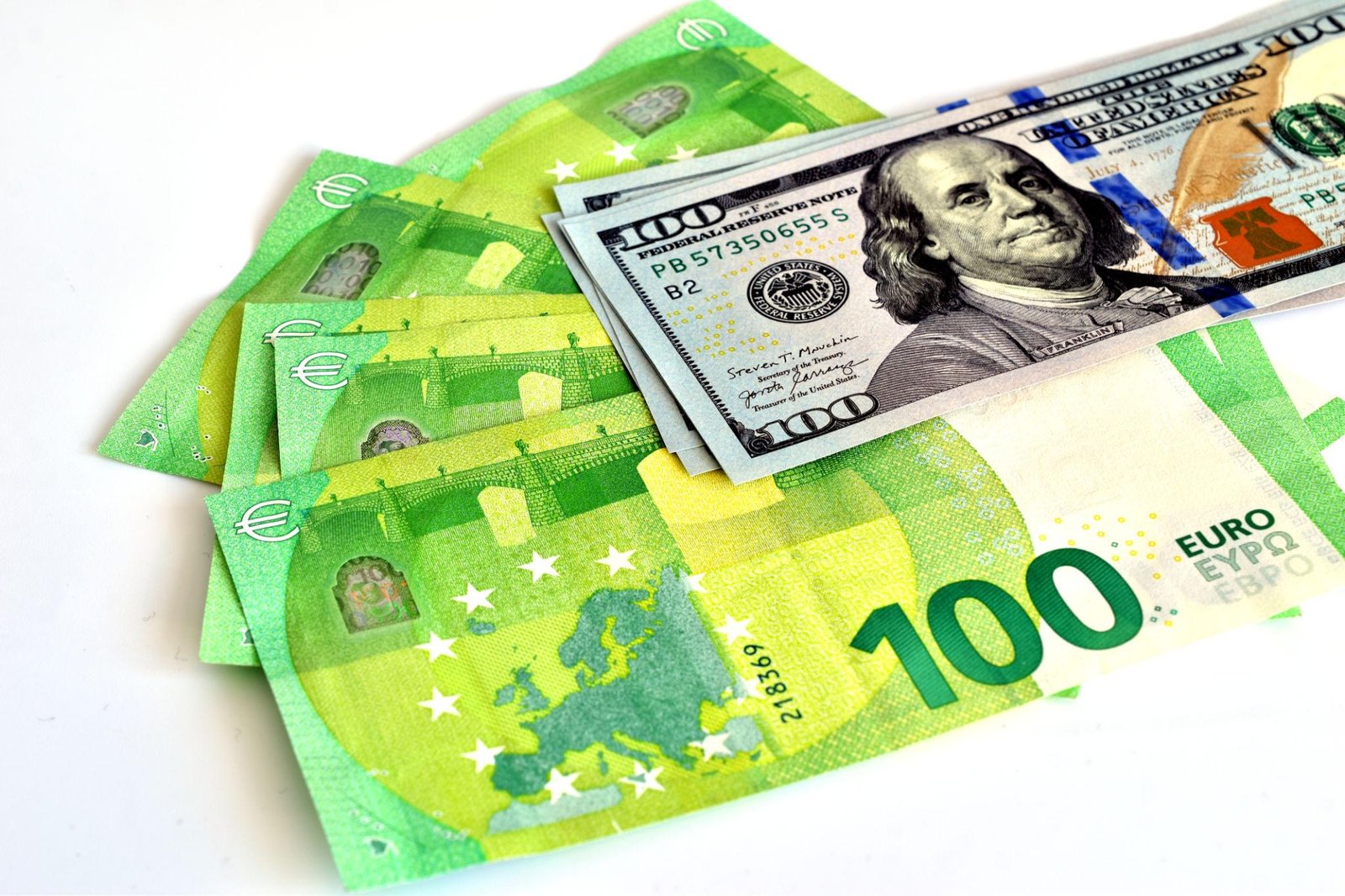
The next major evolution was the introduction of fiat currency, which is government-issued money that has no intrinsic value but is accepted as legal tender.
Unlike commodity money, fiat money (such as paper notes and coins) does not derive value from the material it is made of. Instead, its value comes from trust in the government that issues it. Governments declare fiat money as legal tender, meaning it must be accepted for transactions within the country.
Examples include the Indian Rupee (₹), US Dollar ($), and Euro (€). Fiat currency made transactions much easier because it is lightweight, standardized, and easy to carry. It also enabled the development of modern banking systems.
However, fiat currency introduced new challenges. Since governments and central banks control the supply of money, they can print more currency, which may lead to inflation. When too much money is in circulation, its value decreases, reducing purchasing power.
Additionally, fiat systems are centralized, meaning people must trust banks and governments to manage money responsibly. This centralization creates risks such as corruption, mismanagement, and financial crises.
4. Plastic Money
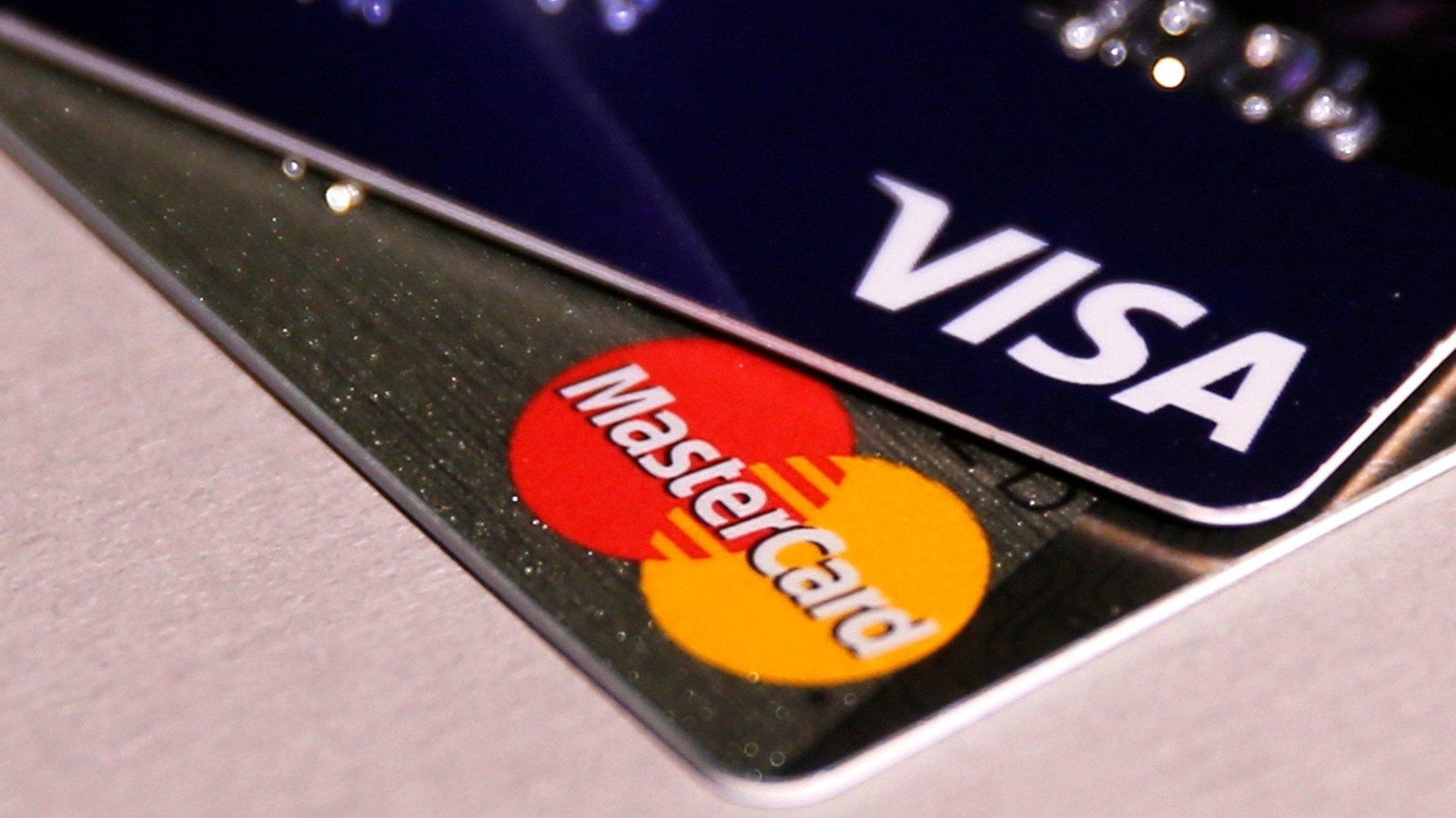
With technological advancements, the world moved towards plastic money, which includes debit cards, credit cards, and prepaid cards.
Plastic money revolutionized the way transactions are conducted. Instead of carrying physical cash, people could use cards to make payments instantly. This made transactions faster, more convenient, and safer in many cases.
Banks and payment networks like Visa, Mastercard, and RuPay act as intermediaries, processing transactions between buyers and sellers. Online shopping and digital payments became possible because of this system.
Despite its advantages, plastic money has limitations. It is heavily dependent on banks and financial institutions, which means users must rely on centralized systems. If these systems fail or are compromised, transactions cannot occur.
Another major concern is security risks, such as card theft, fraud, and hacking. Sensitive financial information can be stolen, leading to financial losses. Moreover, transaction fees and processing delays can occur due to intermediaries.
5. Cryptocurrency (Step Towards Blockchain)
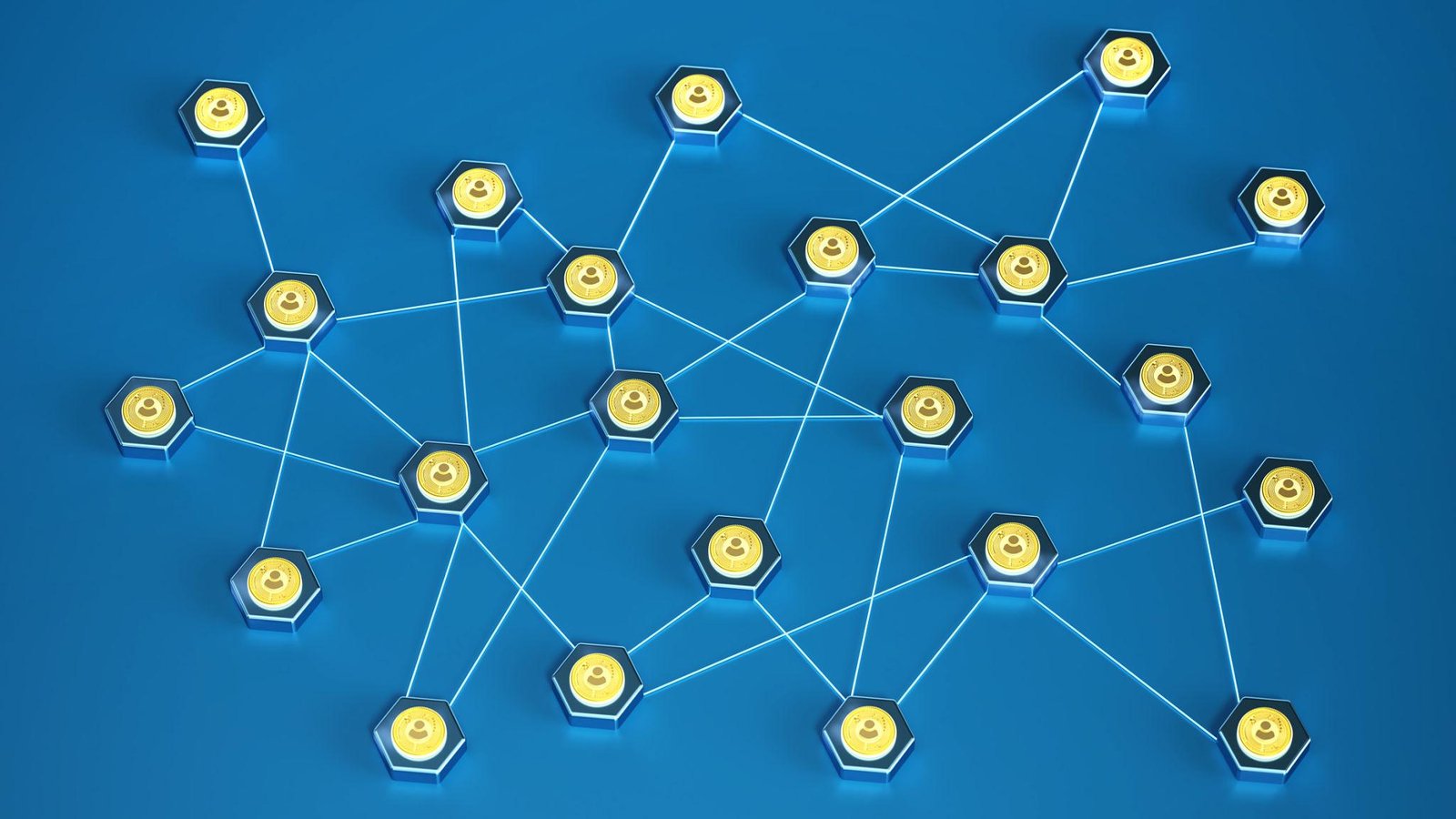
The next significant milestone in the evolution of money is cryptocurrency, which directly leads us to blockchain technology.
Cryptocurrency is a form of digital money that operates on a decentralized network using blockchain technology. Unlike fiat currency, it is not controlled by any government or central authority.
The first and most well-known cryptocurrency is Bitcoin, introduced in 2009 by Satoshi Nakamoto. Bitcoin introduced the concept of a distributed ledger, where transactions are recorded across a network of computers instead of a single central authority.
Other popular cryptocurrencies include Ethereum and Litecoin. These systems use cryptography to secure transactions and ensure data integrity.
The key innovation behind cryptocurrency is blockchain, a decentralized and immutable ledger that records all transactions transparently. Once a transaction is recorded, it cannot be altered, making the system highly secure.
Benefits of Cryptocurrency:
- Decentralization: No need for banks or intermediaries.
- Global access: Transactions can be made anywhere in the world within minutes.
- Transparency: All transactions are publicly recorded on the blockchain.
- Security: Advanced cryptographic techniques protect data.
Limitations of Cryptocurrency:
- Price volatility: Cryptocurrency values can fluctuate rapidly, making them risky for everyday use.
- Limited acceptance: Not all businesses and governments accept cryptocurrencies.
- Regulatory uncertainty: Laws regarding cryptocurrencies vary across countries.
The Emergence of Blockchain
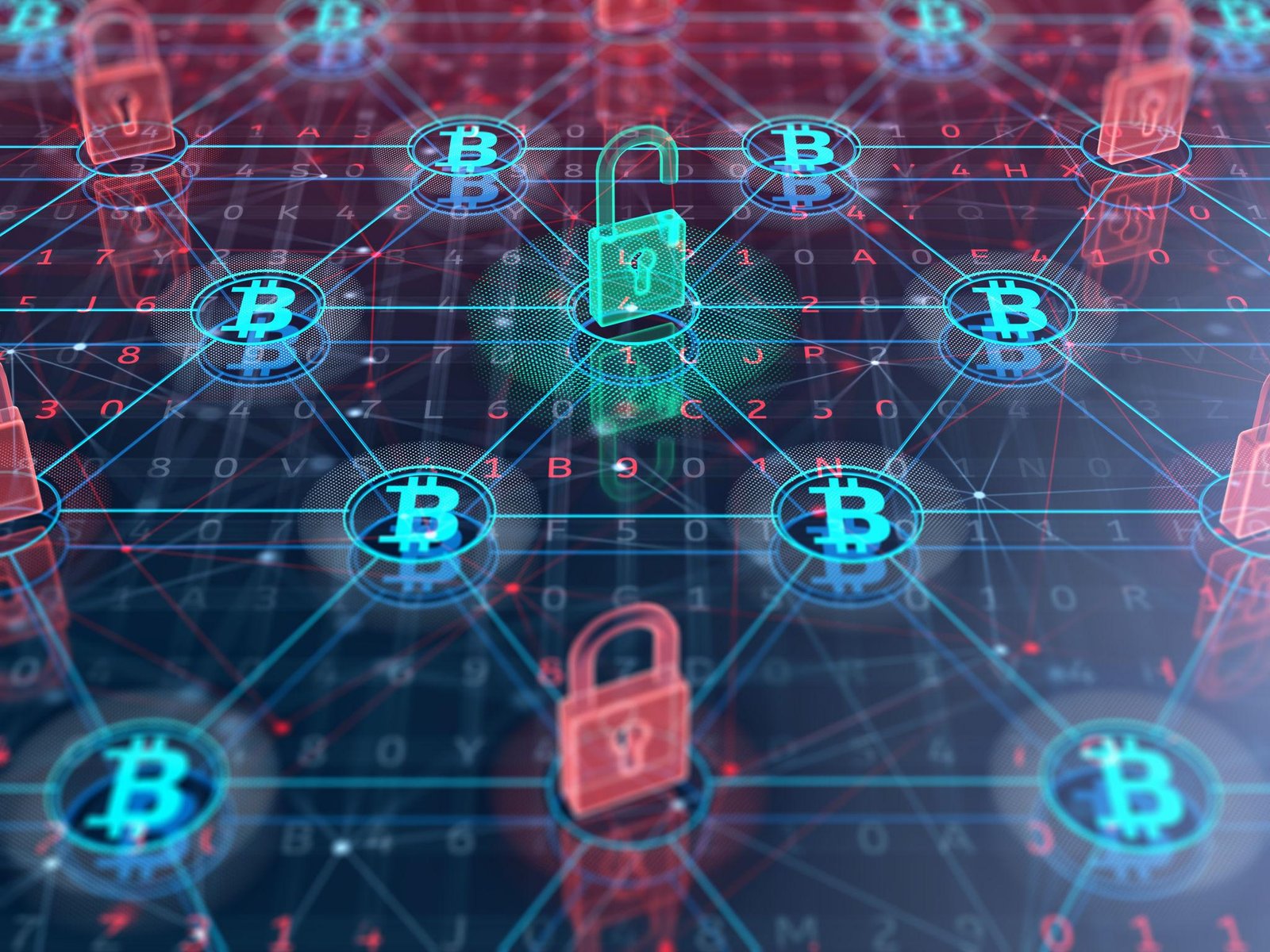
Blockchain is the underlying technology that powers cryptocurrencies, but its potential goes far beyond digital money. It is essentially a distributed, decentralized, and immutable ledger that records transactions securely.
The evolution from barter to cryptocurrency shows a clear trend: reducing dependence on trust-based systems and intermediaries. Blockchain takes this idea further by enabling trustless systems, where transactions are verified by algorithms and consensus mechanisms rather than central authorities.
In traditional systems, trust is placed in banks, governments, or institutions. In blockchain systems, trust is placed in mathematics, cryptography, and distributed networks.
Conclusion
The journey from barter systems to blockchain is a story of continuous improvement in how humans exchange value. Each stage—barter, commodity money, fiat currency, plastic money, and cryptocurrency—solved certain problems but introduced new ones.
Blockchain represents the next step in this evolution by addressing key issues like centralization, lack of transparency, and security risks. It enables decentralized systems where users have greater control over their assets and data.
As technology continues to evolve, blockchain is expected to play a major role not only in finance but also in areas like supply chain management, healthcare, voting systems, and digital identity.
Understanding this historical evolution helps us appreciate why blockchain is not just a technological innovation, but a fundamental shift in how trust and value are managed in the digital age.
It’s incredible to see how blockchain evolved from a niche experiment into the very foundation of modern global finance. We are literally watching the rewrite of how the world handles trust and ownership!
What an amazing evolution. Moving from simple peer-to-peer cash to programmable smart contracts—and now to tokenizing real-world assets—paves the way for a truly open global economy.
From Bitcoin’s genesis block to a multi-trillion dollar asset ecosystem. The speed of blockchain’s evolution is nothing short of revolutionary!