Blockchain technology has emerged as one of the most transformative innovations of the 21st century. At its core, blockchain is a digital system for recording transactions in a secure, transparent, and decentralized way. What makes blockchain unique is not just its ability to store data, but how it stores and protects that data. Four key features define blockchain systems: Decentralization, Immutability, Transparency, and Distributed Ledger Technology (DLT). Understanding these features in depth helps explain why blockchain is being adopted across industries such as finance, supply chain, healthcare, and more.
- Decentralization
Decentralization is one of the foundational principles of blockchain technology. In traditional systems, control is centralized—meaning a single authority, such as a bank, government, or organization, manages the entire system. For example, banks store customer data on centralized servers, and all transactions must pass through them for validation. While this model has worked for decades, it introduces several risks, including single points of failure, vulnerability to hacking, and lack of transparency.
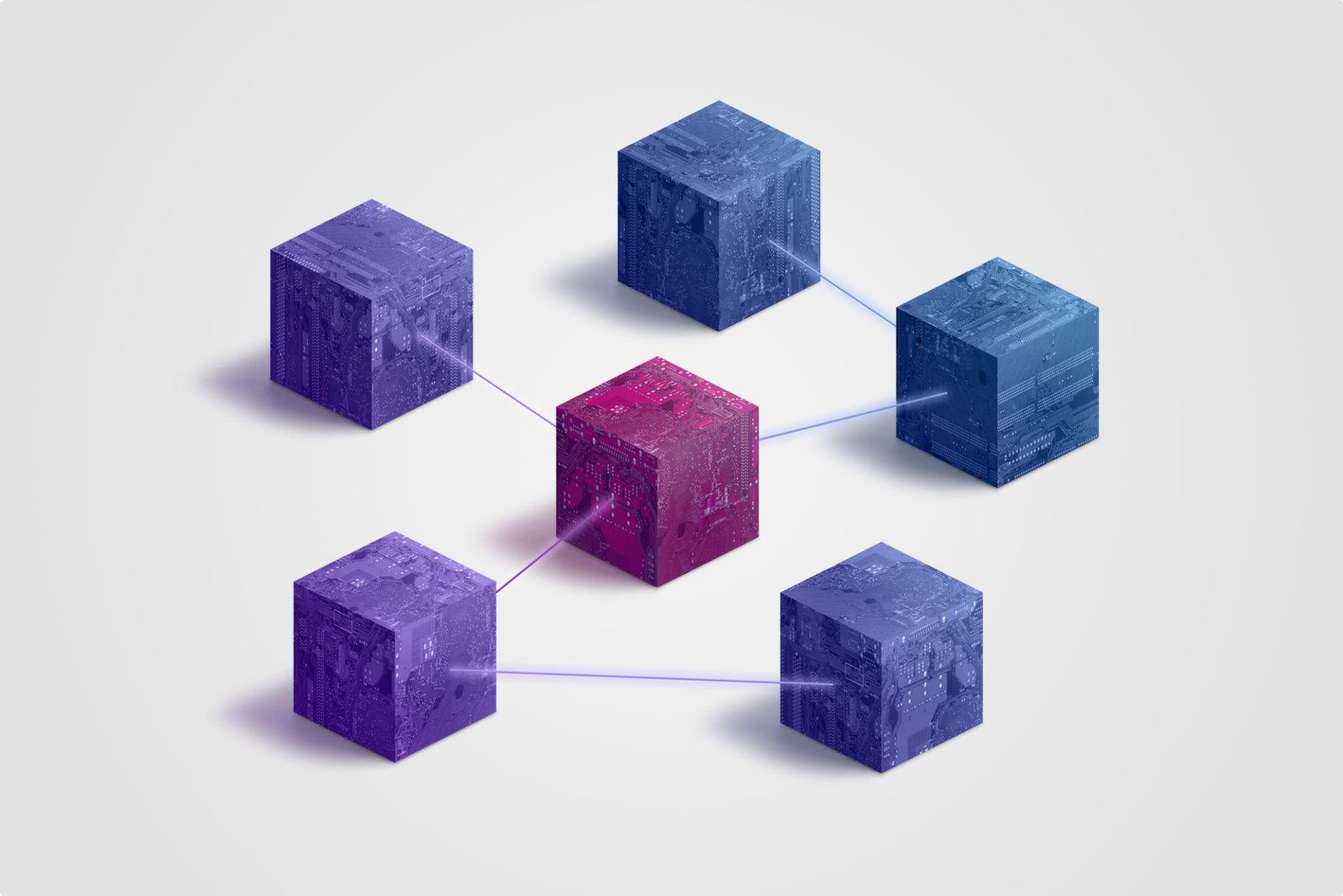
Blockchain eliminates this central authority by distributing control among multiple participants, known as nodes. Each node is a computer connected to the blockchain network, and all nodes collectively maintain and validate the system. Instead of relying on one trusted entity, trust is established through consensus mechanisms—rules that all nodes follow to agree on the validity of transactions.
This decentralized structure has several advantages. First, it significantly improves security. Since there is no single central server, it becomes extremely difficult for hackers to compromise the system. Even if one node is attacked or fails, the rest of the network continues to operate normally. Second, decentralization enhances reliability and uptime. The network does not depend on one system being operational, making it more resilient to failures.
A simple way to understand decentralization is through a classroom analogy. Imagine a class attendance register controlled only by the class monitor. If the monitor decides to manipulate the data, no one can easily detect it. Now imagine every student has a copy of the attendance record. Any discrepancy can be immediately identified, making manipulation nearly impossible.
A real-world example of decentralization is Bitcoin. Bitcoin operates without any central bank or authority. Thousands of nodes across the globe validate transactions and maintain the ledger. This decentralized approach allows users to send and receive money without relying on intermediaries like banks.
- Immutability
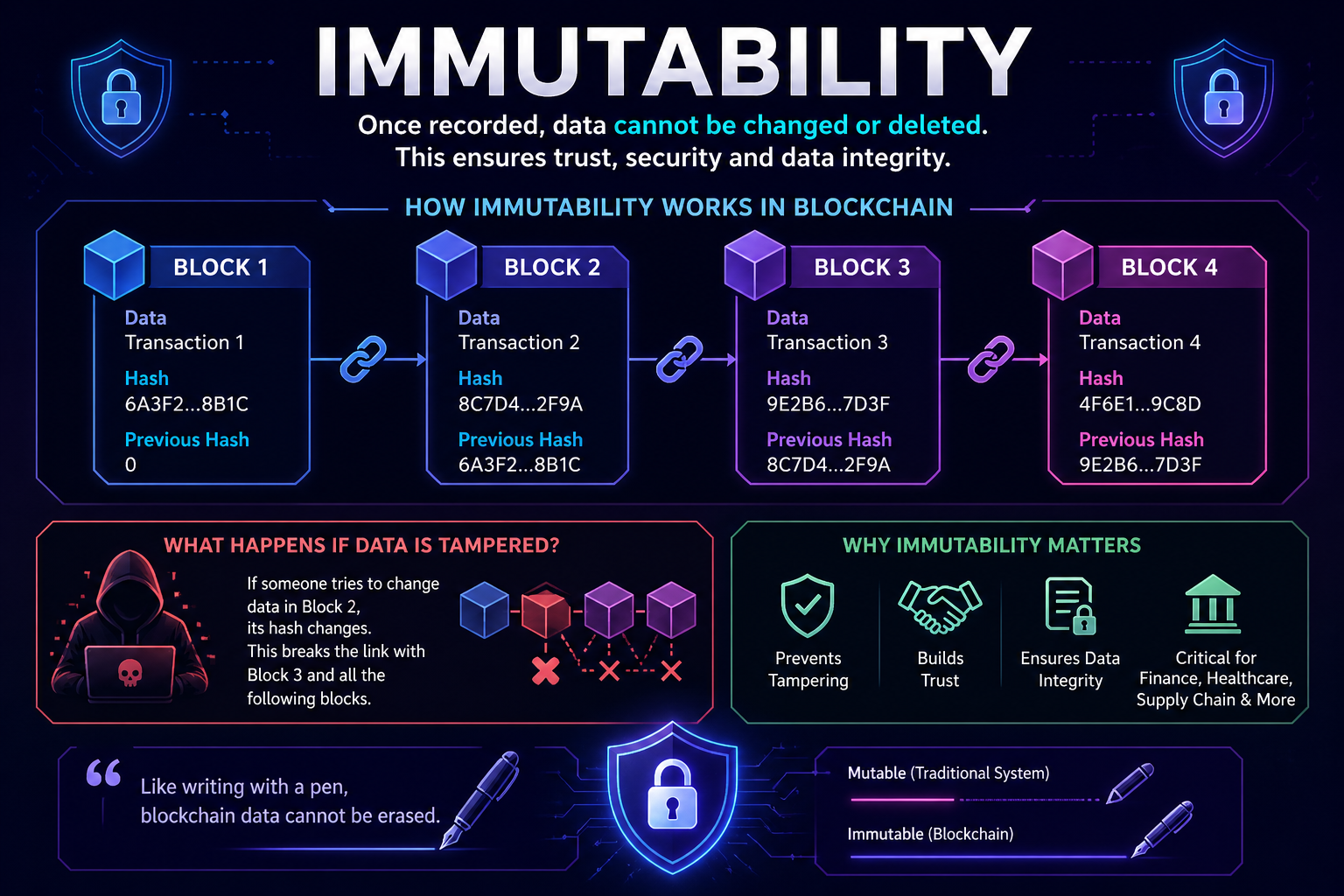
Immutability refers to the inability to alter or delete data once it has been recorded on the blockchain. This feature ensures that all information stored on the blockchain remains permanent and tamper-proof. It is achieved through cryptographic techniques, particularly hashing.
Each block in a blockchain contains a unique identifier called a hash, which acts like a digital fingerprint. This hash is generated based on the data within the block and the hash of the previous block. As a result, all blocks are interconnected in a chain-like structure. If someone attempts to modify the data in a block, its hash will change, breaking the link with the subsequent block. This discrepancy is immediately detected by the network, making tampering virtually impossible.
Immutability is crucial for maintaining trust and integrity in a system where participants may not know or trust each other. It ensures that once a transaction is confirmed, it becomes a permanent part of the blockchain record.
To illustrate, consider the difference between writing with a pencil and writing with a pen. Pencil marks can be erased and altered, similar to traditional databases where records can be modified. Writing with a pen, however, is permanent—once written, it cannot be changed easily. Blockchain operates like a pen, ensuring that records remain unchanged.
A practical application of immutability can be seen in supply chain management. Large companies like Walmart use blockchain to track the journey of products, especially food items. From the farm to the store shelf, every step is recorded on the blockchain. Once this information is entered, it cannot be altered, ensuring authenticity and preventing fraud. This helps quickly trace the source of contamination in case of food safety issues.
- Transparency
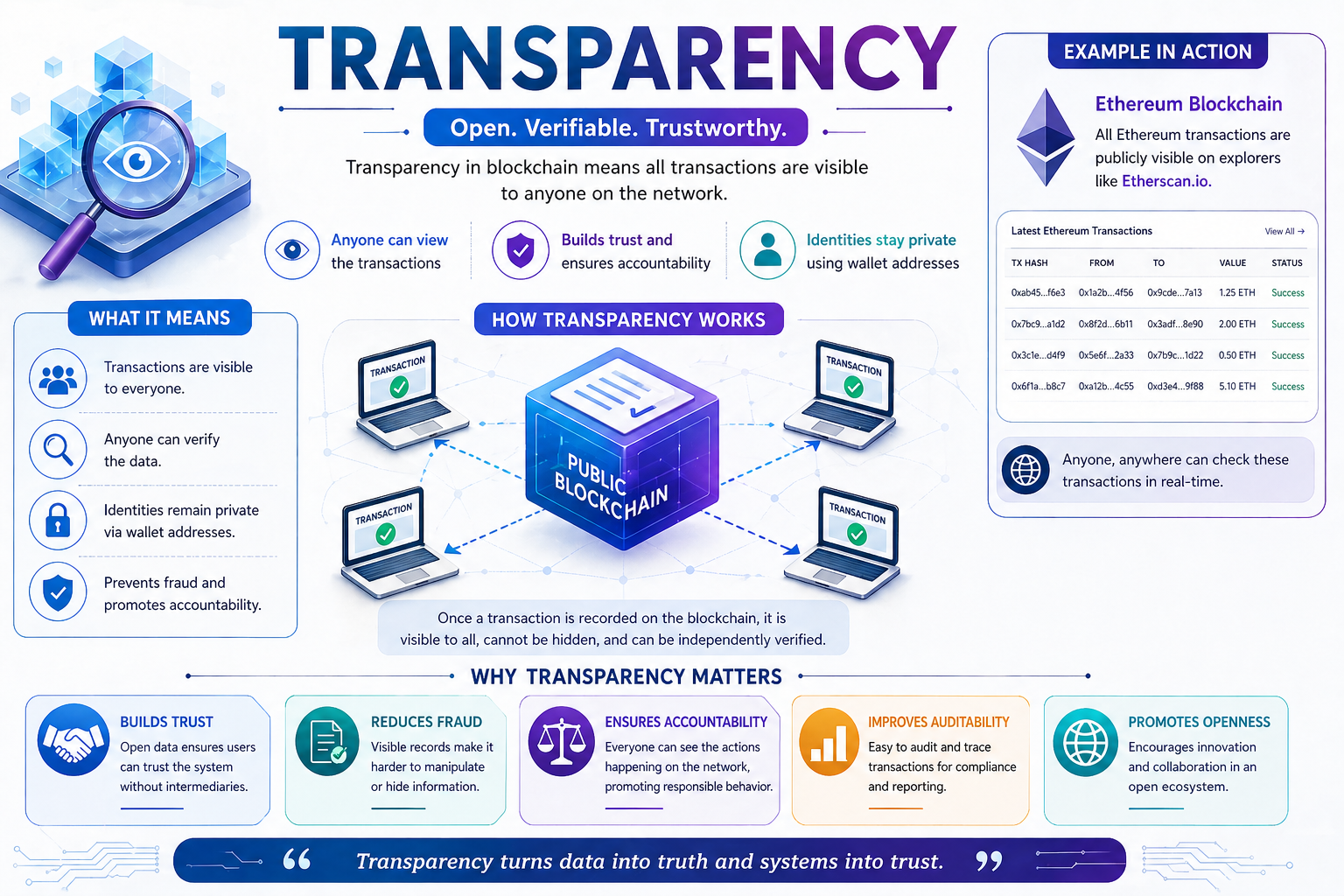
Transparency is another defining characteristic of blockchain systems. In a blockchain network, all transactions are recorded on a public ledger that is accessible to all participants. This means anyone can view the transaction history, ensuring accountability and reducing the likelihood of fraud.
However, transparency in blockchain does not mean a loss of privacy. Instead of revealing personal identities, blockchain uses cryptographic addresses (wallet addresses) to represent users. This allows transactions to be visible while keeping the identities of participants anonymous or pseudonymous.
Transparency builds trust among users because it allows independent verification of transactions. In traditional systems, users must rely on institutions to provide accurate information. In blockchain, users can verify data themselves without needing to trust a central authority.
A classroom example can help clarify this concept. Imagine that exam results are announced publicly using roll numbers instead of names. Every student can verify their marks, ensuring fairness, while personal identities remain protected. This balance between openness and privacy is what makes blockchain transparency effective.
One of the most prominent examples of transparency is the Ethereum blockchain. Platforms like Etherscan allow anyone to view all transactions occurring on the Ethereum network in real time. This level of openness ensures accountability and helps detect suspicious activities.
Transparency also plays a significant role in reducing corruption and improving governance. For example, blockchain can be used in voting systems, public fund tracking, and auditing processes, where visibility is essential for trust.
- Distributed Ledger Technology (DLT)
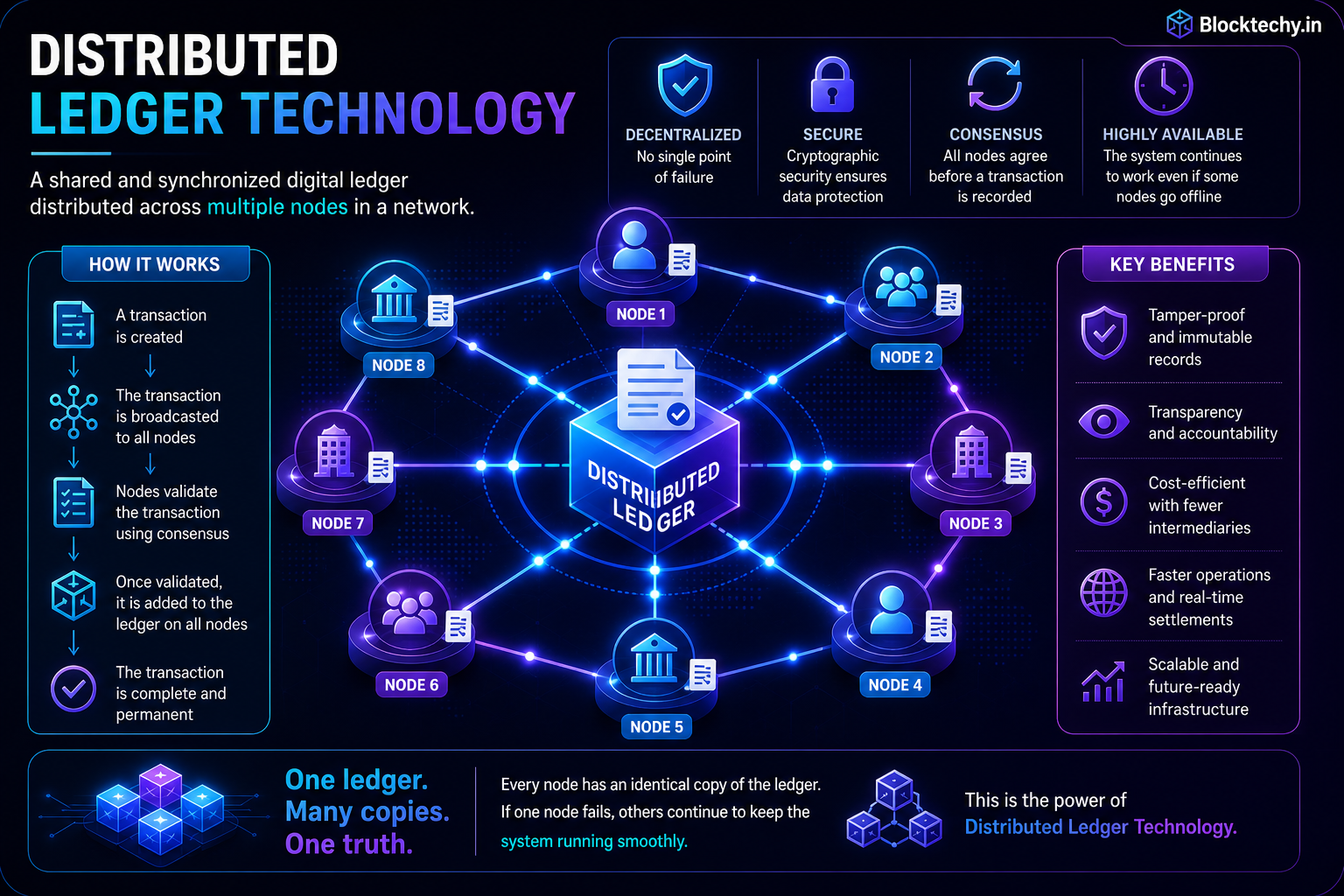
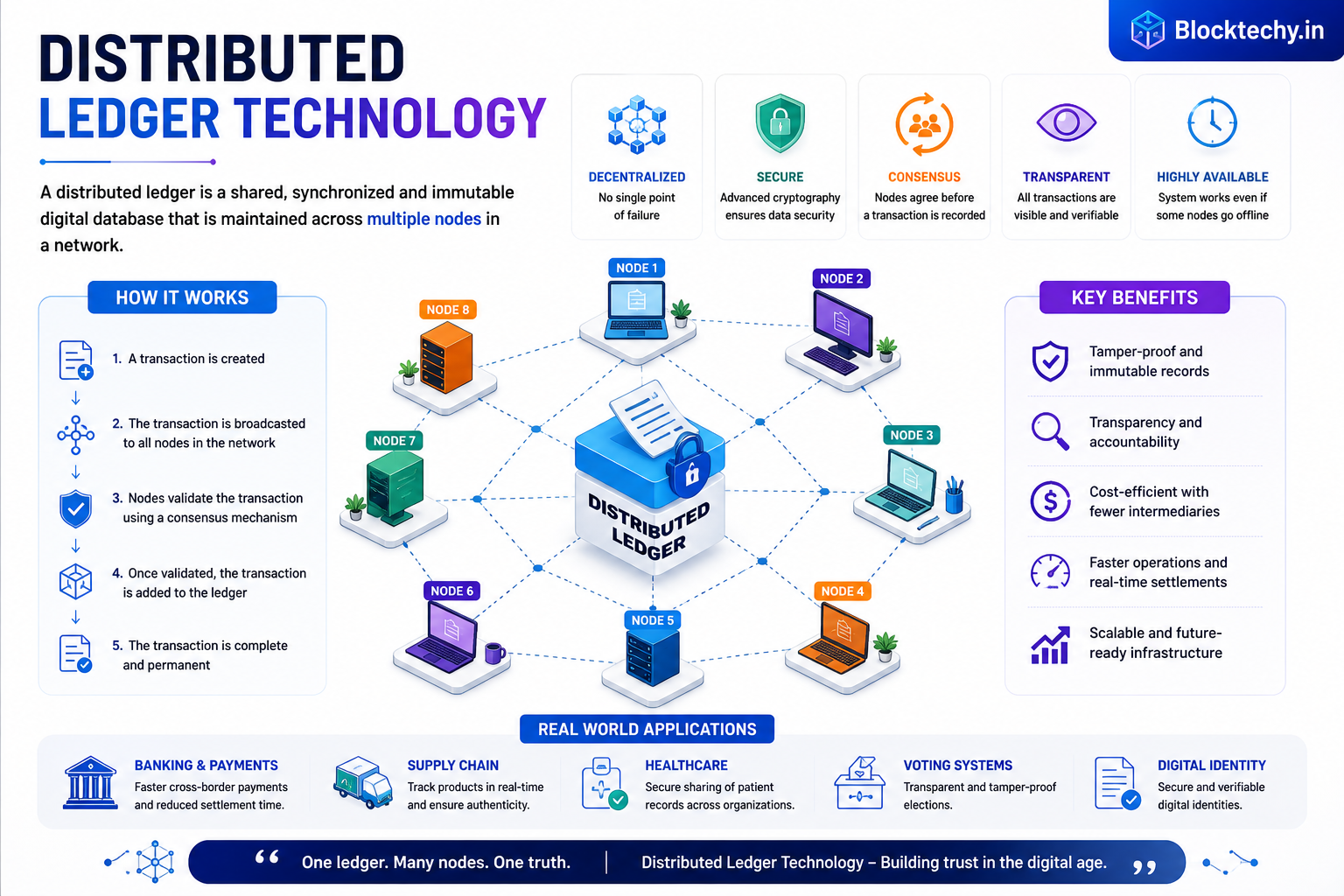
Distributed Ledger Technology (DLT) is the underlying framework that enables blockchain to function. A distributed ledger is a digital database that is shared and synchronized across multiple nodes in a network. Unlike traditional databases, which are stored in a single central location, a distributed ledger exists simultaneously in multiple locations.
Each node in the network maintains an identical copy of the ledger. When a new transaction occurs, it is broadcast to all nodes, verified through consensus mechanisms, and then added to the ledger. Once updated, all nodes synchronize their copies to reflect the latest state of the blockchain.
The distributed nature of the ledger offers several advantages. It enhances security because there is no central point of failure. It improves reliability since the system continues to function even if some nodes go offline. It also increases trust, as all participants have access to the same data and can independently verify transactions.
Consider a group project scenario. In a centralized system, only one student keeps the project file. If that student loses the file, the entire project is at risk. In a distributed system, every student has a copy of the file. Even if one copy is lost, the project continues without disruption. This is how DLT ensures resilience and continuity.
A real-world example of DLT in action is Ripple. Ripple uses distributed ledger technology to facilitate fast and cost-effective international money transfers. Traditional cross-border payments can take several days and involve multiple intermediaries. Ripple’s system enables near-instant transactions with lower fees, demonstrating the efficiency of DLT.
Conclusion
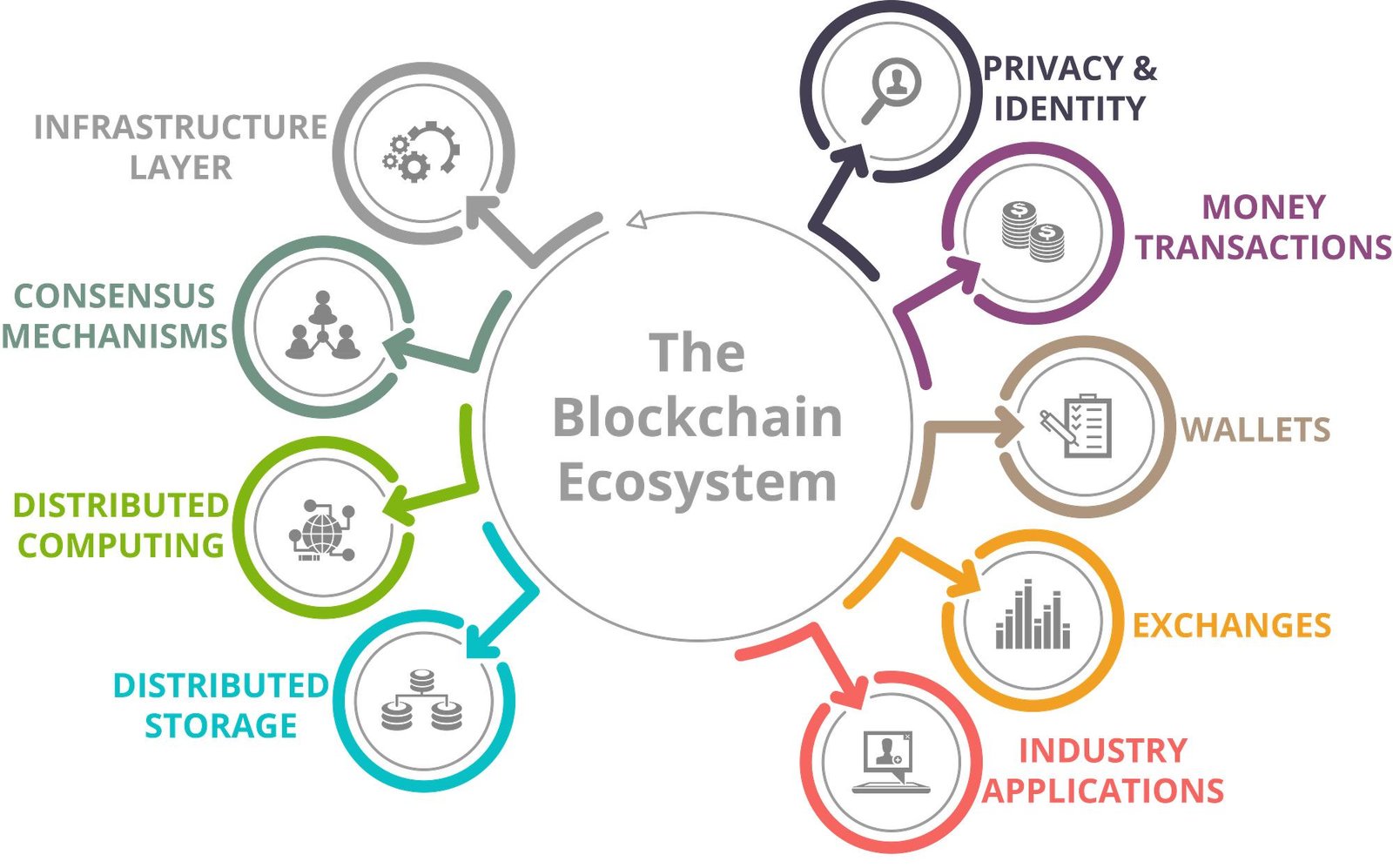
The four key features of blockchain—Decentralization, Immutability, Transparency, and Distributed Ledger Technology—work together to create a secure, reliable, and efficient system for managing data and transactions. Decentralization removes the need for intermediaries, reducing costs and increasing security. Immutability ensures that data remains permanent and tamper-proof. Transparency builds trust by allowing open verification of transactions, while DLT ensures that data is consistently shared and maintained across multiple nodes.
These features make blockchain a powerful tool for transforming industries. From cryptocurrencies like Bitcoin to supply chain management, digital identity, and financial services, blockchain is redefining how data is stored, shared, and secured. As technology continues to evolve, the importance of these core features will only grow, paving the way for more decentralized and trustworthy systems in the future.