Introduction
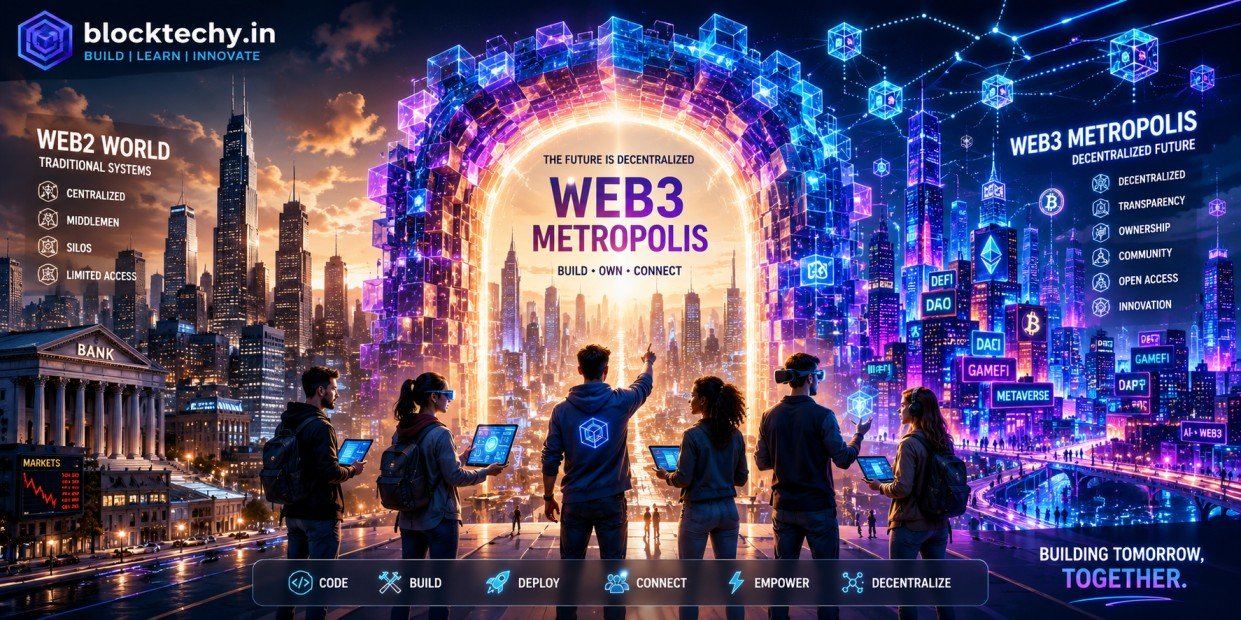
Blockchain technology has evolved far beyond its origins in cryptocurrency. What started as the foundation for Bitcoin has now become a transformative technology powering decentralized finance, digital identity systems, supply chain management, gaming ecosystems, and enterprise applications. As businesses increasingly adopt blockchain solutions, developers are expected to understand not only the fundamentals but also the latest trends shaping the industry.
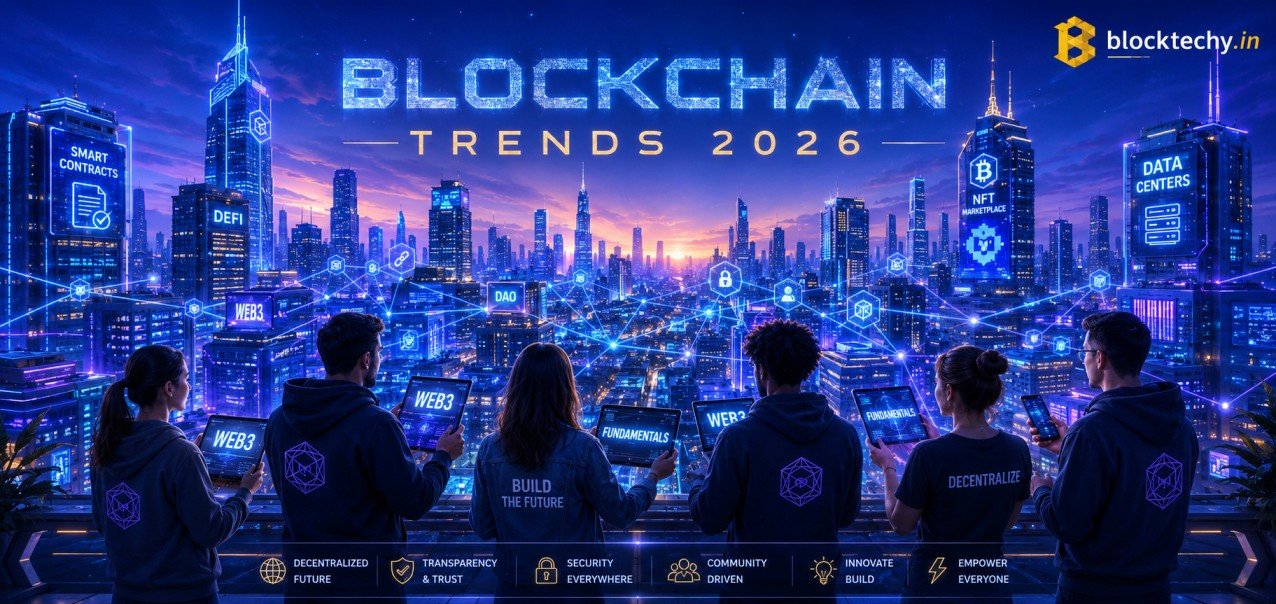
In 2026, blockchain innovation is moving at an unprecedented pace. New protocols, scaling solutions, and real-world applications are creating opportunities for developers to build products that solve practical problems rather than merely supporting speculative markets. Whether you’re a beginner entering Web3 or an experienced software engineer looking to expand your skills, staying informed about emerging blockchain trends is essential.
This article explores the most important blockchain technology trends every developer should follow in 2026 and beyond.
1. Real-World Asset (RWA) Tokenization
One of the fastest-growing sectors in blockchain is Real-World Asset (RWA) tokenization. This process involves converting ownership rights of physical or traditional financial assets into digital tokens that can be traded on blockchain networks.
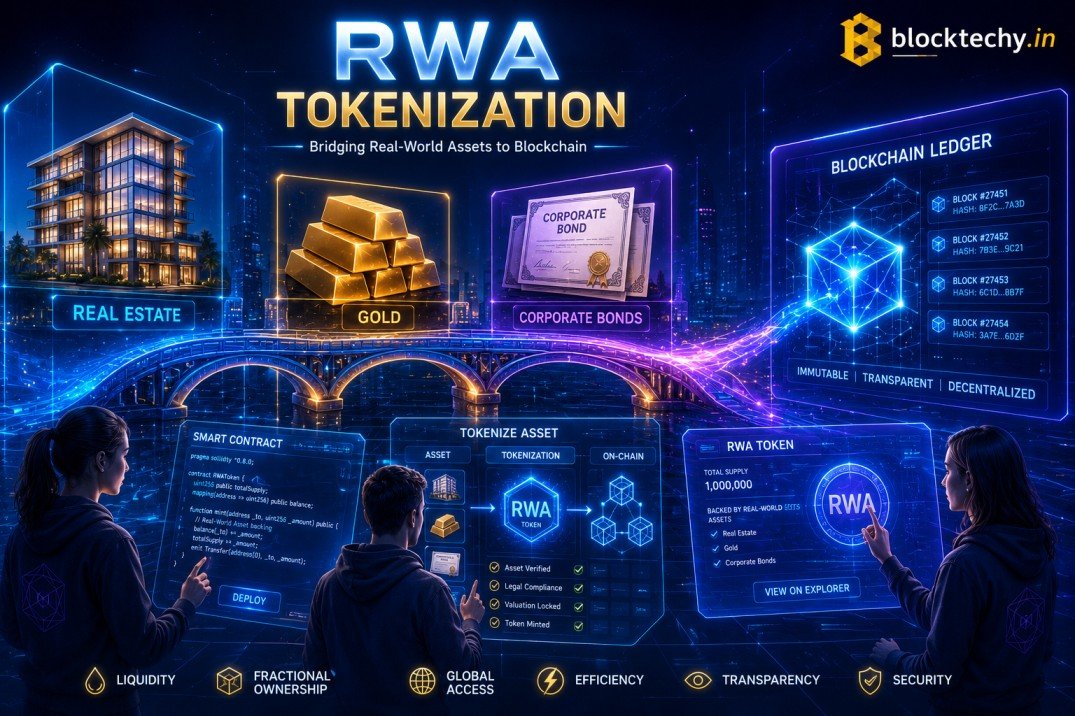
Examples include:
- Real estate properties
- Government bonds
- Stocks and securities
- Precious metals
- Private credit funds
For developers, RWA tokenization presents opportunities to build platforms that facilitate asset issuance, trading, compliance verification, and ownership management.
Key skills to learn:
- Smart contract development
- Asset token standards
- Regulatory compliance integration
- Security auditing
As financial institutions continue adopting blockchain infrastructure, developers with expertise in tokenized asset systems will be in high demand.
2. Stablecoin Infrastructure Development
Stablecoins have emerged as one of the most practical applications of blockchain technology. Unlike traditional cryptocurrencies, stablecoins maintain a relatively stable value by being pegged to fiat currencies or other assets.

Businesses increasingly use stablecoins for:
- Cross-border payments
- Merchant transactions
- International remittances
- Treasury management
- Payroll processing
Developers should focus on understanding payment infrastructure, wallet integration, settlement systems, and security practices.
Important technologies include:
- Smart contract-based payment systems
- Payment APIs
- Multi-signature wallets
- Transaction monitoring tools
The rise of stablecoin adoption is creating a demand for blockchain developers capable of building scalable payment solutions.
3. AI and Blockchain Integration
Artificial Intelligence and blockchain are increasingly being combined to create powerful decentralized ecosystems. AI systems can leverage blockchain technology for secure data storage, transparent decision-making, and autonomous financial transactions.
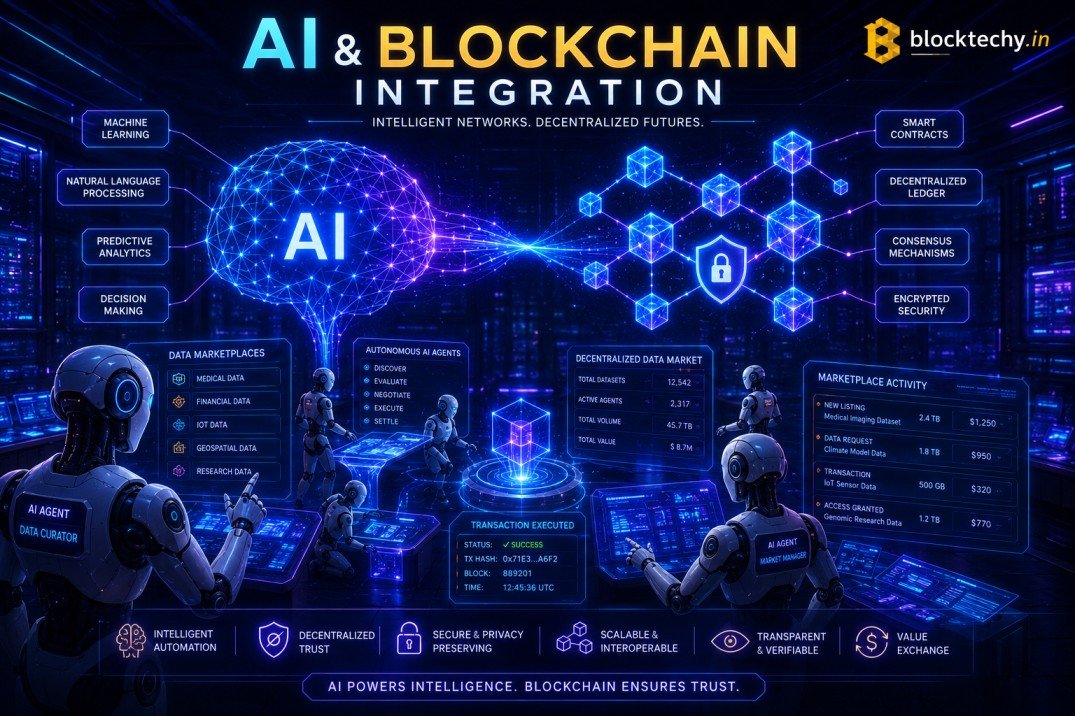
Emerging applications include:
- AI-powered decentralized marketplaces
- Autonomous AI agents with crypto wallets
- Blockchain-based data marketplaces
- Decentralized AI computing networks
For developers, this trend creates exciting opportunities to work on projects involving both machine learning and blockchain technologies.
Recommended skills include:
- AI model deployment
- Smart contract programming
- Decentralized storage systems
- API integration
The convergence of AI and blockchain is expected to become one of the most influential technology trends of the decade.
4. Decentralized Physical Infrastructure Networks (DePIN)
DePIN refers to blockchain-powered systems that incentivize users to contribute physical infrastructure resources to decentralized networks.
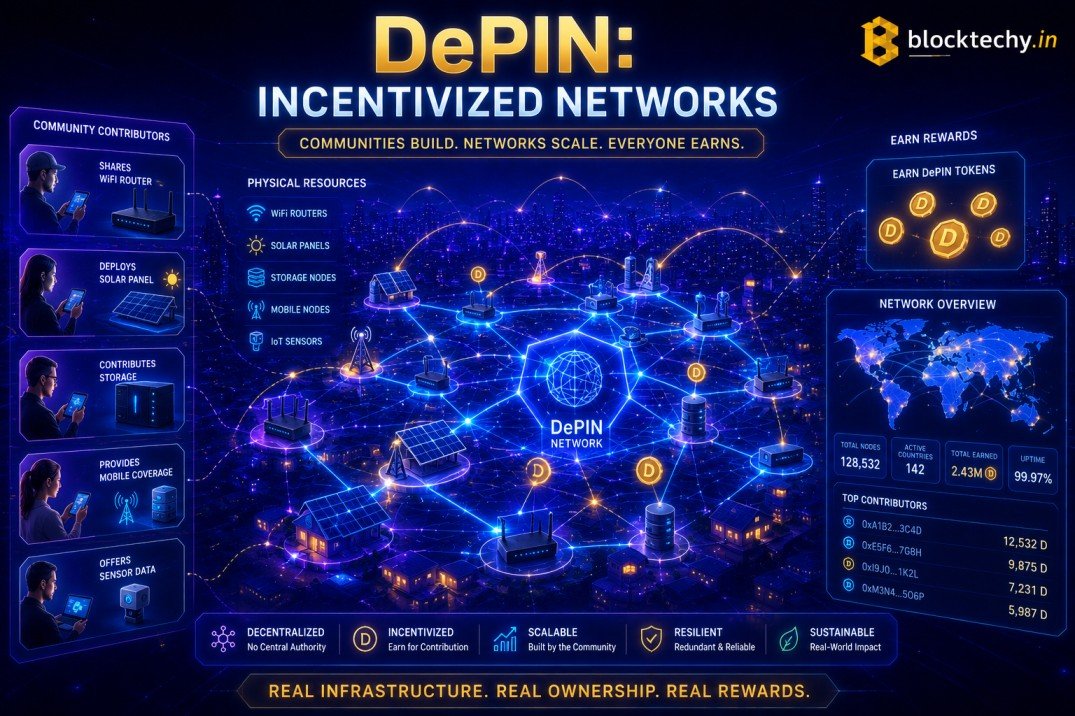
Examples include:
- Wireless communication networks
- Distributed storage systems
- GPU sharing platforms
- IoT device networks
Traditional infrastructure often relies on centralized organizations. DePIN projects use token incentives to encourage community participation and resource sharing.
Developers working in this space may focus on:
- Edge computing
- IoT integration
- Network protocols
- Incentive mechanism design
As demand for decentralized infrastructure grows, DePIN is expected to become a major area of innovation within blockchain development.
5. Layer-2 Scaling Solutions
Scalability remains one of the most significant challenges facing blockchain networks. Layer-2 solutions are designed to process transactions off-chain while maintaining the security of the underlying blockchain.
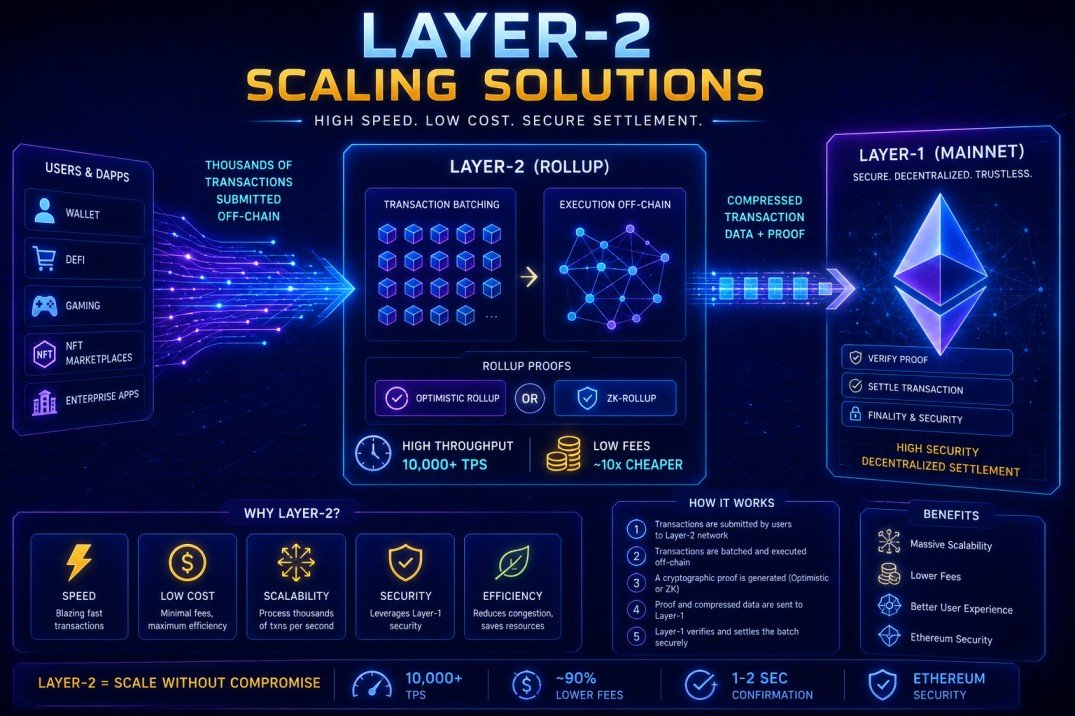
Popular Layer-2 technologies include:
- Optimistic Rollups
- Zero-Knowledge Rollups (ZK-Rollups)
- State Channels
- Sidechains
Benefits include:
- Faster transaction speeds
- Lower transaction fees
- Improved user experience
- Greater network efficiency
Developers should learn how Layer-2 architectures function and how to deploy applications across multiple blockchain layers.
Understanding scaling technologies will be critical as blockchain adoption continues to increase globally.
6. Zero-Knowledge (ZK) Technology
Privacy has become a major concern for both individuals and enterprises using blockchain systems. Zero-Knowledge Proofs (ZKPs) allow one party to verify information without revealing the underlying data.
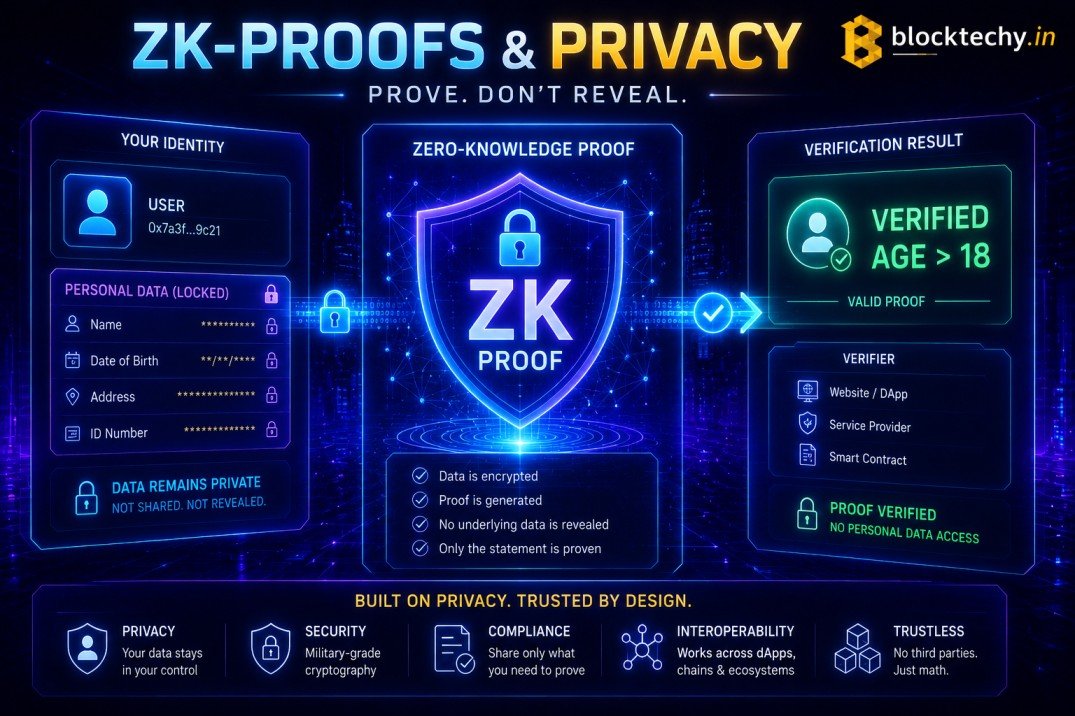
Potential applications include:
- Digital identity verification
- Private transactions
- Regulatory compliance
- Healthcare data protection
Why developers should pay attention:
- Growing enterprise demand
- Enhanced privacy features
- Improved scalability
- Strong cryptographic foundations
Learning cryptographic concepts and ZK-proof frameworks can provide developers with a competitive advantage in the blockchain job market.
7. Institutional Decentralized Finance (DeFi)
Decentralized Finance has matured significantly over the past few years. The focus is shifting from retail speculation toward institutional-grade financial products.
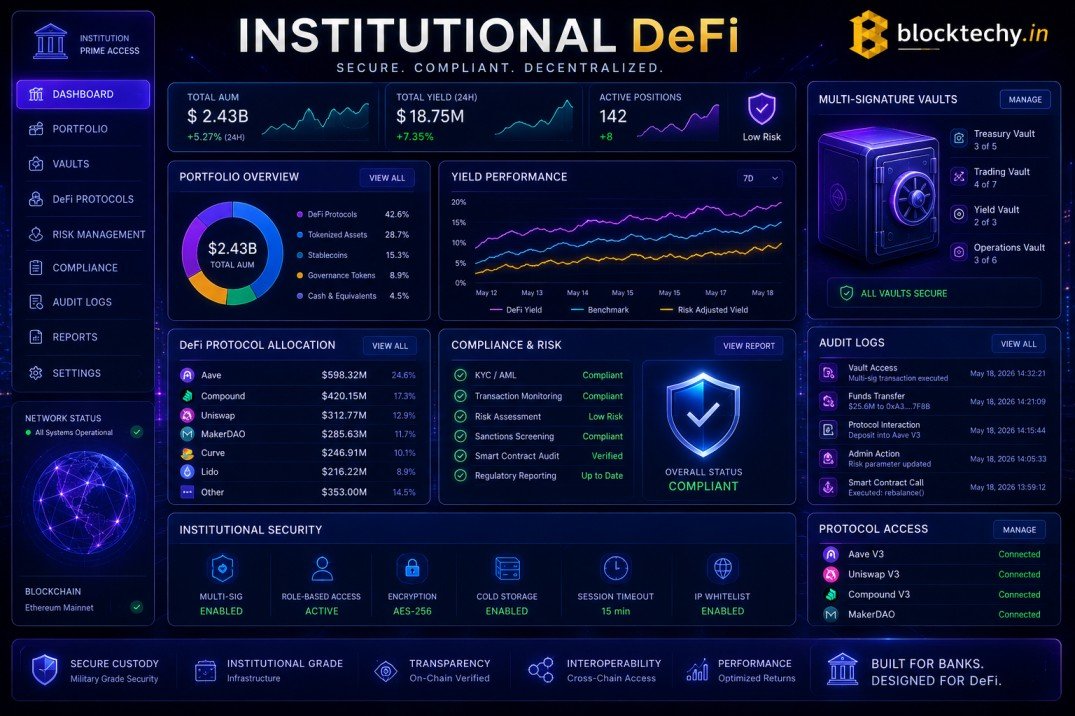
Modern DeFi platforms now support:
- Lending and borrowing
- Asset management
- Treasury operations
- Yield generation
- Risk management
Developers building institutional DeFi solutions must prioritize:
- Security
- Compliance
- Auditing
- Scalability
Understanding financial systems alongside blockchain technology can help developers create products suitable for enterprise and institutional users.
8. Blockchain Interoperability
The blockchain ecosystem contains hundreds of independent networks. Interoperability solutions enable these networks to communicate and exchange information efficiently.
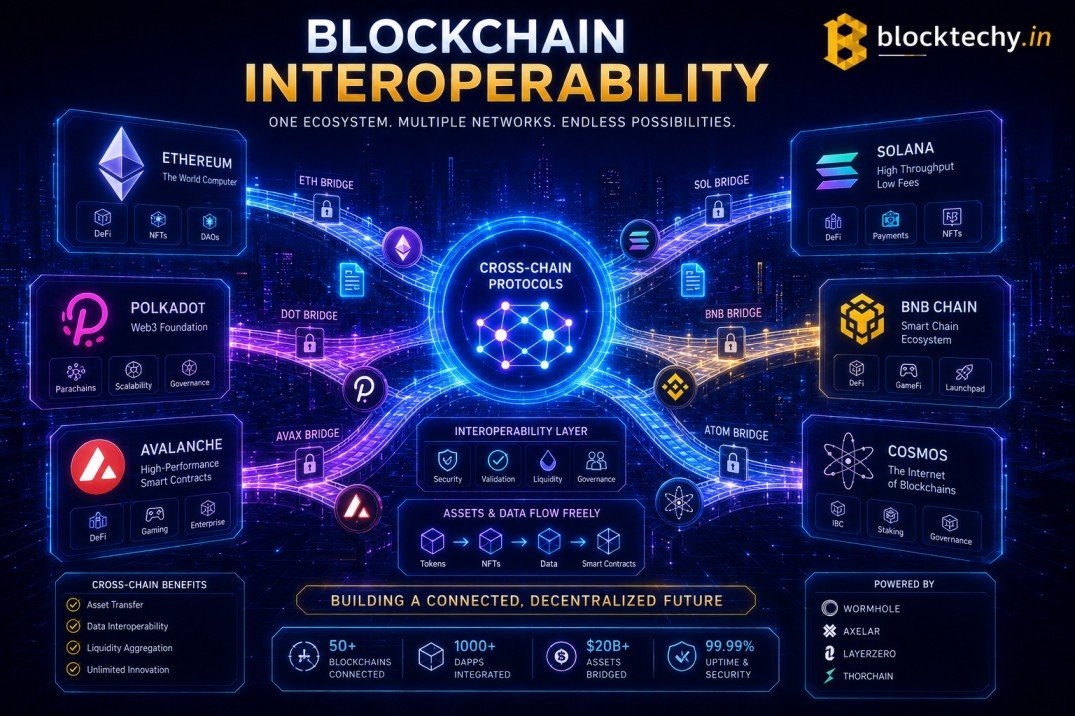
Common interoperability technologies include:
- Cross-chain bridges
- Messaging protocols
- Multi-chain frameworks
- Interoperable smart contracts
Benefits include:
- Enhanced liquidity
- Improved user experience
- Greater flexibility
- Reduced ecosystem fragmentation
Developers who understand interoperability can create applications capable of operating across multiple blockchain environments.
As multi-chain ecosystems become the norm, interoperability expertise will become increasingly valuable.
9. Decentralized Identity Systems
Identity management is undergoing a significant transformation through blockchain technology.
Traditional identity systems often rely on centralized databases that are vulnerable to breaches and misuse. Decentralized identity solutions enable users to control and manage their own credentials.
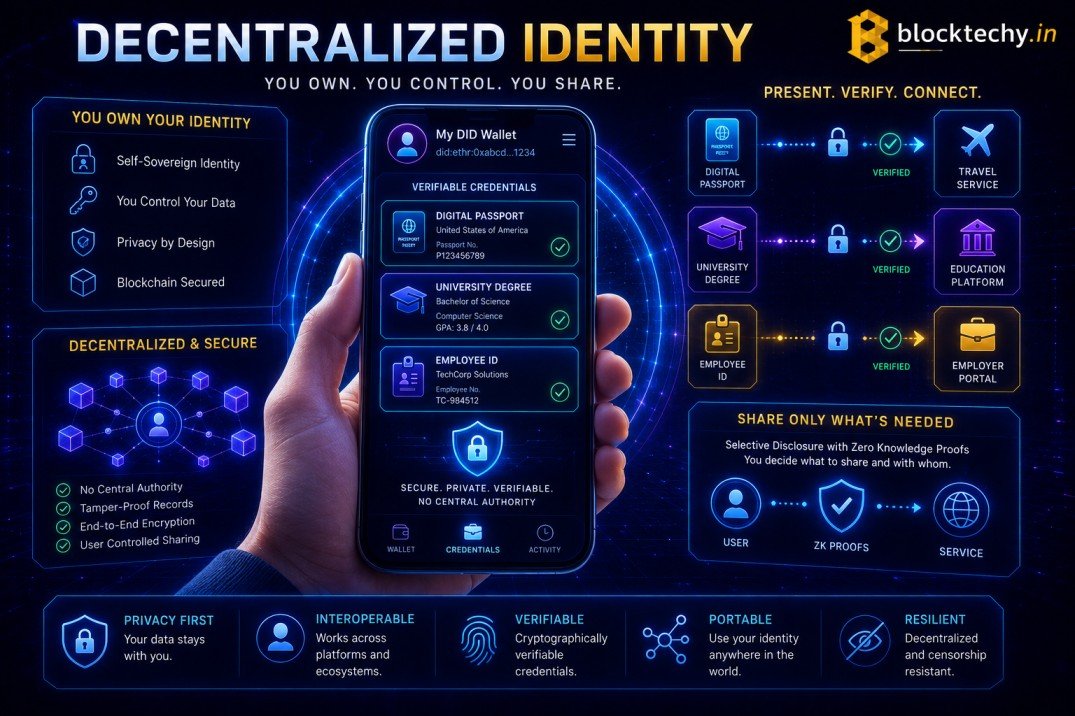
Applications include:
- Digital passports
- Educational certificates
- Employee credentials
- KYC verification systems
Developers can contribute by building:
- Identity wallets
- Credential verification systems
- Authentication protocols
- Privacy-preserving identity platforms
Decentralized identity is expected to become a key component of future internet infrastructure.
10. Enterprise Blockchain Adoption
Large organizations are increasingly exploring blockchain technology for operational efficiency and transparency.
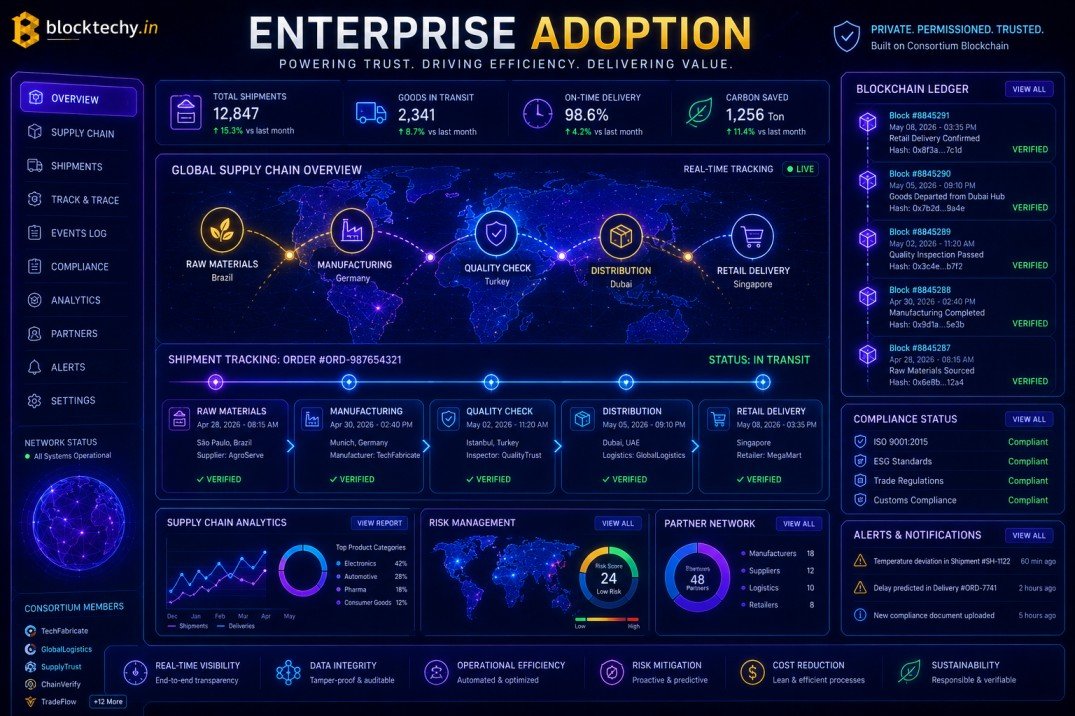
Industries adopting blockchain include:
- Banking
- Healthcare
- Supply chain management
- Manufacturing
- Government services
Enterprise blockchain solutions often focus on:
- Process automation
- Data integrity
- Auditability
- Cost reduction
Developers should familiarize themselves with enterprise blockchain platforms and architecture patterns.
Popular enterprise-focused technologies include:
- Hyperledger Fabric
- Enterprise Ethereum
- Consortium blockchain networks
Enterprise adoption represents a significant source of long-term demand for blockchain professionals.
Essential Skills for Blockchain Developers in 2026
To remain competitive, developers should focus on building expertise in the following areas:
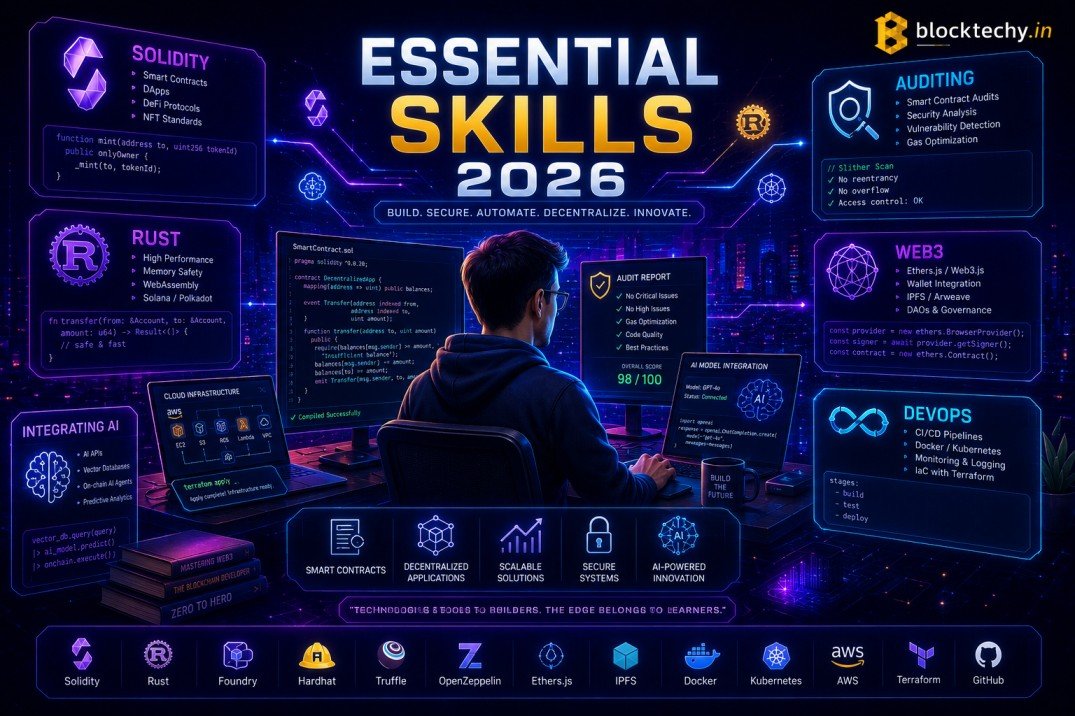
Smart Contract Development
Languages such as Solidity and Rust remain essential for developing decentralized applications.
Blockchain Security
Security vulnerabilities can result in significant financial losses. Understanding auditing and secure coding practices is crucial.
Cryptography Fundamentals
A strong foundation in cryptographic principles helps developers build secure and reliable blockchain systems.
Web3 Development
Knowledge of wallet integration, decentralized storage, and blockchain APIs is increasingly important.
Cloud and DevOps
Modern blockchain applications often rely on cloud infrastructure and automated deployment pipelines.
AI Integration
Combining AI capabilities with blockchain systems can unlock new business opportunities and innovative applications.
The Future of Blockchain Development
The blockchain industry is entering a phase focused on utility, scalability, and real-world adoption. While cryptocurrencies remain an important component of the ecosystem, the future of blockchain extends far beyond digital assets.
Developers will play a crucial role in building the next generation of decentralized applications, financial infrastructure, identity systems, and AI-powered ecosystems. Organizations are actively seeking professionals who understand emerging blockchain technologies and can transform innovative concepts into practical solutions.
By staying informed about trends such as tokenization, stablecoins, Layer-2 scaling, Zero-Knowledge technology, AI integration, and decentralized identity, developers can position themselves at the forefront of one of the most exciting technological revolutions of our time.
Conclusion
Blockchain technology continues to evolve rapidly, creating new opportunities for developers across industries. From real-world asset tokenization and institutional DeFi to AI integration and decentralized identity systems, the scope of blockchain innovation has never been broader.
For developers aiming to build a successful career in Web3, continuous learning is essential. Understanding these emerging trends will not only enhance technical expertise but also open doors to exciting projects, career opportunities, and entrepreneurial ventures.
The future of blockchain belongs to developers who embrace innovation, prioritize security, and focus on creating solutions that deliver real value to users and businesses alike.
Follow this link to join my WhatsApp group: https://chat.whatsapp.com/JvmrMTxkdgt9u6kGMT73XY