Introduction
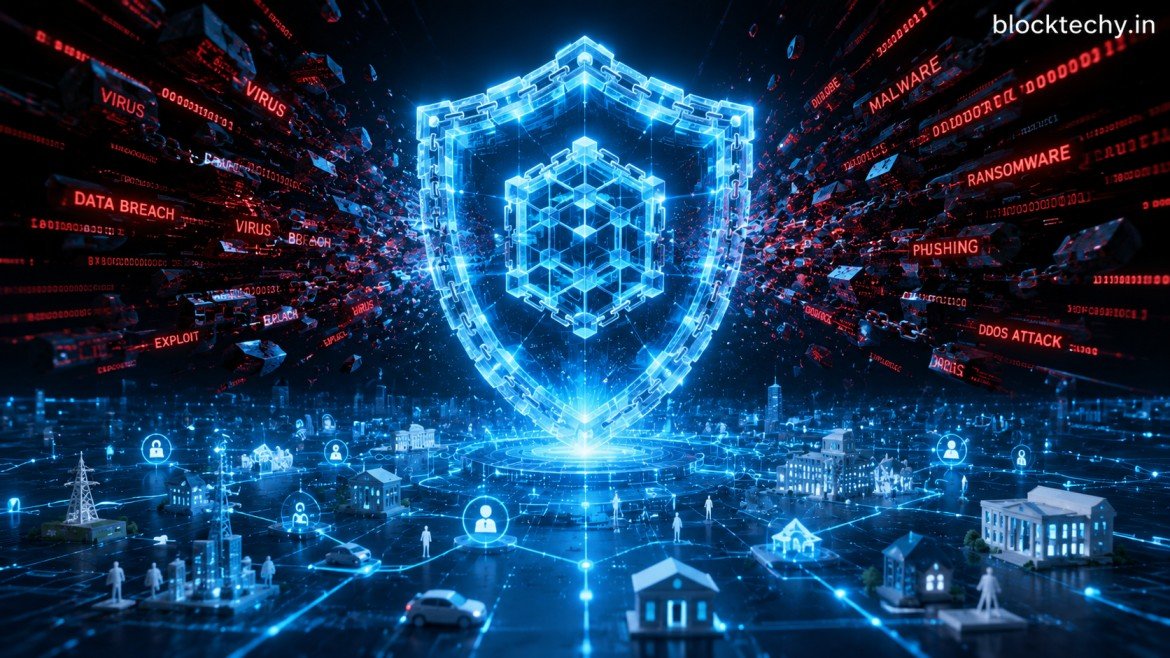
In today’s interconnected world, digital technologies have transformed the way individuals, businesses, and governments operate. From online banking and cloud computing to e-commerce and smart devices, digital systems have become essential to modern life. However, this growing dependence on technology has also increased exposure to cyber threats. Data breaches, ransomware attacks, identity theft, and system intrusions have become common challenges that organizations face every day.
As cybercriminals continue to develop more sophisticated attack methods, traditional cybersecurity solutions are often pushed to their limits. Security experts are constantly searching for innovative technologies that can strengthen digital defenses and protect valuable information. One technology that has emerged as a promising solution is blockchain.
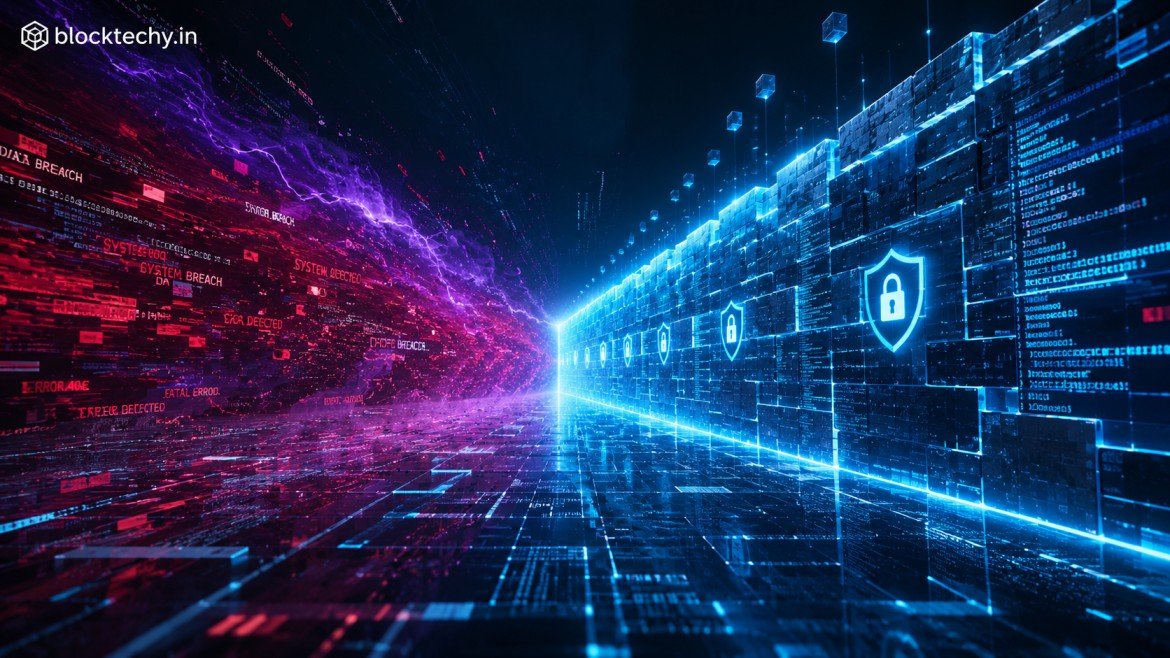
Originally introduced as the underlying technology behind Bitcoin, blockchain has evolved into a powerful tool with applications across multiple industries. Its unique characteristics—decentralization, transparency, immutability, and cryptographic security—make it highly valuable in addressing many cybersecurity challenges.
The connection between blockchain and cybersecurity is becoming increasingly important as organizations seek stronger ways to secure data, verify identities, and protect digital transactions. This article explores how blockchain enhances cybersecurity, its real-world applications, benefits, challenges, and its potential role in shaping the future of digital security.
Understanding Cybersecurity
Cybersecurity refers to the practice of protecting computers, networks, systems, applications, and data from unauthorized access, cyberattacks, and damage. Its primary goal is to ensure the confidentiality, integrity, and availability of information.
The modern cyber threat landscape is diverse and constantly evolving. Some of the most common cybersecurity threats include:
- Malware and ransomware attacks
- Phishing and social engineering scams
- Data breaches
- Identity theft
- Insider threats
- Distributed Denial-of-Service (DDoS) attacks
- Advanced Persistent Threats (APTs)
The consequences of these attacks can be severe. Organizations may suffer financial losses, operational disruptions, reputational damage, and legal penalties. In critical sectors such as healthcare, banking, and government, cyberattacks can even threaten public safety.
Traditional cybersecurity measures such as firewalls, antivirus software, encryption, and intrusion detection systems remain essential. However, they often rely on centralized architectures that can become attractive targets for attackers. This limitation has led experts to explore decentralized approaches such as blockchain technology.
What is Blockchain Technology?
Blockchain is a decentralized digital ledger that records transactions across a network of computers. Instead of storing information in a central database, blockchain distributes data among multiple participants, making it more secure and resistant to tampering.
A blockchain consists of a chain of blocks, each containing transaction data. Every block is connected to the previous block through cryptographic hashes. This structure ensures that any attempt to alter information becomes immediately detectable.

Blockchain operates through consensus mechanisms that allow participants to agree on the validity of transactions without requiring a central authority.
Several key characteristics distinguish blockchain from traditional databases:
Decentralization
Data is distributed across multiple nodes rather than stored in a single location. This reduces dependence on centralized systems and minimizes single points of failure.
Transparency
Transactions can be viewed and verified by authorized participants, increasing accountability and trust.
Immutability
Once data is recorded, it becomes extremely difficult to alter or delete. This creates a permanent and trustworthy record of activities.
Cryptographic Security
Advanced encryption techniques protect data and ensure transaction authenticity.
These features provide a strong foundation for improving cybersecurity in various digital environments.
Why Cybersecurity Needs Blockchain
Many cybersecurity incidents occur because traditional systems rely heavily on centralized infrastructures. A single successful attack can compromise entire databases, expose sensitive information, and disrupt operations.
Blockchain addresses several weaknesses found in conventional security systems.
Eliminating Single Points of Failure
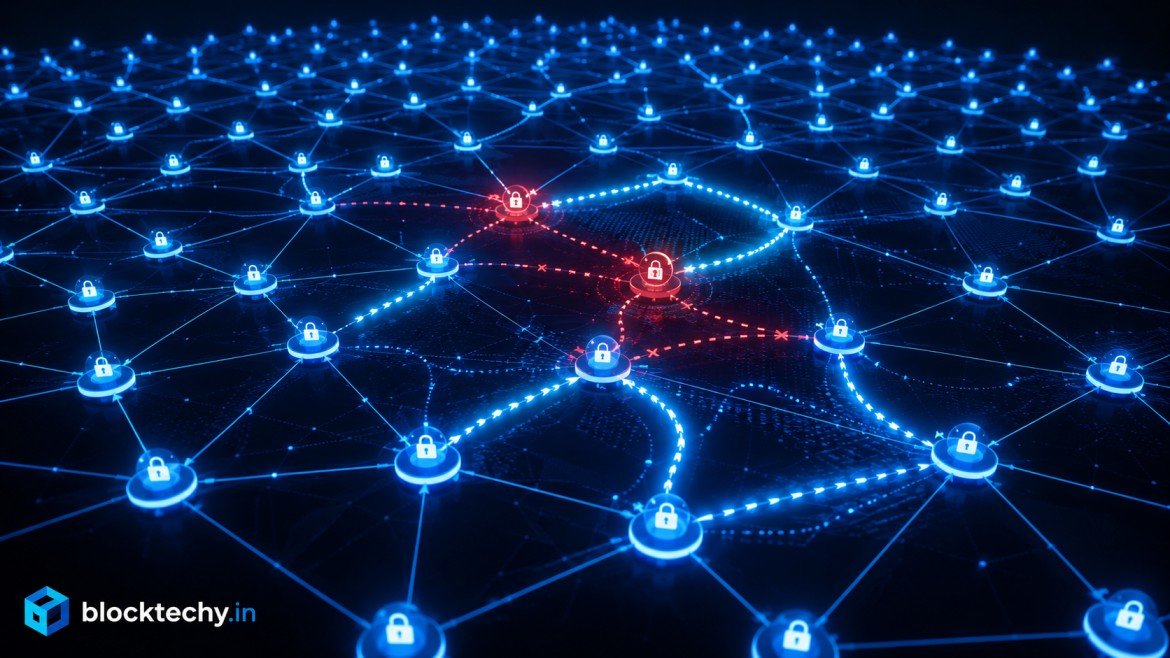
Centralized systems often store critical information on a single server or database. If attackers compromise that location, they can gain access to vast amounts of data.
Blockchain distributes information across multiple nodes. Even if one node is attacked, the network remains functional and secure. This decentralized structure significantly improves system resilience.
Strengthening Data Integrity
Ensuring that data remains accurate and unchanged is a fundamental cybersecurity requirement.
Blockchain creates immutable records that cannot be altered without network consensus. Every transaction is linked to previous records through cryptographic hashes, making unauthorized modifications highly visible.
This capability helps organizations maintain trustworthy data and detect tampering attempts.
Enhancing Transparency and Accountability
Many cybersecurity incidents are difficult to investigate because records may be incomplete or manipulated.
Blockchain automatically creates transparent and tamper-proof audit trails. Every action is recorded and timestamped, making it easier to trace activities and identify suspicious behavior.
This transparency improves accountability and supports compliance with regulatory requirements.
How Blockchain Improves Cybersecurity
Secure Identity Management
Identity theft is one of the fastest-growing cybercrimes worldwide. Traditional identity management systems often store user credentials in centralized databases, making them attractive targets for hackers.
Blockchain-based identity solutions allow users to control their digital identities through cryptographic keys rather than relying solely on passwords.
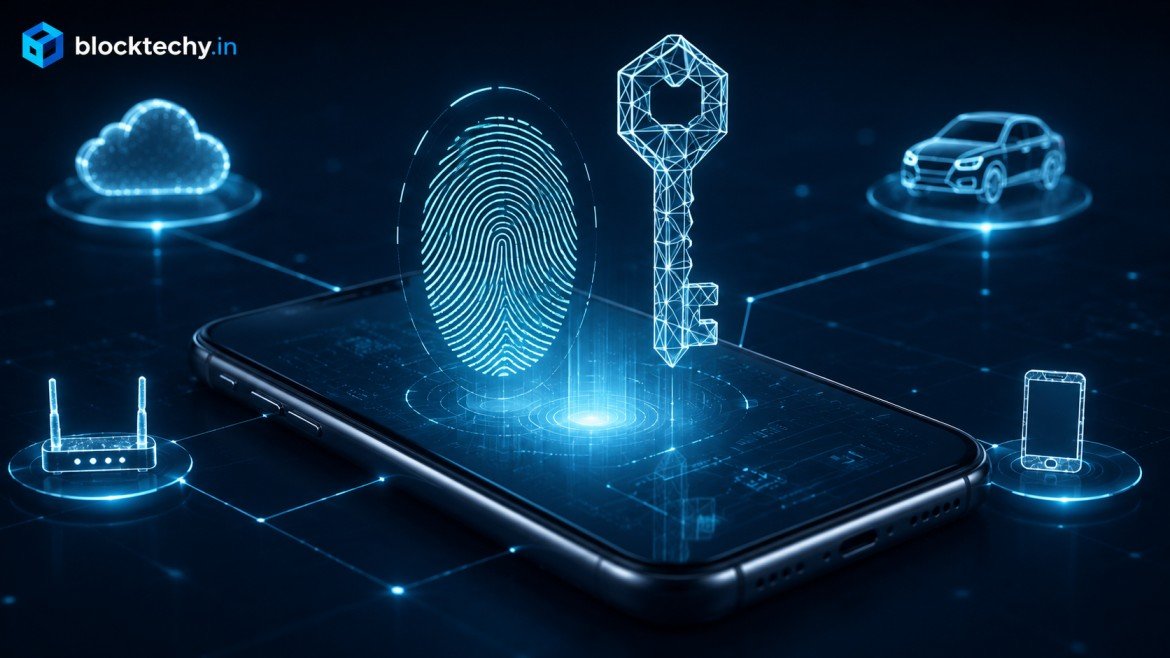
Advantages include:
- Reduced risk of identity theft
- Enhanced privacy
- Stronger authentication
- Greater user control
Decentralized identity systems can significantly improve digital trust and security.
Protecting Sensitive Data
Data breaches continue to affect millions of individuals and organizations each year.
Blockchain can improve data protection by enabling secure storage and controlled access to information. Instead of keeping complete datasets in a single location, organizations can use blockchain to verify data integrity and manage permissions securely.
This approach reduces the likelihood of large-scale breaches and unauthorized access.
Securing Internet of Things (IoT) Devices
The rapid growth of IoT devices has introduced new cybersecurity challenges. Many connected devices have limited security features, making them vulnerable to attacks.
Blockchain can help secure IoT ecosystems by:
- Verifying device identities
- Recording interactions securely
- Preventing unauthorized access
- Enhancing communication security
As smart homes, smart factories, and smart cities expand, blockchain’s role in IoT security will become increasingly important.
Improving Cloud Security
Cloud computing provides flexibility and scalability, but it also introduces concerns regarding data security and privacy.
Blockchain can strengthen cloud security by:
- Creating secure audit trails
- Verifying data integrity
- Improving access control
- Reducing reliance on centralized cloud providers
Organizations can use blockchain to enhance trust and transparency within cloud environments.
Real-World Applications of Blockchain in Cybersecurity
Financial Services
Banks and financial institutions are frequent targets of cyberattacks due to the valuable information and assets they manage.

Blockchain helps improve security through:
- Secure payment systems
- Fraud prevention
- Transaction verification
- Identity authentication
The decentralized nature of blockchain reduces opportunities for manipulation and unauthorized access.
Healthcare
Healthcare organizations handle sensitive patient records that require strong protection.
Blockchain enables:
- Secure electronic health records
- Controlled data sharing
- Improved patient privacy
- Tamper-resistant medical information
These capabilities help healthcare providers maintain compliance while improving patient trust.
Supply Chain Security
Global supply chains involve numerous participants and large volumes of data.
Blockchain provides end-to-end visibility and creates immutable records of product movement. This helps organizations:
- Detect counterfeit products
- Prevent fraud
- Verify authenticity
- Improve transparency
Enhanced supply chain security benefits both businesses and consumers.
Government and Public Services
Governments manage critical data related to citizens, taxation, voting systems, and public services.
Blockchain can support:
- Secure digital identities
- Transparent public records
- Election integrity
- Document verification
These applications can improve efficiency while strengthening public trust.
Blockchain and Emerging Cybersecurity Trends
Zero Trust Security
The Zero Trust model assumes that no user or device should be trusted automatically.
Blockchain supports Zero Trust principles by providing secure identity verification and continuous validation of transactions.

Artificial Intelligence Integration
Artificial Intelligence is increasingly used for threat detection and security monitoring.
Combining blockchain with AI can provide:
- Secure data for AI systems
- Transparent decision-making
- Enhanced threat intelligence
- Automated security responses
This partnership creates smarter and more resilient cybersecurity solutions.
Threat Intelligence Sharing
Organizations often hesitate to share cybersecurity information due to trust concerns.
Blockchain enables secure and transparent sharing of threat intelligence across organizations without relying on a central authority.
This collaborative approach improves collective defense against cyber threats.
Challenges of Blockchain in Cybersecurity
While blockchain offers many advantages, it also presents challenges.
Scalability
Some blockchain networks struggle to process large volumes of transactions quickly.
As adoption grows, scalability solutions must continue to evolve.
Energy Consumption
Certain blockchain consensus mechanisms require significant computational power and energy.
Although newer technologies are reducing energy requirements, sustainability remains a consideration.
Regulatory Uncertainty
Governments worldwide are still developing regulations for blockchain technologies.
Organizations must navigate evolving legal and compliance frameworks.
Technical Complexity
Implementing blockchain solutions often requires specialized expertise and infrastructure investments.
Many organizations face challenges integrating blockchain into existing systems.
Smart Contract Vulnerabilities
Smart contracts automate processes using code. However, coding errors can introduce security risks if not properly tested and audited.
The Future of Blockchain and Cybersecurity
The future relationship between blockchain and cybersecurity is expected to grow stronger as digital transformation accelerates.
Several developments are likely to shape this future:
Decentralized Digital Identity
Blockchain-based identities may eventually replace traditional password systems, improving security and reducing fraud.
Secure Data Ecosystems
Organizations will increasingly use blockchain to create trusted environments for data sharing and collaboration.
Enhanced Cyber Defense
Blockchain’s transparency and immutability will help organizations detect and respond to cyber threats more effectively.
Integration with Emerging Technologies
Blockchain will continue to integrate with technologies such as AI, machine learning, cloud computing, and quantum-resistant cryptography.
These innovations will create stronger security frameworks capable of addressing future threats.
Conclusion
Cybersecurity has become one of the most important challenges of the digital era. As cyber threats continue to evolve, organizations must adopt innovative technologies that provide stronger protection, greater transparency, and enhanced trust.
Blockchain offers a powerful solution by addressing many of the weaknesses found in traditional cybersecurity systems. Through decentralization, immutability, cryptographic security, and transparent record-keeping, blockchain enhances data protection, strengthens identity management, secures digital transactions, and improves system resilience.
Although challenges such as scalability, energy consumption, and regulatory uncertainty remain, ongoing advancements are making blockchain increasingly practical for real-world cybersecurity applications.
The powerful connection between blockchain and cybersecurity represents more than a technological advancement—it represents a new approach to protecting digital assets and building trust in an increasingly connected world. As organizations continue to embrace digital transformation, blockchain is poised to become a key pillar of modern cybersecurity strategies, helping create a safer, more secure, and more trustworthy digital future.
Follow this link to join my WhatsApp group: https://chat.whatsapp.com/JvmrMTxkdgt9u6kGMT73XY