Introduction
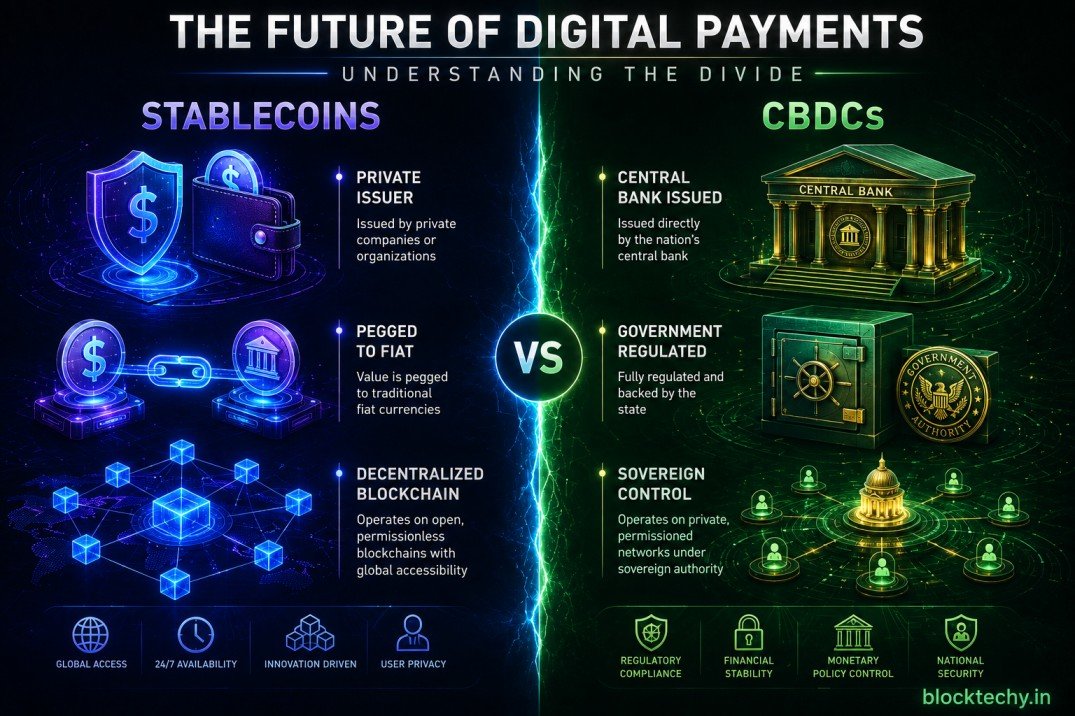
The way people send, receive, and store money is changing faster than ever. Cash payments are steadily declining, digital wallets have become mainstream, and cryptocurrencies have introduced entirely new ways to transfer value globally. Amid this financial transformation, two major innovations have emerged as potential foundations of the future economy: Stablecoins and Central Bank Digital Currencies (CBDCs).
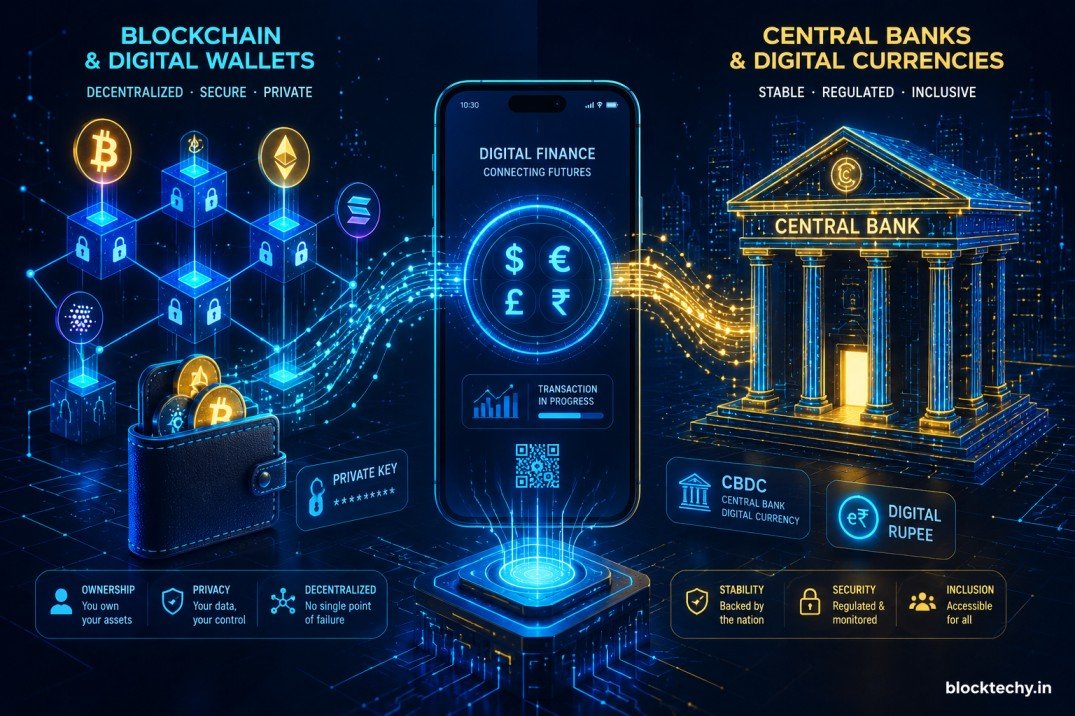
Although both are digital forms of money designed to maintain stable value, they are fundamentally different in terms of ownership, governance, technology, regulation, and purpose. Stablecoins are generally issued by private companies and operate primarily on blockchain networks, while CBDCs are digital versions of national currencies issued directly by central banks.
As governments, financial institutions, and technology companies continue investing billions into digital payment infrastructure, understanding the difference between Stablecoins and CBDCs has become essential for businesses, investors, developers, and everyday users alike.
In this comprehensive guide, we’ll explore how Stablecoins and CBDCs work, compare their features, examine their advantages and disadvantages, and discuss which technology may dominate the future of digital payments.
What Are Stablecoins?
A Stablecoin is a cryptocurrency designed to maintain a stable price by being pegged to another asset, usually a fiat currency such as the US Dollar, Euro, or another reserve asset like gold.

Unlike traditional cryptocurrencies such as Bitcoin or Ethereum, whose prices fluctuate significantly, Stablecoins aim to provide the benefits of blockchain technology without extreme volatility.
For example:
- 1 Stablecoin = approximately $1
- Value remains relatively constant
- Suitable for payments and savings
The stability is achieved through various mechanisms including cash reserves, government bonds, cryptocurrencies, or smart contract algorithms.
Popular Stablecoins
Some of the most widely used Stablecoins include:
- USDT (Tether)
- USDC (USD Coin)
- DAI
- FDUSD
- PYUSD (PayPal USD)
Together, these Stablecoins process billions of dollars in transactions every day across decentralized finance (DeFi), exchanges, remittances, and international settlements.
Types of Stablecoins
1. Fiat-Collateralized Stablecoins
These are backed by real-world fiat currency held in reserve.
Example:
- $1 deposited in a bank
- 1 Stablecoin issued
Examples include:
- USDC
- USDT
Advantages
- High stability
- Easy to understand
- Popular among institutions
Disadvantages
- Requires trust in the issuer
- Centralized reserves
2. Crypto-Collateralized Stablecoins
Instead of fiat currency, these Stablecoins are backed by cryptocurrencies.
Example:
- Ethereum deposited as collateral
- Stablecoins minted against it
Example:
- DAI
These usually require over-collateralization because crypto assets are volatile.
3. Algorithmic Stablecoins
These maintain stability using algorithms and smart contracts instead of reserves.
Supply increases or decreases automatically based on market demand.
Although innovative, several algorithmic Stablecoins have failed dramatically, making this model less trusted today.
What Are CBDCs?
A Central Bank Digital Currency (CBDC) is a digital version of a country’s official currency issued and controlled directly by its central bank.

Unlike Stablecoins, CBDCs represent sovereign money.
Examples include:
- Digital Rupee
- Digital Yuan
- Digital Euro (under development)
- Digital Pound (research phase)
CBDCs are considered legal tender just like paper cash.
If a country issues a Digital Dollar, every digital dollar carries the same government guarantee as physical currency.
Why Are Governments Developing CBDCs?
Central banks are introducing CBDCs to modernize payment systems while maintaining monetary sovereignty.
Major goals include:
- Faster payments
- Lower transaction costs
- Financial inclusion
- Reduced cash handling
- Better cross-border settlements
- Enhanced anti-money laundering measures
- Competition against private cryptocurrencies
Governments also want to reduce dependence on foreign payment systems.
How Stablecoins Work
A Stablecoin issuer typically follows these steps:
- User deposits fiat currency.
- Company issues equivalent Stablecoins.
- Stablecoins circulate on blockchain networks.
- Users transfer them globally within minutes.
- Tokens can later be redeemed for fiat.
Blockchain ensures transparent transaction history while smart contracts automate transfers.
How CBDCs Work
CBDCs operate under central bank control.
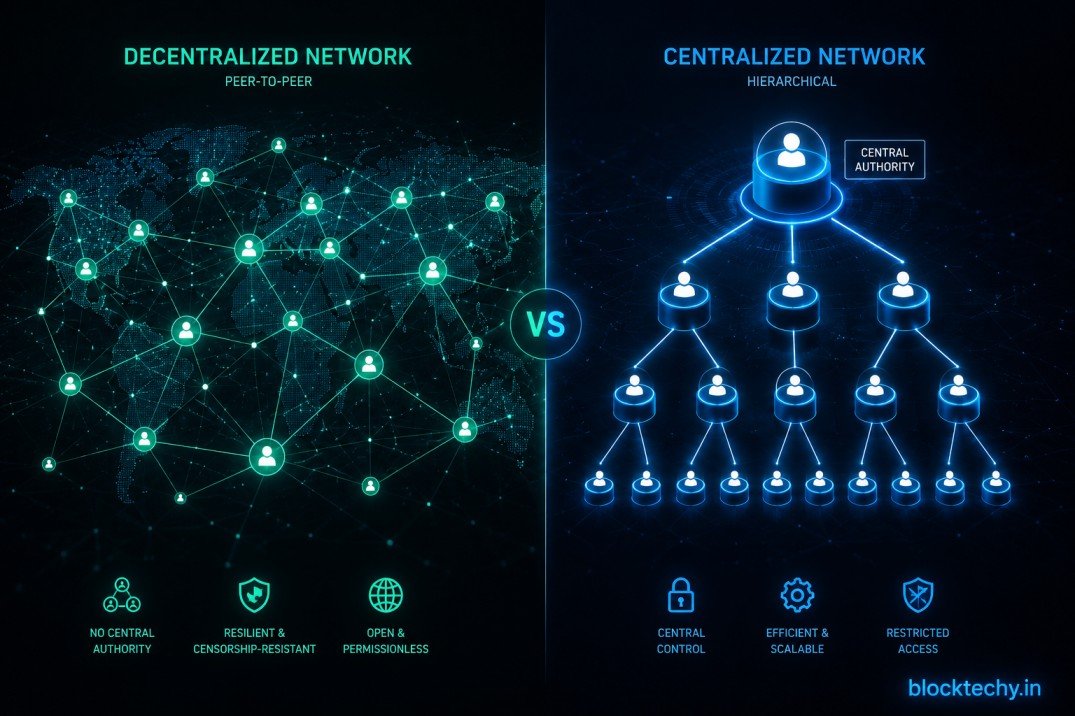
The process generally looks like this:
- Central bank creates digital currency.
- Commercial banks distribute it.
- Citizens hold CBDCs in approved wallets.
- Transactions settle almost instantly.
- Central bank records issuance and supply.
Depending on the country’s design, CBDCs may use blockchain, distributed ledger technology (DLT), or traditional centralized databases.
Stablecoins vs CBDCs: Feature Comparison
| Feature | Stablecoins | CBDCs |
|---|---|---|
| Issuer | Private companies | Central Bank |
| Value | Usually pegged to fiat | National currency |
| Regulation | Varies by country | Government regulated |
| Legal Tender | No | Yes |
| Technology | Blockchain | Blockchain or centralized systems |
| Transparency | Public blockchain (often) | Depends on government |
| Monetary Policy | None | Controlled by central bank |
| Privacy | Varies | Government-defined |
| Cross-border Payments | Excellent | Depends on implementation |
Advantages of Stablecoins
1. Fast Global Transfers
Users can send funds across countries within minutes without relying on traditional banking hours.
2. Low Transaction Fees
Many blockchain networks offer significantly cheaper transfers compared to conventional international payment systems.
3. DeFi Integration
Stablecoins power decentralized finance applications including:
- Lending
- Borrowing
- Yield farming
- Decentralized exchanges
- Liquidity pools
4. 24/7 Availability
Unlike banks, blockchain networks operate continuously without weekends or holidays.
5. Financial Innovation
Developers can integrate Stablecoins into decentralized applications, online marketplaces, gaming platforms, and Web3 ecosystems.
Advantages of CBDCs
Government Backing
CBDCs are backed by the full faith and credit of the issuing government, reducing default risk.
Stable Monetary System
Central banks retain control over money supply and monetary policy, helping manage inflation and economic stability.
Improved Payment Efficiency
CBDCs can reduce settlement times and streamline domestic payment infrastructure.
Financial Inclusion
Citizens without traditional bank accounts may gain access to digital financial services through government-supported wallets.
Reduced Fraud
Programmable compliance and stronger identity verification can help combat fraud, money laundering, and counterfeit currency.
Challenges of Stablecoins
Despite their benefits, Stablecoins face several challenges:
Regulatory Uncertainty
Different countries have varying regulations, creating uncertainty for issuers and users.
Reserve Transparency
Users must trust that reserves actually exist and are properly managed.
Counterparty Risk
The issuing company could face operational, financial, or legal problems.
Depegging Risk
In extreme market conditions, a Stablecoin may temporarily lose its peg to the underlying asset.
Challenges of CBDCs
CBDCs also present important concerns.
Privacy Issues
Some citizens worry governments could monitor every transaction, raising questions about financial privacy.
Cybersecurity
National digital currencies require robust protection against hacking, system failures, and cyberattacks.
Banking Impact
If individuals hold large amounts of CBDCs directly, commercial banks could experience reduced deposits, affecting lending capacity.
High Development Costs
Building secure, scalable digital currency infrastructure requires significant investment and ongoing maintenance.
Real-World Use Cases
Stablecoins
Stablecoins are already widely used for:
- International remittances
- Cryptocurrency trading
- DeFi applications
- Payroll for remote workers
- Online commerce
- Cross-border business payments
CBDCs
CBDCs are being explored for:
- Government welfare distribution
- Tax payments
- Public sector salaries
- Retail payments
- Interbank settlements
- National payment modernization
Can Stablecoins and CBDCs Coexist?
Yes. In fact, many experts believe they will complement rather than replace each other.

A possible future could look like this:
- Governments use CBDCs for public services and domestic payments.
- Businesses use Stablecoins for global commerce and blockchain-based applications.
- Banks integrate both into digital wallets.
- Consumers choose the option that best suits their needs.
Rather than competing directly, each may serve different segments of the financial ecosystem.
The Future of Digital Payments
The next decade is expected to bring significant innovation in digital finance. Several trends are likely to shape the future:
1. Increased Stablecoin Regulation
Governments worldwide are introducing clearer regulatory frameworks to enhance consumer protection and financial stability.
2. Expansion of CBDC Pilots
More central banks are expected to launch pilot programs and gradually expand digital currency initiatives.
3. Cross-Border Payment Improvements
Interoperability between payment systems could make international transfers faster, cheaper, and more efficient.
4. Programmable Money
Smart contracts may enable automated payments, conditional transfers, and machine-to-machine transactions.
5. Greater Financial Inclusion
Digital payment solutions could provide millions of unbanked individuals with access to secure financial services through mobile devices.
Which One Is Better?
The answer depends on the use case.
Choose Stablecoins if you need:
- Global crypto payments
- DeFi participation
- Blockchain integration
- International business transactions
- Web3 applications
Choose CBDCs if you prefer:
- Government-backed digital money
- Domestic payments
- Legal tender status
- Regulatory certainty
- Public financial services
Neither solution is universally superior. Stablecoins prioritize innovation and interoperability, while CBDCs emphasize stability, trust, and sovereign control.
Conclusion
Stablecoins and CBDCs represent two distinct visions for the future of digital money. Stablecoins have demonstrated the power of blockchain to enable fast, borderless, and programmable transactions, making them a cornerstone of decentralized finance and global commerce. CBDCs, on the other hand, aim to modernize national payment systems while preserving the role of central banks and ensuring monetary stability.
As regulations evolve and technology matures, it is increasingly likely that both systems will coexist, each serving different needs within the global financial ecosystem. Businesses may leverage Stablecoins for international settlements and blockchain-based applications, while governments deploy CBDCs for secure domestic payments, public services, and economic policy implementation.
For consumers, the future will likely offer greater choice, faster transactions, lower costs, and broader access to digital financial services. Understanding how Stablecoins and CBDCs differ today will help individuals and organizations make informed decisions as digital payments continue to transform the global economy.
Frequently Asked Questions (FAQs)
1. Are Stablecoins and CBDCs the same?
No. Stablecoins are generally issued by private organizations and are pegged to stable assets, while CBDCs are official digital currencies issued by central banks.
2. Are Stablecoins safe?
Many well-established Stablecoins are designed to maintain a stable value, but their safety depends on factors such as reserve backing, transparency, governance, and regulatory compliance.
3. Can CBDCs replace cash?
Most central banks envision CBDCs as a complement to physical cash rather than a complete replacement, though usage patterns may evolve over time.
4. Which is better for international payments?
Stablecoins currently have an advantage in many cross-border blockchain-based payment scenarios due to their global accessibility and interoperability.
5. Will Stablecoins disappear if CBDCs become widespread?
Not necessarily. Many analysts expect Stablecoins and CBDCs to coexist, serving different markets and use cases.
Follow this link to join my WhatsApp group:
https://chat.whatsapp.com/JvmrMTxkdgt9u6kGMT73XY