Introduction
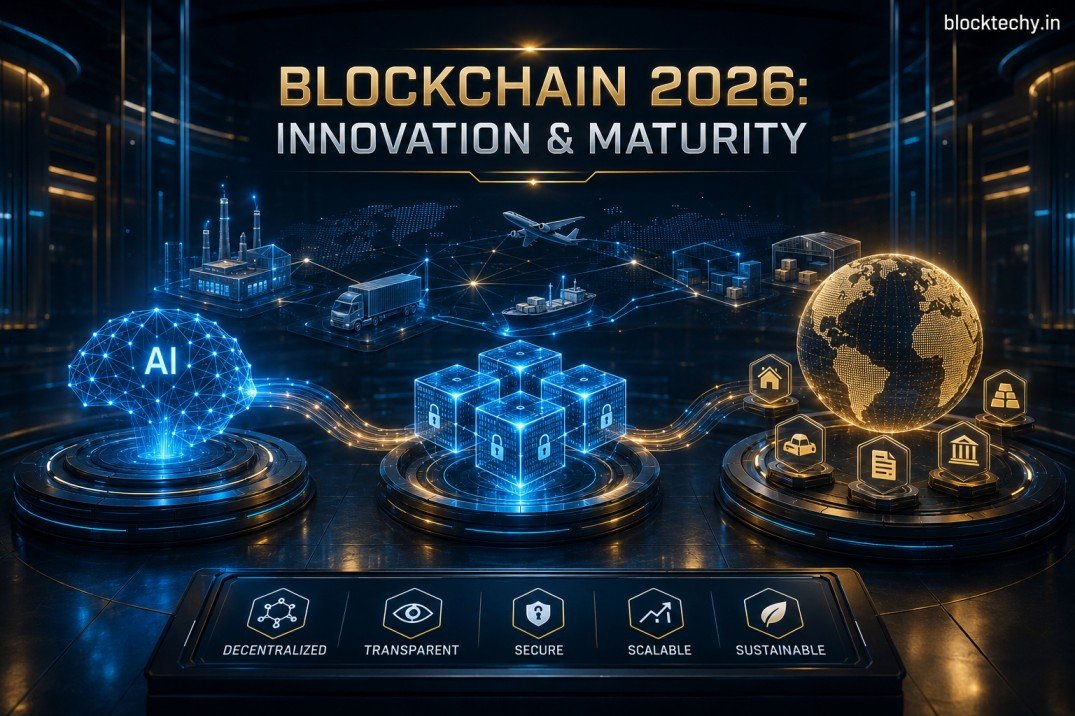
Blockchain technology has evolved far beyond its original use case as the foundation for cryptocurrencies. What began with Bitcoin in 2009 has transformed into a powerful technology capable of revolutionizing industries such as finance, healthcare, supply chain management, real estate, education, and digital identity. In 2026, blockchain continues to be one of the most influential technologies driving digital transformation across the globe.
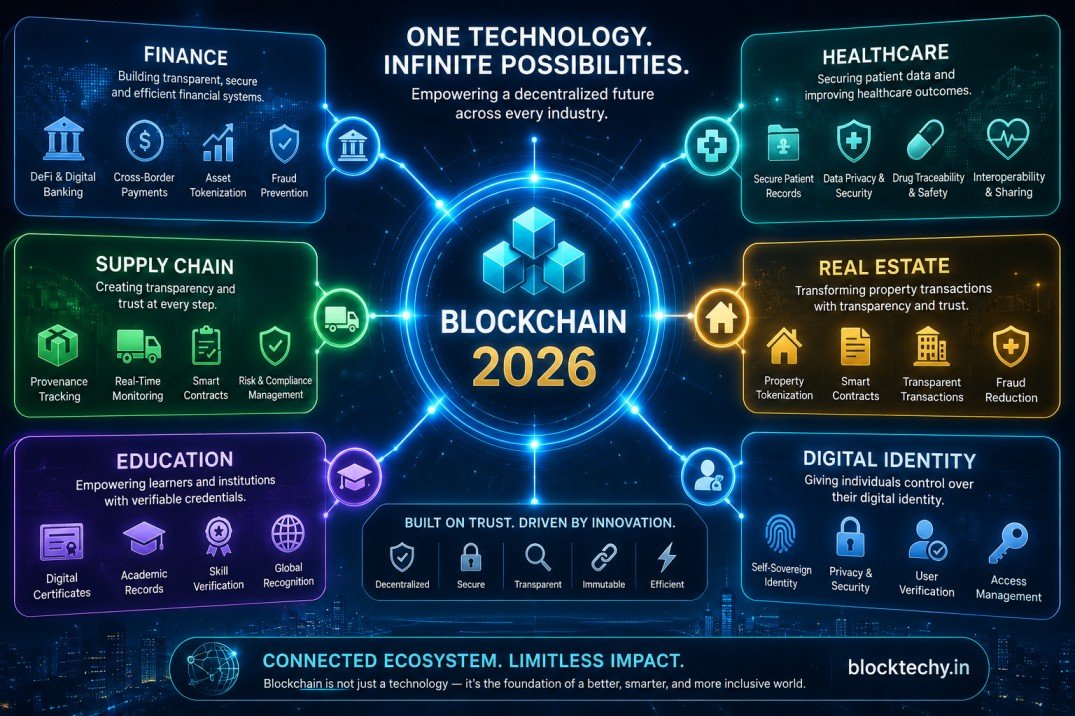
Organizations, governments, and startups are increasingly adopting blockchain solutions to improve transparency, security, efficiency, and trust in digital systems. At the same time, innovations such as Artificial Intelligence (AI), Web3, tokenization, and decentralized identity are expanding the capabilities of blockchain and creating new opportunities for businesses and individuals.
This article explores the future of blockchain technology, highlighting the latest trends, innovations, challenges, and potential impacts on society.
Understanding Blockchain Technology
Blockchain is a decentralized and distributed digital ledger that records transactions across multiple computers. Unlike traditional databases controlled by a central authority, blockchain ensures that data is transparent, secure, and resistant to tampering.
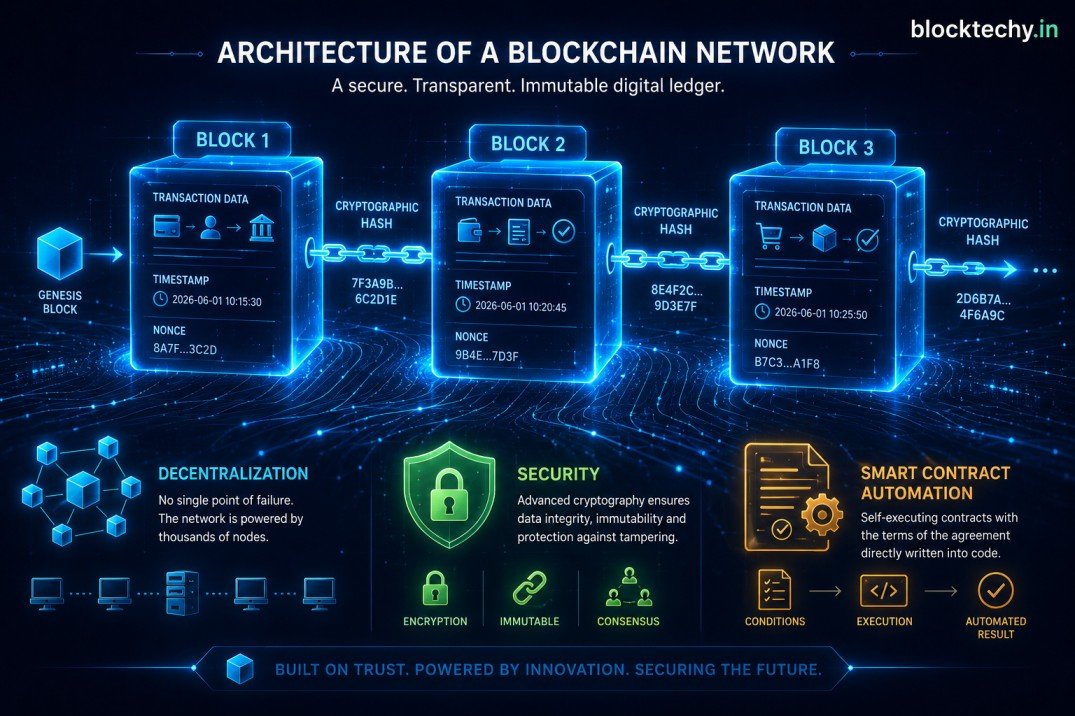
Each block contains transaction data, a timestamp, and a cryptographic hash linking it to the previous block. This structure creates a secure chain of information that cannot be altered without consensus from the network participants.
Key features of blockchain include:
– Decentralization
– Transparency
– Security
– Immutability
– Traceability
– Smart Contract Automation
These characteristics make blockchain suitable for applications requiring trust, accountability, and data integrity.
The Rise of AI and Blockchain Integration
One of the most exciting developments in 2026 is the integration of Artificial Intelligence with blockchain technology.
AI systems rely heavily on data for training and decision-making. However, concerns about data authenticity, privacy, and transparency continue to grow. Blockchain provides a solution by creating secure and verifiable data sources.
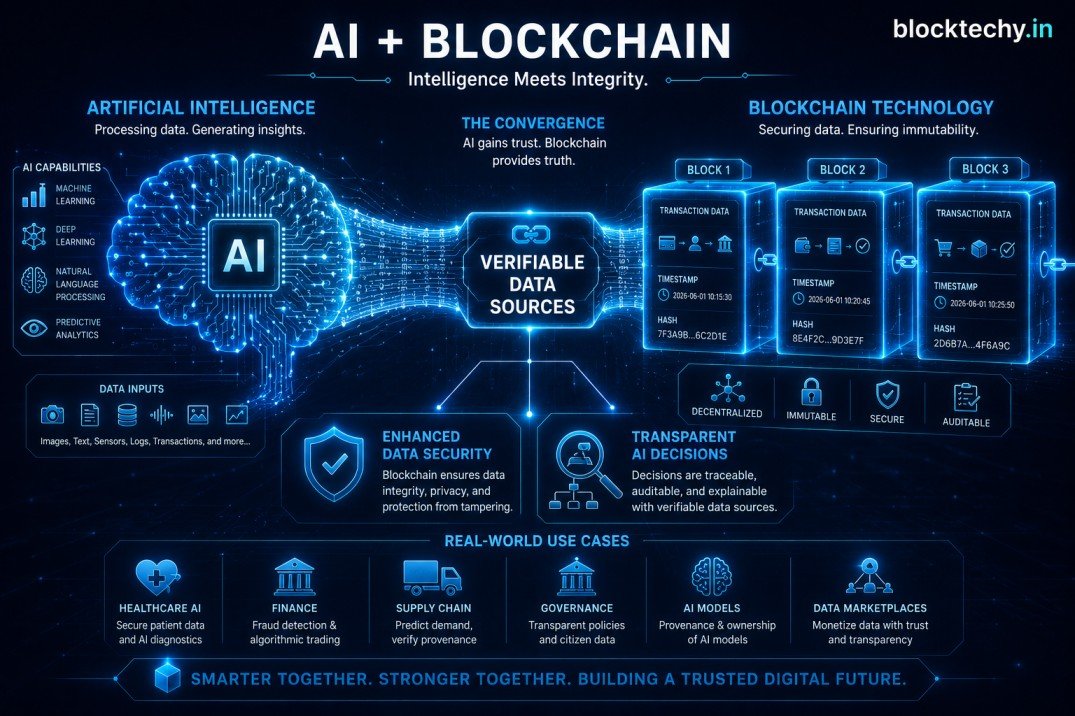
Benefits of AI and Blockchain Integration:
Enhanced Data Security
Blockchain ensures that AI models receive accurate and tamper-proof data, improving reliability and reducing manipulation risks.
Transparent AI Decisions
Blockchain can record AI decision-making processes, allowing users to verify how outcomes were generated.
Decentralized AI Networks
Developers can create decentralized AI platforms where users contribute computing power, datasets, and algorithms while maintaining ownership and privacy.
Improved Trust
Combining AI with blockchain increases transparency and accountability, making AI systems more trustworthy.
The convergence of AI and blockchain is expected to drive innovations in healthcare, finance, cybersecurity, and autonomous systems.
Real-World Asset Tokenization
Asset tokenization has become one of the most significant blockchain trends in recent years.
Tokenization refers to converting ownership rights of real-world assets into digital tokens on a blockchain network.
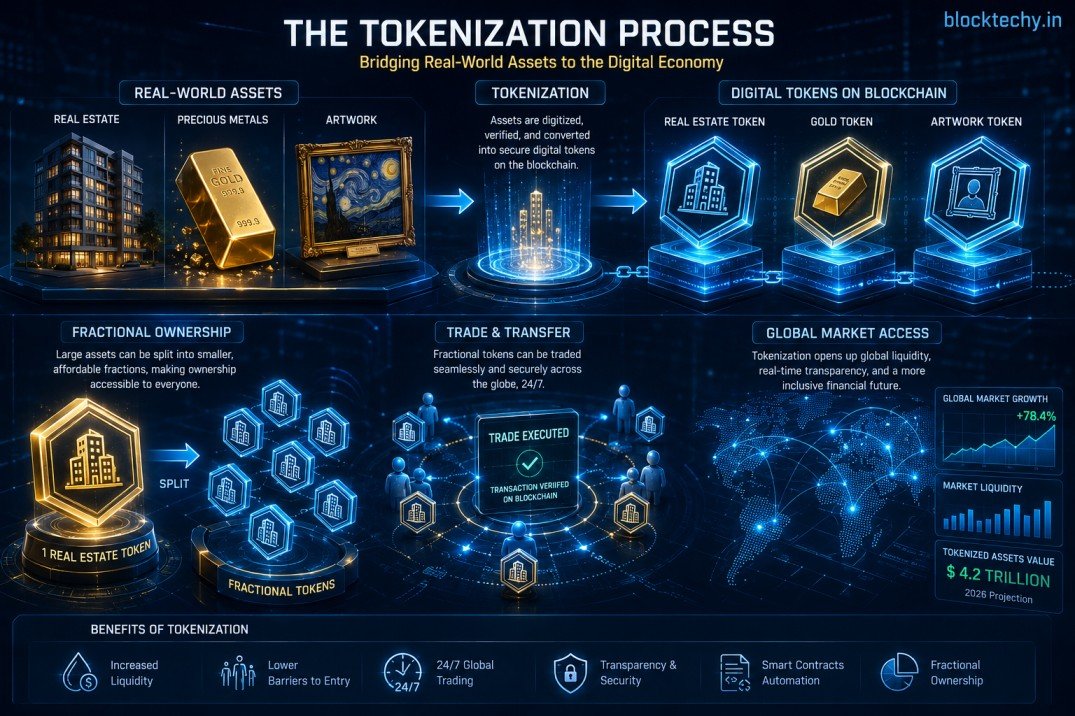
Examples include:
– Real estate
– Stocks
– Bonds
– Precious metals
– Artworks
– Intellectual property
Benefits of Tokenization
Fractional Ownership
Investors can purchase small portions of expensive assets, making investments more accessible.
Increased Liquidity
Traditionally illiquid assets can be traded efficiently on blockchain-based marketplaces.
Reduced Costs
Automation eliminates intermediaries and reduces transaction expenses.
Global Accessibility
Investors worldwide can participate in markets previously restricted by geographical barriers.
As regulations become clearer, tokenized assets are expected to become a major component of global financial markets.
Decentralized Identity (DID)
Digital identity management remains a critical challenge in today’s interconnected world.
Traditional identity systems are centralized, making them vulnerable to data breaches and identity theft. Blockchain-based decentralized identity solutions offer a more secure alternative.
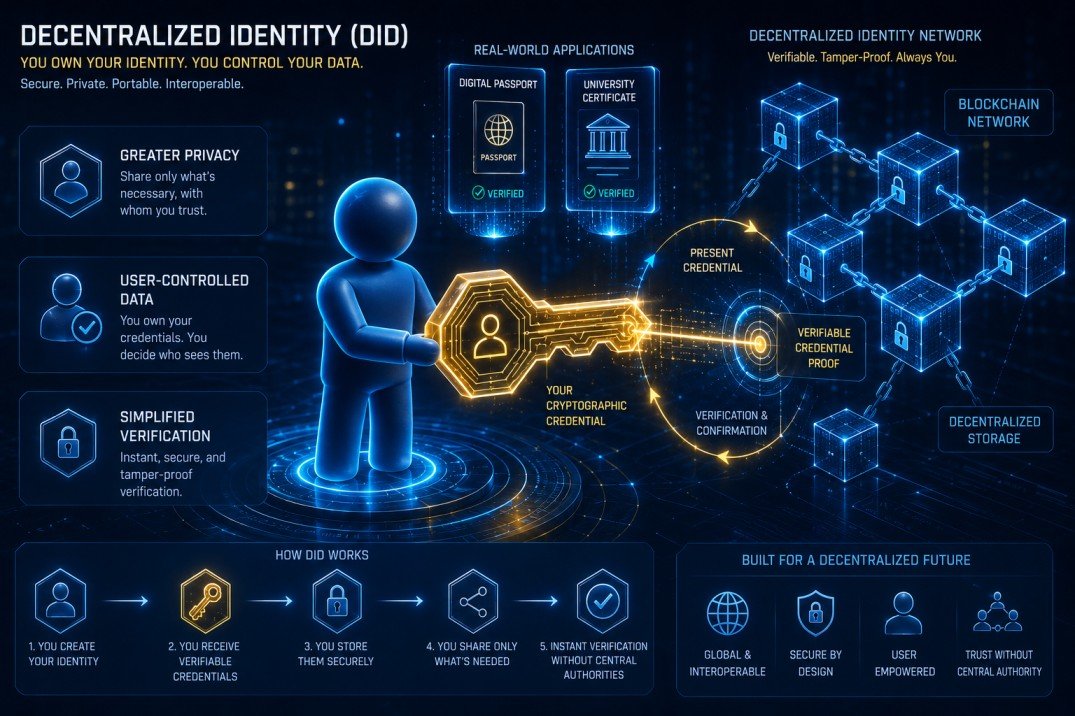
How DID Works
Individuals maintain control of their personal information through cryptographic credentials stored on blockchain networks.
Instead of sharing sensitive information repeatedly, users can verify their identity securely while preserving privacy.
Benefits
– Greater privacy
– Reduced identity fraud
– User-controlled data
– Simplified verification processes
– Improved cybersecurity
Governments, universities, and enterprises are increasingly exploring decentralized identity systems for passports, certificates, and employee verification.
Web3 and the Decentralized Internet
Web3 represents the next evolution of the internet powered by blockchain technology.
Unlike Web2 platforms controlled by large corporations, Web3 aims to create a decentralized digital ecosystem where users own their data and digital assets.
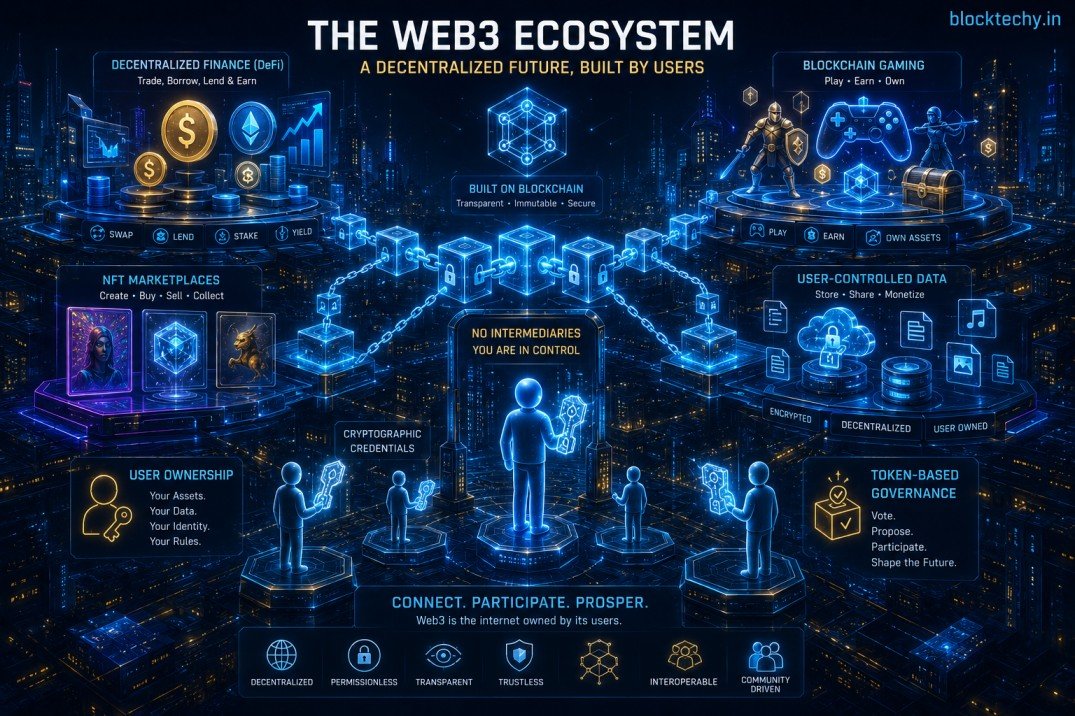
Key Characteristics of Web3
– User ownership
– Decentralized applications (dApps)
– Cryptocurrency payments
– Token-based governance
– Enhanced privacy
Web3 empowers users by reducing dependence on centralized platforms and enabling direct participation in digital economies.
Popular Web3 applications include:
– Decentralized finance (DeFi)
– Blockchain gaming
– NFT marketplaces
– Social media platforms
– Digital identity systems
As adoption increases, Web3 is expected to reshape the internet landscape significantly.
Smart Contracts and Automation
Smart contracts are self-executing agreements with predefined rules written directly into code.
When specified conditions are met, the contract automatically performs actions without requiring intermediaries.
Applications of Smart Contracts
Finance
Automated lending, borrowing, and insurance claims.
Real Estate
Property transfers and rental agreements.
Supply Chains
Automatic payment releases upon delivery confirmation.
Healthcare
Secure management of patient records and insurance processes.
Advantages
– Reduced operational costs
– Increased efficiency
– Improved accuracy
– Enhanced transparency
– Faster transaction processing
The continued development of smart contract platforms is accelerating business automation across industries.
Blockchain in Supply Chain Management
Supply chain transparency has become increasingly important in today’s global economy.
Blockchain enables organizations to track products from origin to destination using a secure and immutable record system.
Benefits
Product Authenticity
Consumers can verify the origin and authenticity of goods.
Reduced Fraud
Tamper-proof records help prevent counterfeit products.
Better Traceability
Organizations can quickly identify issues within supply chains.
Improved Efficiency
Automated documentation reduces paperwork and delays.
Industries such as food, pharmaceuticals, luxury goods, and manufacturing are adopting blockchain-based supply chain solutions to improve accountability and trust.
Blockchain in Healthcare
Healthcare organizations manage vast amounts of sensitive patient data.
Blockchain technology offers secure methods for storing, sharing, and verifying medical information.
Potential Applications
– Electronic health records
– Medical research data sharing
– Drug supply chain tracking
– Insurance claims management
– Patient identity verification
Benefits
Enhanced Security
Patient information remains protected through encryption and decentralization.
Better Interoperability
Healthcare providers can securely exchange records.
Reduced Administrative Costs
Automation streamlines healthcare operations.
Improved Patient Control
Patients gain greater ownership over their medical data.
Blockchain has the potential to significantly improve healthcare efficiency and data security worldwide.
Zero-Knowledge Proofs and Privacy
Privacy remains a major concern in blockchain networks.
Zero-Knowledge Proofs (ZKPs) are cryptographic methods that allow users to prove information without revealing the underlying data.
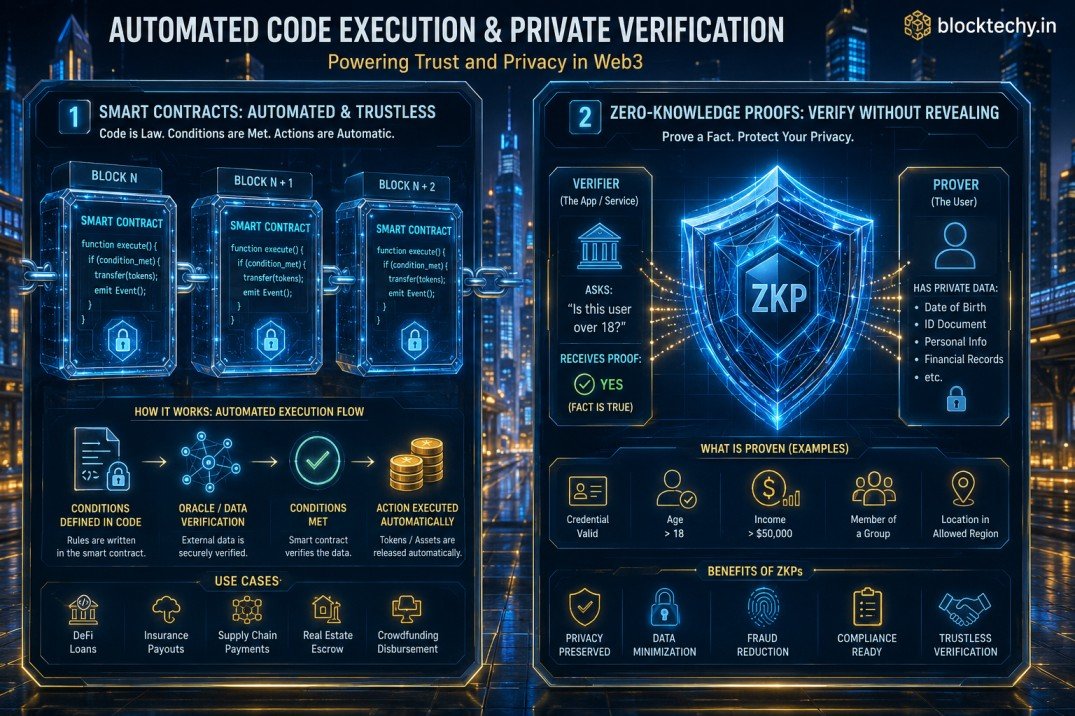
Example
A user can verify they are over 18 years old without disclosing their exact birth date.
Advantages
– Enhanced privacy
– Regulatory compliance
– Improved security
– Greater scalability
ZK technology is increasingly being adopted by blockchain platforms to balance transparency with privacy requirements.
Cross-Chain Interoperability
The blockchain ecosystem consists of numerous independent networks.
However, limited communication between these networks creates inefficiencies.
Cross-chain interoperability enables different blockchains to exchange data and assets seamlessly.
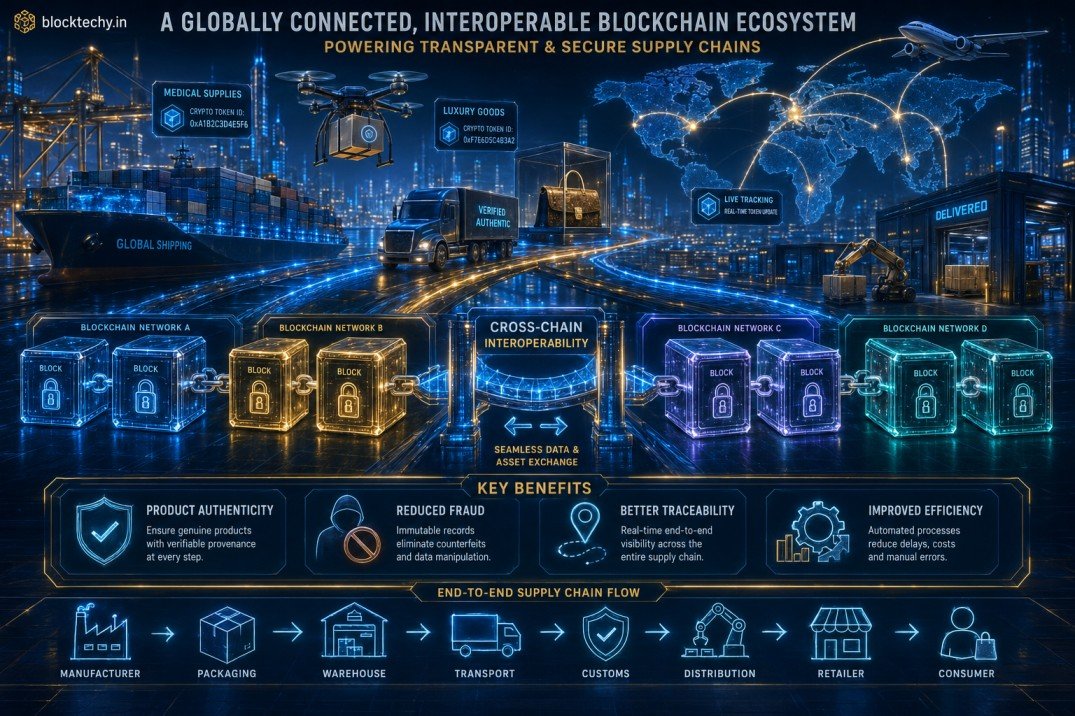
Benefits
– Improved scalability
– Greater flexibility
– Better user experiences
– Enhanced ecosystem collaboration
Interoperability solutions are expected to play a vital role in creating a connected blockchain future.
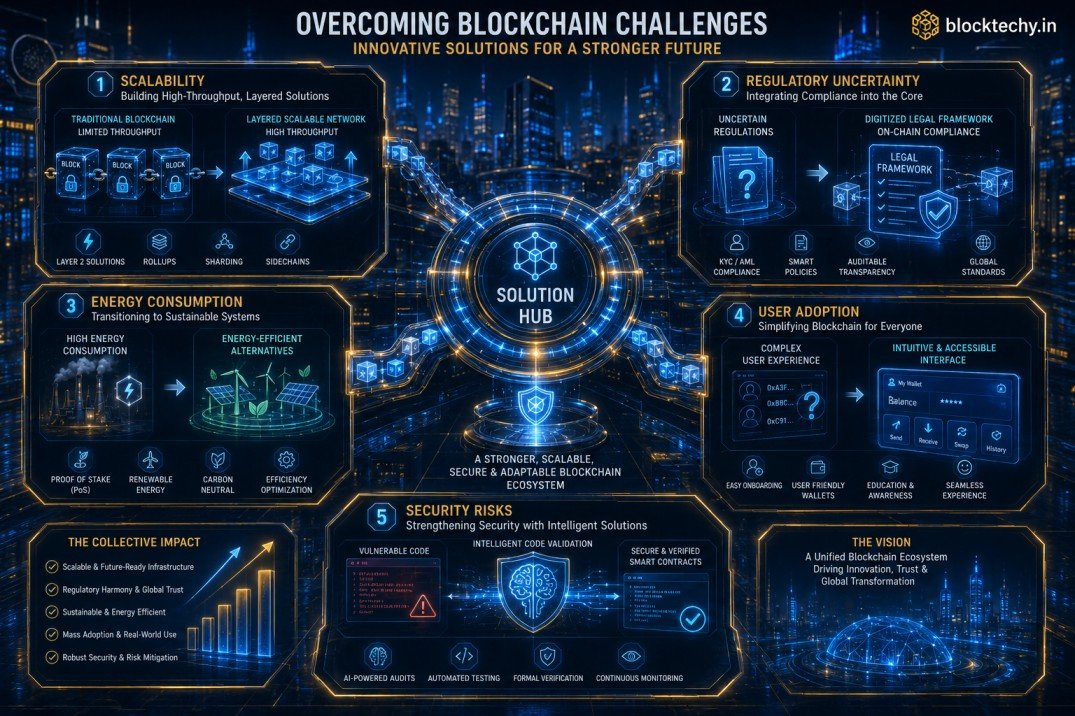
Challenges Facing Blockchain Technology
Despite its tremendous potential, blockchain still faces several challenges.
Scalability
Many blockchain networks struggle to process large transaction volumes efficiently.
Regulatory Uncertainty
Governments continue developing legal frameworks for blockchain applications and digital assets.
Energy Consumption
Some consensus mechanisms consume significant computational resources.
User Adoption
Blockchain solutions often require technical knowledge that can limit widespread adoption.
Security Risks
Smart contract vulnerabilities and cyberattacks remain ongoing concerns.
Addressing these challenges will be essential for achieving mainstream blockchain adoption.
The Future Outlook
Blockchain technology is entering a new phase of maturity and innovation. As scalability improves and regulations become clearer, adoption is expected to accelerate across industries.
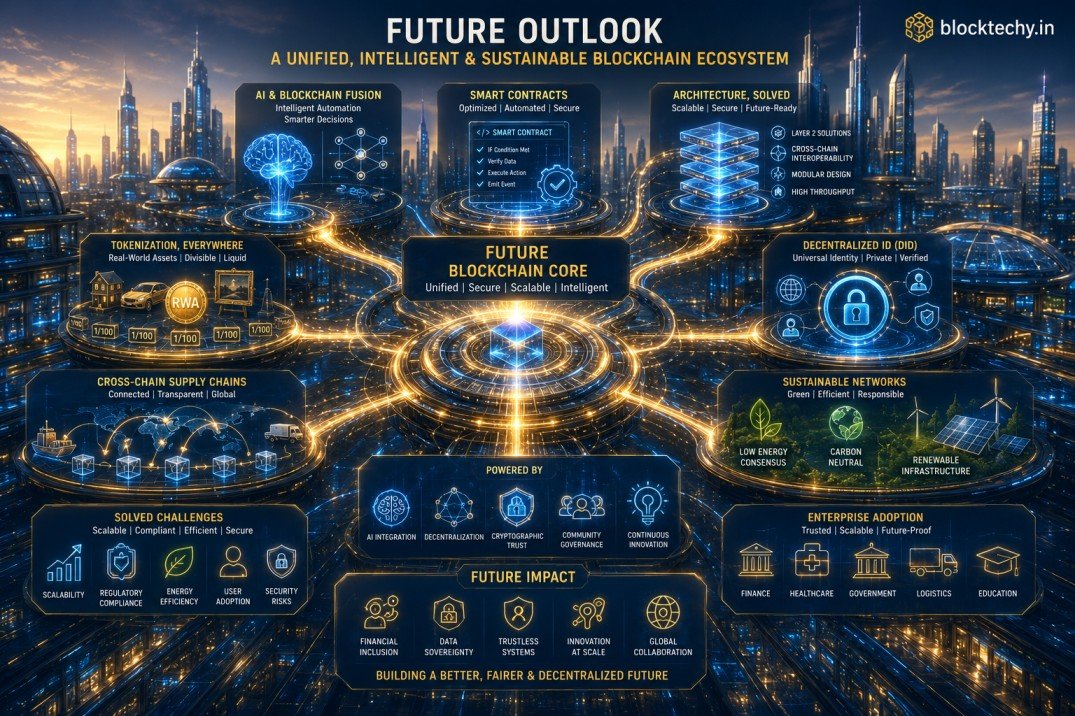
Key developments likely to shape the future include:
– AI-powered blockchain applications
– Tokenized financial markets
– Decentralized digital identity systems
– Web3 ecosystem expansion
– Advanced privacy technologies
– Sustainable blockchain networks
– Enterprise blockchain adoption
Businesses that embrace blockchain innovation today will be better positioned to compete in the increasingly digital economy of tomorrow.
Conclusion
Blockchain technology has evolved from a niche innovation into a transformative force with the potential to reshape industries and society. In 2026, emerging trends such as AI integration, asset tokenization, decentralized identity, Web3, smart contracts, and privacy-enhancing technologies are driving blockchain adoption to new heights.
While challenges remain, ongoing advancements continue to improve scalability, security, and usability. As governments, enterprises, and individuals recognize the value of decentralized systems, blockchain is expected to become an essential component of the global digital infrastructure.
The future of blockchain is not merely about cryptocurrencies—it is about creating a more transparent, secure, efficient, and decentralized world. Organizations that understand and leverage these innovations will play a significant role in shaping the next generation of the digital economy.
Follow this link to join my WhatsApp group: https://chat.whatsapp.com/JvmrMTxkdgt9u6kGMT73XY