Introduction
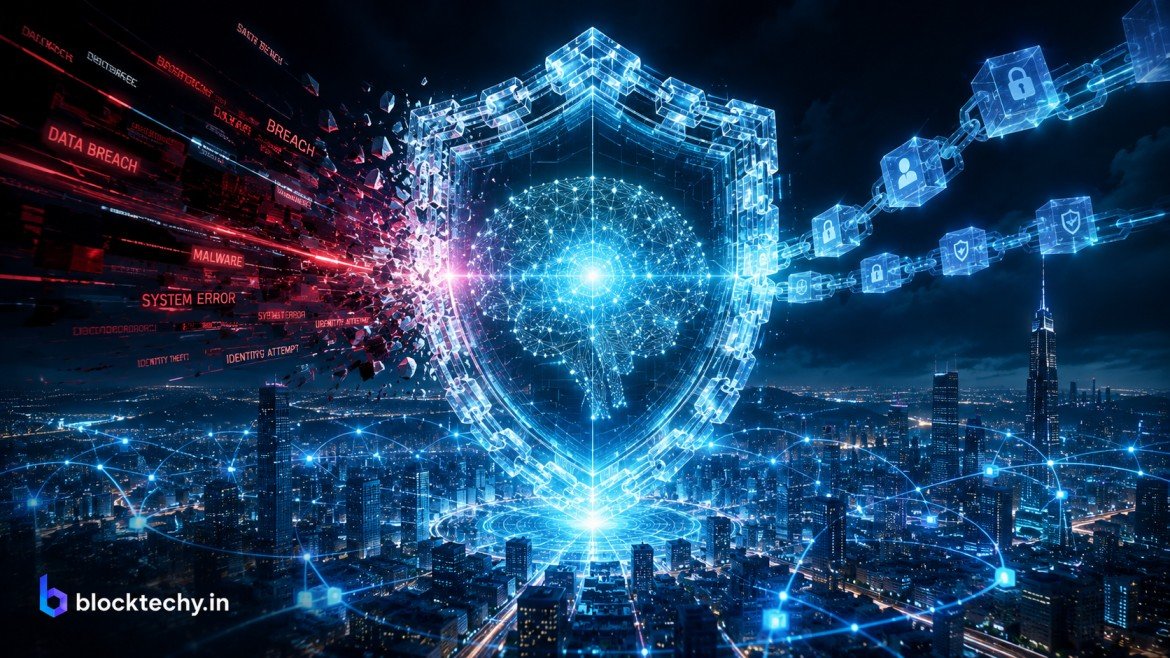
The digital revolution has transformed nearly every aspect of modern life. From online banking and e-commerce to healthcare systems and smart cities, technology has become deeply integrated into our daily activities. At the same time, the rise of Artificial Intelligence (AI) has accelerated innovation, enabling machines to analyze data, automate processes, and make intelligent decisions faster than ever before. However, these advancements have also introduced new cybersecurity challenges. Cybercriminals are increasingly using sophisticated tools, including AI-powered attacks, to exploit vulnerabilities, steal sensitive information, and disrupt critical systems.
In this rapidly evolving digital landscape, trust has become one of the most valuable assets. Individuals, businesses, and governments need assurance that their data is secure, transactions are authentic, and digital systems are reliable. This is where blockchain technology emerges as a powerful solution. By combining decentralization, transparency, and cryptographic security, blockchain offers innovative ways to strengthen cybersecurity and build digital trust.
The convergence of blockchain, cybersecurity, and AI represents a transformative shift in how organizations protect information and maintain trust in the digital age. This article explores the role of blockchain in cybersecurity, its relationship with AI, real-world applications, challenges, and its potential to create a safer digital future.
Understanding the Importance of Digital Trust
Digital trust refers to the confidence that users have in the security, privacy, and reliability of digital technologies and online interactions. Every time people make online payments, share personal information, access cloud services, or interact with AI-powered platforms, they rely on digital trust.
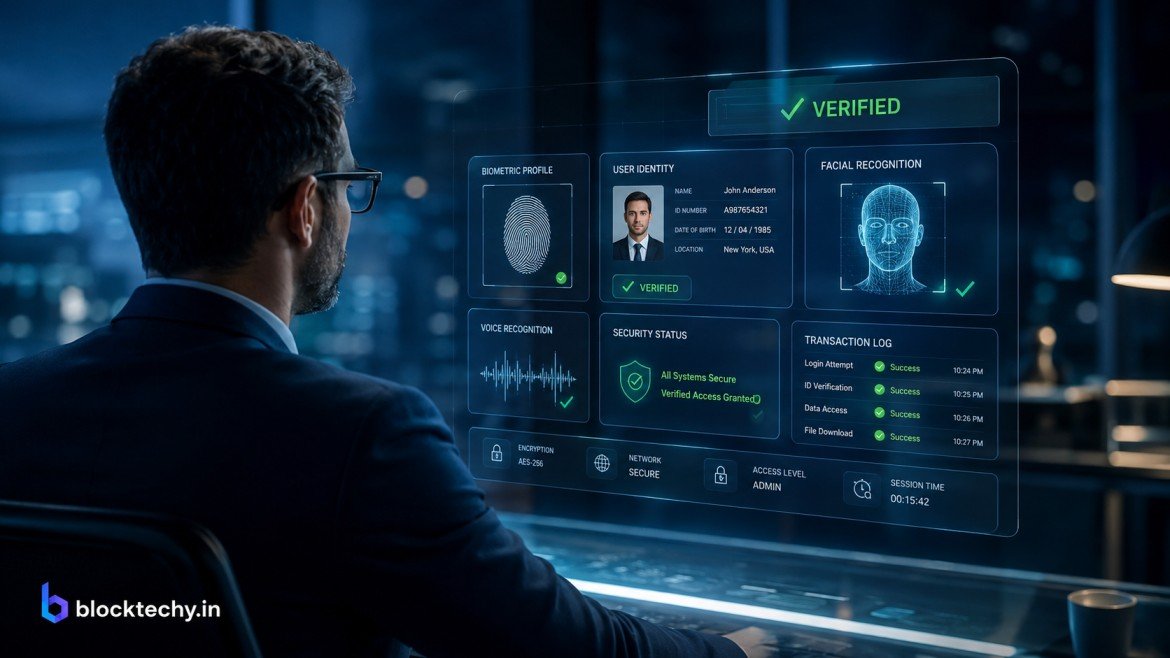
Without trust, digital transformation becomes difficult. Customers may hesitate to share information, businesses may face reputational damage, and governments may struggle to deliver secure digital services.
Several factors threaten digital trust today:
- Data breaches exposing sensitive information
- Identity theft and fraud
- AI-generated deepfakes and misinformation
- Ransomware attacks
- Unauthorized access to systems
- Manipulation of digital records
As cyber threats become more advanced, organizations must adopt technologies that not only enhance security but also strengthen trust among users. Blockchain provides a promising foundation for achieving this goal.
What is Blockchain Technology?
Blockchain is a distributed digital ledger that records transactions across multiple computers in a network. Unlike traditional databases that store information in a centralized location, blockchain distributes data across numerous nodes, making it highly secure and resistant to tampering.

Each transaction is stored in a block, which is linked to previous blocks using cryptographic techniques. Once information is recorded on the blockchain, it becomes extremely difficult to alter or delete.
The key features of blockchain include:
Decentralization
Data is distributed across multiple participants rather than controlled by a single authority. This reduces dependence on centralized systems and minimizes single points of failure.
Transparency
Blockchain provides visibility into transactions and activities while maintaining data integrity. Participants can verify records independently.
Immutability
Once a transaction is recorded, it cannot be modified without consensus from the network. This creates a trustworthy and permanent record.
Cryptographic Security
Advanced encryption techniques protect information and ensure that only authorized users can access sensitive data.
These characteristics make blockchain an effective tool for strengthening cybersecurity and enhancing trust in digital ecosystems.
The Growing Cybersecurity Challenges in the Age of AI
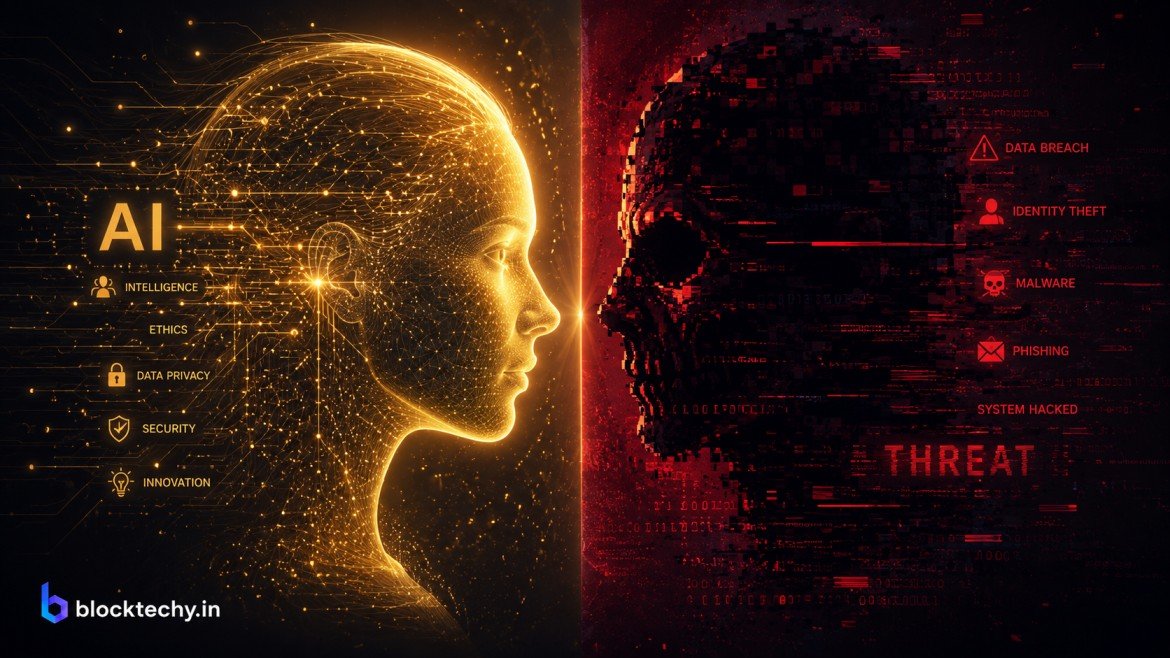
Artificial Intelligence has become a double-edged sword in cybersecurity. While it helps organizations detect threats and automate security processes, it also provides cybercriminals with powerful tools for launching sophisticated attacks.
AI-Powered Cyber Threats
Cybercriminals are increasingly using AI to:
- Automate phishing campaigns
- Generate realistic fake content
- Crack passwords more efficiently
- Identify system vulnerabilities
- Conduct large-scale cyberattacks
For example, AI-generated deepfakes can impersonate executives, public figures, or employees to manipulate individuals into revealing sensitive information.
Data Privacy Concerns
AI systems require vast amounts of data to function effectively. This creates concerns regarding data collection, storage, and protection. Unauthorized access to AI training data can result in privacy violations and intellectual property theft.
Trust in AI Decisions
As AI becomes more involved in decision-making processes, ensuring the integrity and transparency of AI-generated outcomes becomes increasingly important. Users need confidence that AI systems are accurate, unbiased, and secure.
These challenges highlight the need for stronger security frameworks that can support the growing influence of AI in society.
How Blockchain Enhances Cybersecurity
Blockchain introduces several capabilities that can significantly improve cybersecurity practices.
1. Eliminating Single Points of Failure
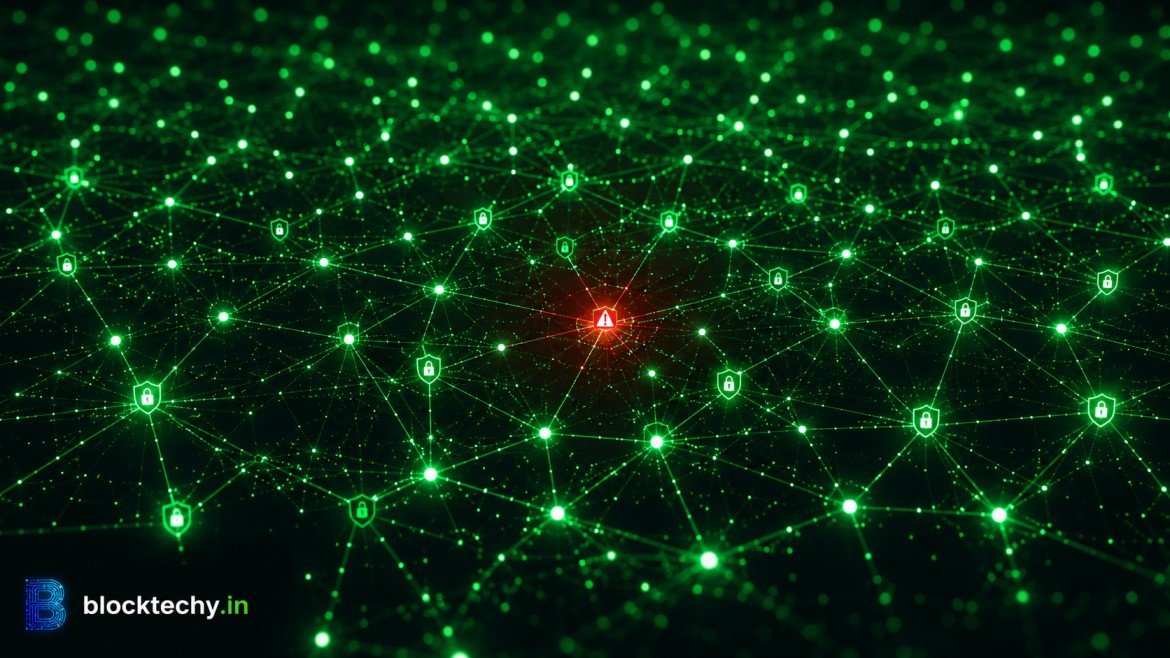
Traditional cybersecurity systems often rely on centralized databases and servers. If attackers successfully compromise these systems, they can gain access to large amounts of sensitive information.
Blockchain distributes information across multiple nodes, making it far more difficult for attackers to compromise the entire network. Even if one node is breached, the remaining nodes continue to maintain the integrity of the system.
This decentralized structure improves resilience against cyberattacks.
2. Protecting Data Integrity
One of the most important principles of cybersecurity is ensuring that data remains accurate and unaltered.
Blockchain creates immutable records that cannot be modified without detection. Every transaction is cryptographically linked to previous records, making unauthorized changes nearly impossible.
This capability is particularly valuable for industries that depend on secure record-keeping, such as healthcare, finance, and government services.
3. Enhancing Identity Management
Identity theft remains a major cybersecurity challenge worldwide.
Traditional identity management systems store user information in centralized databases that are attractive targets for hackers. Blockchain enables decentralized identity systems where users control their own digital identities through cryptographic credentials.
Benefits include:
- Reduced risk of identity theft
- Improved user privacy
- Stronger authentication mechanisms
- Greater control over personal information
Decentralized identities can significantly strengthen trust in digital interactions.
4. Securing Data Sharing
Organizations frequently share sensitive information across departments, partners, and external stakeholders.
Blockchain provides secure mechanisms for sharing data while maintaining transparency and control. Access permissions can be verified and recorded on the blockchain, reducing the risk of unauthorized access.
This is especially useful in sectors such as healthcare, supply chain management, and financial services.
5. Strengthening Audit Trails
Blockchain automatically creates tamper-proof records of all transactions and activities.
These audit trails help organizations:
- Detect suspicious behavior
- Investigate security incidents
- Demonstrate regulatory compliance
- Improve accountability
The ability to verify every transaction enhances trust and transparency throughout the system.
The Synergy Between Blockchain and AI
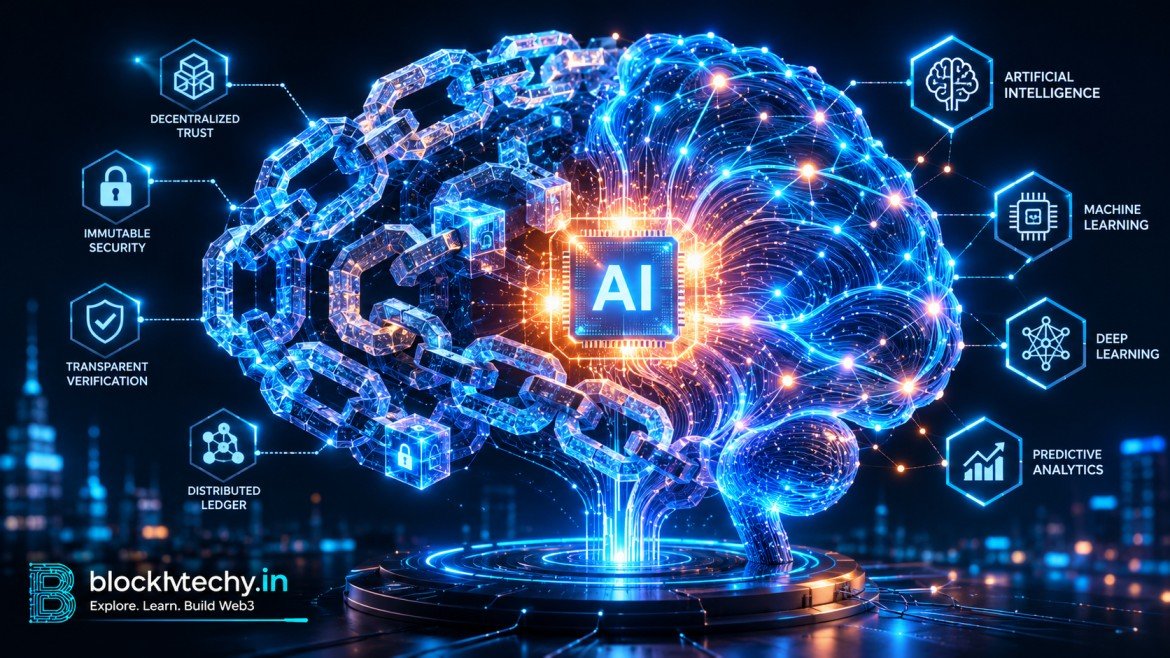
While blockchain strengthens security and trust, AI provides intelligence and automation. Together, they create a powerful combination for addressing modern cybersecurity challenges.
Securing AI Data
AI systems rely heavily on data quality and integrity. If training data is manipulated, AI models may produce inaccurate or harmful results.
Blockchain can verify the authenticity of datasets and maintain a secure record of data sources, ensuring that AI systems operate on trustworthy information.
Improving AI Transparency
One criticism of AI is its “black box” nature, where decision-making processes are often difficult to understand.
Blockchain can provide transparent records of AI decisions, model updates, and data usage, improving accountability and trust.
Automated Threat Detection
AI excels at identifying patterns and detecting anomalies in large datasets.
When combined with blockchain’s secure data storage capabilities, organizations can create advanced cybersecurity systems capable of detecting and responding to threats more effectively.
Preventing AI Manipulation
Cybercriminals may attempt to alter AI models or inject malicious data.
Blockchain can maintain secure records of AI model versions and updates, making unauthorized modifications easier to detect.
Real-World Applications
Financial Services
The financial industry faces constant threats from fraud, cyberattacks, and identity theft.
Blockchain helps secure:
- Digital payments
- Cross-border transactions
- Customer identities
- Fraud detection systems
AI further enhances these capabilities by identifying suspicious patterns and preventing fraudulent activities in real time.
Healthcare
Healthcare organizations manage sensitive patient information that requires strong protection.
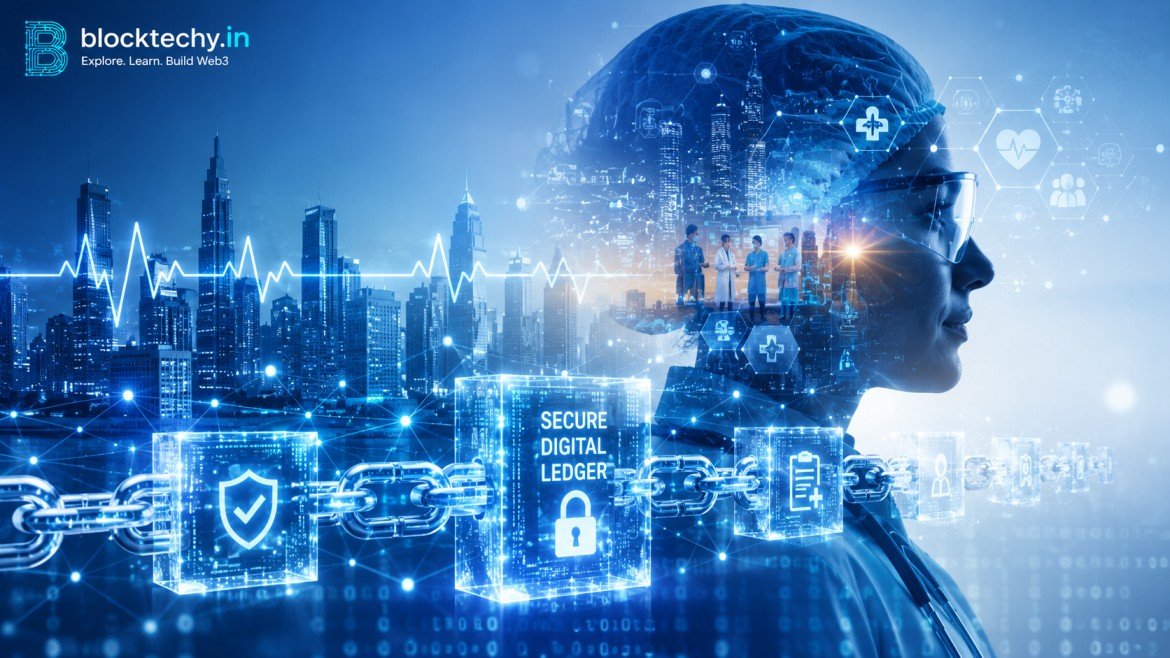
Blockchain can secure electronic health records while AI assists with diagnostics, treatment recommendations, and patient monitoring.
Together, these technologies improve security, efficiency, and patient trust.
Supply Chain Security
Modern supply chains involve multiple stakeholders and complex logistics networks.
Blockchain creates transparent records of product movement, while AI analyzes data to identify risks, inefficiencies, and potential fraud.
This combination improves supply chain visibility and security.
Smart Cities
Smart cities rely on interconnected systems for transportation, energy management, public safety, and communication.
Blockchain secures data exchanges between devices, while AI optimizes city operations and resource management.
These technologies contribute to safer and more efficient urban environments.
Challenges and Limitations
Despite their advantages, blockchain and AI face several challenges.
Scalability
Blockchain networks can experience performance limitations as transaction volumes increase. Organizations must address scalability concerns before large-scale implementation.
Energy Consumption
Some blockchain systems consume significant amounts of energy, raising environmental concerns.
Newer consensus mechanisms such as Proof of Stake aim to improve sustainability while maintaining security.
Regulatory and Legal Issues
Governments worldwide are still developing regulations for blockchain and AI technologies.
Organizations must navigate evolving legal frameworks and compliance requirements.
Technical Complexity
Implementing blockchain and AI requires specialized expertise, infrastructure investments, and organizational readiness.
Many businesses may face challenges integrating these technologies into existing systems.
Data Privacy Concerns
Although blockchain improves transparency, organizations must ensure compliance with privacy regulations when handling sensitive information.
Balancing transparency and privacy remains an ongoing challenge.
The Future of Digital Trust
The future of cybersecurity will increasingly depend on technologies that strengthen trust, security, and transparency.

Several trends are likely to shape this future:
- Decentralized digital identities replacing traditional passwords
- AI-powered security systems detecting threats in real time
- Blockchain-based verification of online content and digital assets
- Secure data-sharing ecosystems across industries
- Enhanced protection against deepfakes and misinformation
- Greater adoption of Zero Trust security architectures
As organizations continue to embrace digital transformation, blockchain and AI will play critical roles in creating trustworthy digital environments.
Conclusion
In the age of AI, cybersecurity has become more important than ever. While artificial intelligence offers remarkable opportunities for innovation and efficiency, it also introduces new risks and challenges. Protecting sensitive information, ensuring data integrity, and maintaining trust in digital systems require advanced security solutions.
Blockchain technology provides a strong foundation for addressing these challenges through decentralization, transparency, immutability, and cryptographic security. By strengthening identity management, securing data sharing, protecting AI systems, and creating trustworthy audit trails, blockchain significantly enhances cybersecurity capabilities.
The integration of blockchain and AI represents a powerful partnership that can transform how organizations protect digital assets and build trust in the digital economy. Although challenges remain, ongoing advancements in both technologies continue to unlock new possibilities for secure and transparent digital ecosystems.
Ultimately, blockchain and cybersecurity are not just technological innovations—they are essential pillars for strengthening digital trust in the age of AI and building a safer, more resilient future for individuals, businesses, and societies worldwide.
Follow this link to join my WhatsApp group: https://chat.whatsapp.com/JvmrMTxkdgt9u6kGMT73XY
👍👍