Introduction
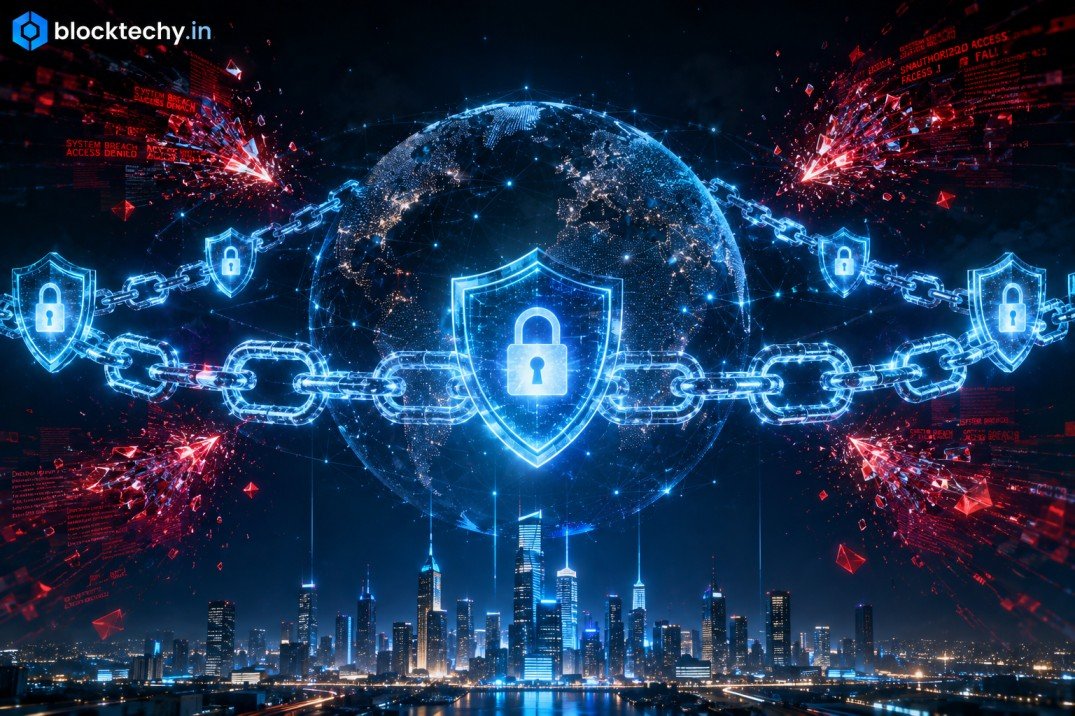
As the world becomes increasingly digital, cybersecurity has emerged as one of the most critical challenges facing individuals, businesses, and governments. Every day, millions of cyberattacks target sensitive information, financial systems, healthcare records, and critical infrastructure. Traditional cybersecurity solutions, while effective to some extent, often struggle to keep pace with the growing sophistication of cybercriminals.
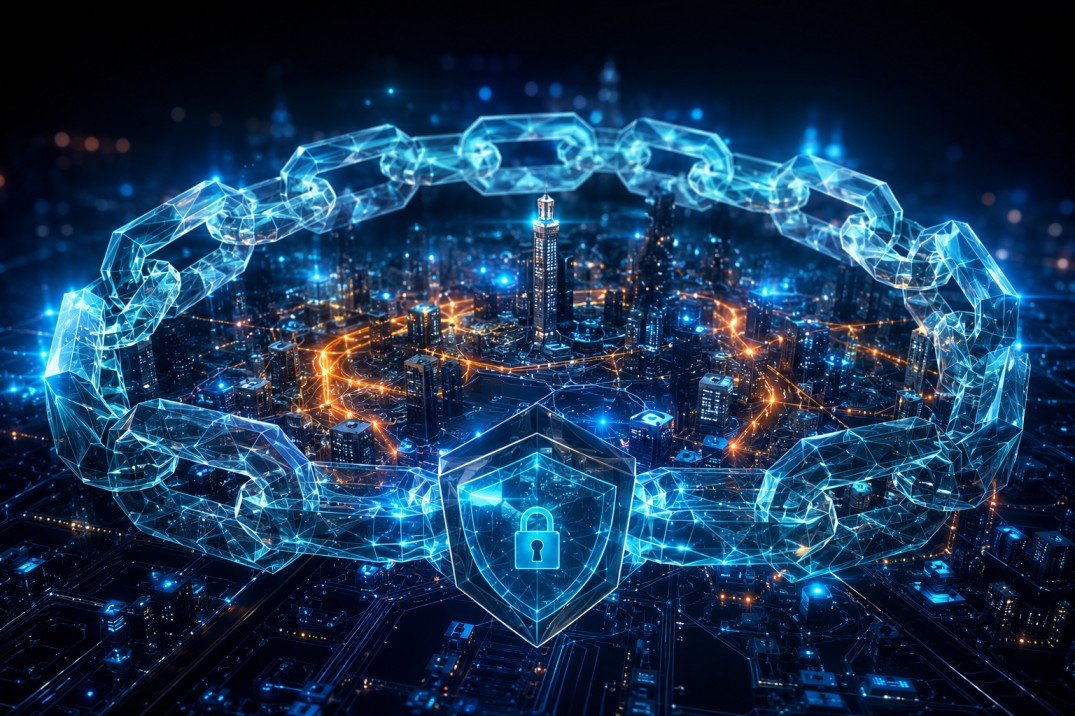
At the same time, blockchain technology has gained significant attention for its ability to create secure, transparent, and decentralized systems. Initially developed as the foundation for cryptocurrencies such as Bitcoin, blockchain has evolved into a powerful technology with applications far beyond digital currencies. Today, organizations are exploring how blockchain can strengthen cybersecurity, protect data, and reduce vulnerabilities in digital ecosystems.
The combination of blockchain and cybersecurity offers a promising path toward building a safer digital future. By leveraging decentralization, cryptographic security, and immutable records, blockchain can address many of the weaknesses present in traditional security frameworks. This article explores the relationship between blockchain and cybersecurity, examines the benefits and challenges of integrating the two technologies, and discusses their potential impact on the future of digital security.
Understanding Cybersecurity
Cybersecurity refers to the practice of protecting computer systems, networks, applications, and data from unauthorized access, attacks, and damage. Its primary objective is to ensure the confidentiality, integrity, and availability of information.

Modern organizations face numerous cybersecurity threats, including:
- Malware and ransomware attacks
- Phishing scams
- Data breaches
- Identity theft
- Distributed Denial-of-Service (DDoS) attacks
- Insider threats
- Advanced persistent threats (APTs)
The consequences of cyberattacks can be severe, resulting in financial losses, reputational damage, operational disruptions, and legal liabilities. As organizations increasingly rely on digital technologies, cybersecurity has become a fundamental requirement for business continuity and public trust.
Despite advancements in security technologies such as firewalls, antivirus software, intrusion detection systems, and encryption, many systems remain vulnerable due to centralized architectures, human error, and evolving attack techniques.
What is Blockchain Technology?
Blockchain is a distributed digital ledger that records transactions across multiple computers in a network. Instead of storing data in a central database, blockchain distributes information across numerous nodes, making it highly resistant to tampering and unauthorized modifications.

A blockchain consists of a series of blocks that contain transaction data. Each block is linked to the previous block using cryptographic hashes, creating a secure chain of information. Once a block is added to the chain, altering its contents becomes extremely difficult without changing all subsequent blocks and obtaining network consensus.
Key characteristics of blockchain include:
Decentralization
Unlike traditional databases controlled by a central authority, blockchain operates through a decentralized network of participants. This reduces the risk of a single point of failure.
Transparency
Transactions recorded on a blockchain can be viewed and verified by authorized participants, enhancing accountability and trust.
Immutability
Once data is recorded on the blockchain, it cannot be easily altered or deleted, ensuring the integrity of information.
Cryptographic Security
Blockchain relies on advanced cryptographic techniques to secure transactions and verify user identities.
These features make blockchain an attractive technology for improving cybersecurity across various industries.
How Blockchain Enhances Cybersecurity
1. Eliminating Single Points of Failure
Traditional systems often rely on centralized servers to store and manage data. If attackers compromise these servers, they can gain access to vast amounts of sensitive information.
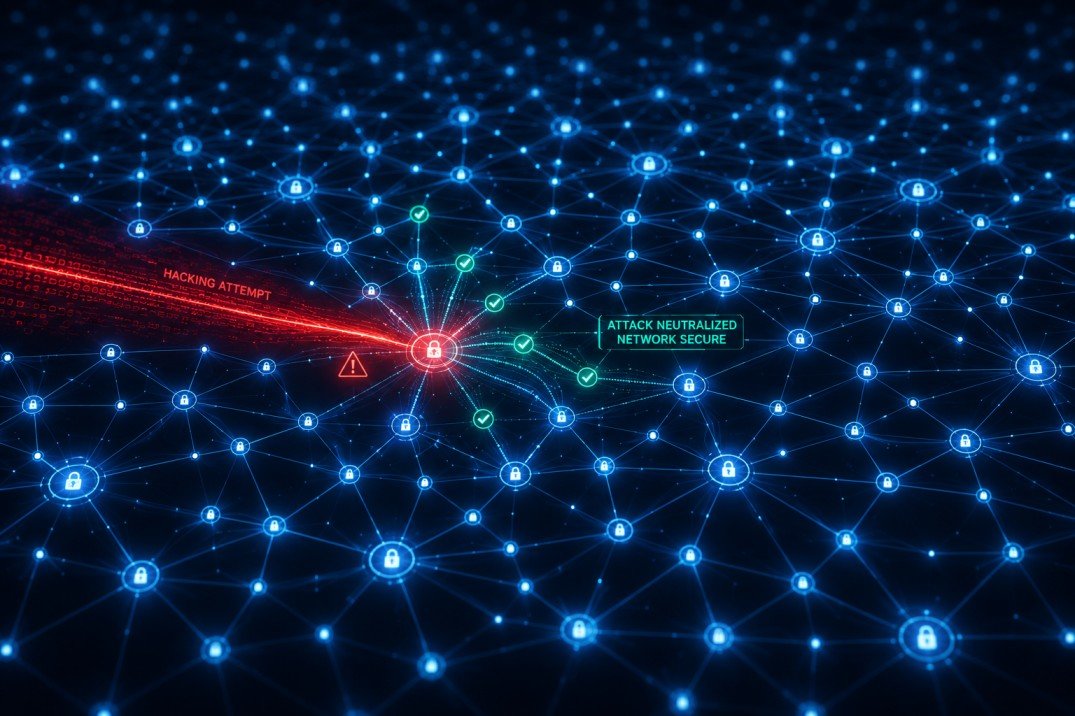
Blockchain distributes data across multiple nodes, making it significantly more difficult for attackers to target a single location. Even if one node is compromised, the network continues to operate securely.
This decentralized architecture enhances system resilience and reduces the risk of catastrophic data breaches.
2. Strengthening Data Integrity
Data integrity is a critical component of cybersecurity. Organizations must ensure that information remains accurate and unaltered.
Blockchain’s immutable ledger provides a reliable mechanism for maintaining data integrity. Every transaction is cryptographically linked to previous records, creating a permanent audit trail.
Any attempt to modify data would be immediately detectable, making blockchain particularly valuable for industries that require secure record-keeping, such as healthcare, finance, and government services.
3. Enhancing Identity and Access Management
Identity theft and unauthorized access remain major cybersecurity concerns. Traditional authentication systems often rely on passwords, which can be stolen, guessed, or reused.
Blockchain-based identity management systems offer a more secure alternative by enabling users to control their digital identities through cryptographic keys.
Benefits include:
- Reduced reliance on passwords
- Improved privacy protection
- Stronger authentication mechanisms
- Lower risk of identity fraud
Decentralized identity solutions empower users while minimizing vulnerabilities associated with centralized identity databases.
4. Securing Internet of Things (IoT) Devices
The rapid growth of IoT devices has expanded the attack surface for cybercriminals. Many connected devices lack adequate security measures, making them attractive targets.
Blockchain can improve IoT security by:
- Authenticating device identities
- Recording device interactions securely
- Preventing unauthorized access
- Enhancing communication integrity
By establishing trust among devices, blockchain helps create more secure IoT ecosystems.
5. Protecting Sensitive Data
Data breaches continue to affect organizations worldwide. Blockchain can enhance data protection by combining decentralization with encryption techniques.
Instead of storing complete datasets in a single location, organizations can use blockchain to securely manage access permissions and verify data authenticity.
This approach reduces exposure to large-scale breaches while maintaining secure data sharing capabilities.
6. Improving Supply Chain Security
Supply chains involve numerous stakeholders, making them vulnerable to fraud, counterfeit products, and data manipulation.
Blockchain enables transparent and tamper-resistant tracking of goods throughout the supply chain. Every transaction is recorded and verified, providing a trustworthy history of product movement.
Enhanced supply chain visibility helps organizations detect anomalies, prevent fraud, and improve overall security.
Real-World Applications of Blockchain in Cybersecurity
Financial Services
Banks and financial institutions face constant cyber threats. Blockchain helps secure transactions, prevent fraud, and improve transparency.
Financial organizations use blockchain for:
- Secure payments
- Fraud detection
- Identity verification
- Transaction auditing
The technology reduces operational risks while strengthening customer trust.
Healthcare
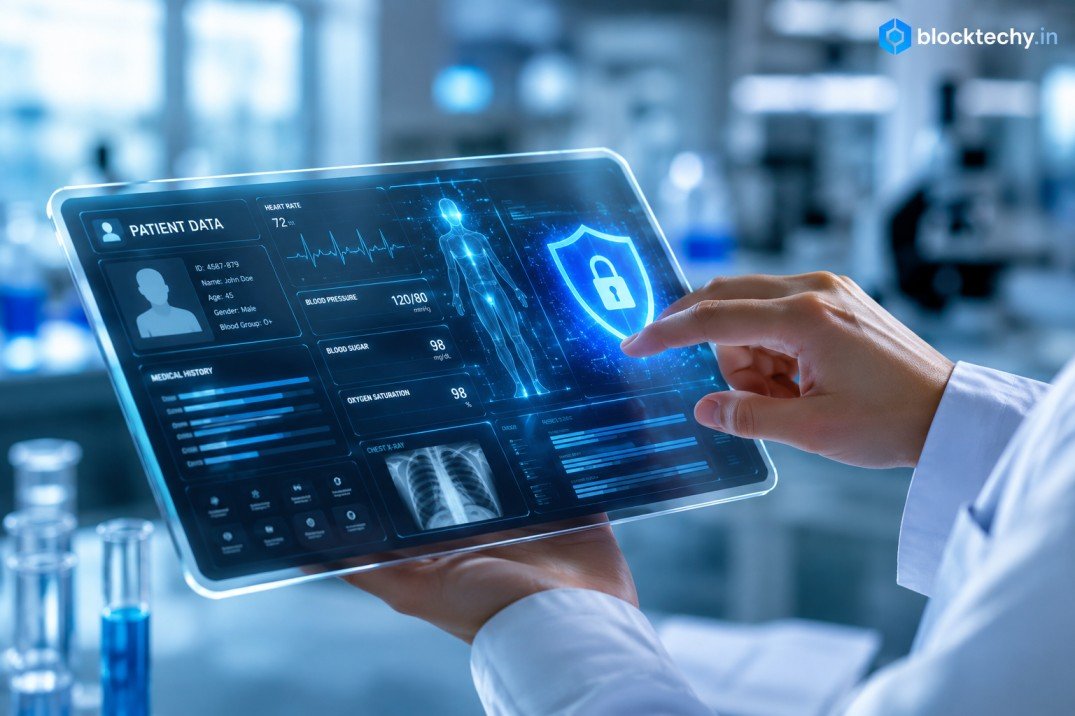
Healthcare organizations manage highly sensitive patient information that must remain secure and confidential.
Blockchain enables:
- Secure storage of medical records
- Controlled data sharing among healthcare providers
- Improved patient privacy
- Protection against record tampering
Patients can maintain greater control over their personal health information while ensuring data integrity.
Government Services
Governments handle vast amounts of citizen data and critical infrastructure systems.
Blockchain can support:
- Secure digital identities
- Transparent public records
- Election security
- Document verification
These applications enhance trust, efficiency, and accountability within public institutions.
Cyber Threat Intelligence
Organizations can use blockchain to share threat intelligence securely across networks.
A decentralized threat intelligence platform enables participants to exchange verified cybersecurity information without relying on a single authority.
This collaborative approach improves the ability to identify and respond to emerging threats.
Challenges of Using Blockchain in Cybersecurity
While blockchain offers significant cybersecurity benefits, it is not without limitations.
Scalability Issues
Many blockchain networks face scalability challenges due to transaction processing limitations. As network activity increases, performance may decline.

Organizations must carefully evaluate whether blockchain can support their operational requirements.
Energy Consumption
Certain blockchain consensus mechanisms, particularly Proof of Work, consume substantial amounts of energy.
Although newer alternatives such as Proof of Stake are more energy-efficient, sustainability remains an important consideration.
Regulatory Uncertainty
Blockchain technology continues to evolve, and regulatory frameworks vary across countries.
Organizations implementing blockchain solutions must navigate complex legal and compliance requirements.
Smart Contract Vulnerabilities
Smart contracts automate transactions through programmable code. However, coding errors or vulnerabilities can create security risks.
Regular security audits and secure development practices are essential to minimize these threats.
Integration Complexity
Many organizations rely on legacy systems that were not designed to work with blockchain technology.
Integrating blockchain into existing infrastructures may require significant investment, expertise, and organizational change.
The Future of Blockchain and Cybersecurity
The future of cybersecurity will likely involve a combination of traditional security solutions and emerging technologies such as blockchain, artificial intelligence, and machine learning.
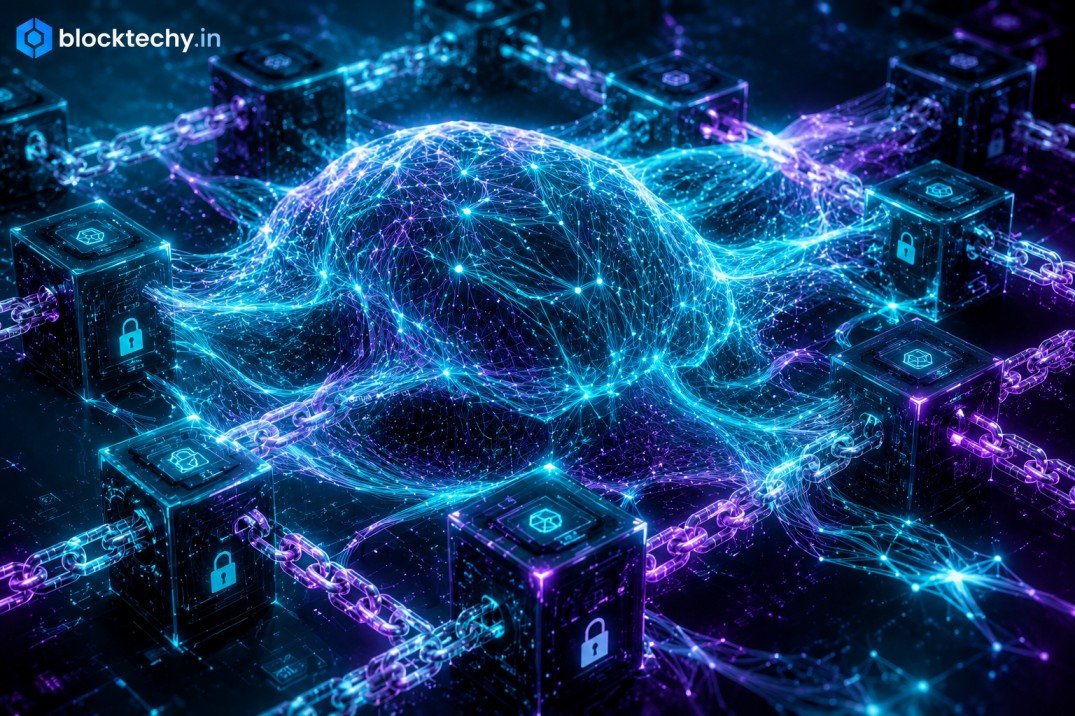
Several trends are expected to shape this evolution:
Decentralized Digital Identity
Blockchain-based identity systems may replace traditional username-password models, reducing the risk of credential theft and identity fraud.
Zero Trust Security Models
Organizations are increasingly adopting Zero Trust frameworks that continuously verify users and devices. Blockchain can strengthen these models by providing secure identity verification and transaction validation.
AI and Blockchain Integration
Artificial intelligence can detect threats and analyze large datasets, while blockchain ensures data integrity and transparency.
Together, these technologies can create more robust and intelligent cybersecurity solutions.
Secure Data Sharing
As organizations collaborate across industries and borders, blockchain can facilitate secure and trusted data exchange while maintaining privacy and compliance.
Protection Against Emerging Threats
Future cyber threats will become increasingly sophisticated. Blockchain’s decentralized architecture and cryptographic foundations offer a strong defense against many forms of cybercrime.
Conclusion
Cybersecurity remains one of the most pressing challenges of the digital age. As cyber threats continue to evolve, organizations must adopt innovative solutions capable of protecting sensitive information and maintaining trust in digital systems.
Blockchain technology offers a powerful approach to enhancing cybersecurity through decentralization, transparency, immutability, and cryptographic protection. By eliminating single points of failure, strengthening data integrity, improving identity management, and securing connected devices, blockchain addresses many of the weaknesses found in traditional security architectures.
Although challenges such as scalability, energy consumption, and regulatory uncertainty remain, ongoing technological advancements are helping overcome these obstacles. As blockchain matures and integrates with emerging technologies like artificial intelligence, its role in cybersecurity is expected to grow significantly.
The convergence of blockchain and cybersecurity represents more than a technological innovation—it represents a strategic shift toward building a safer, more trustworthy digital future. Organizations that embrace this transformation will be better equipped to protect their assets, safeguard user data, and navigate the increasingly complex cyber landscape of the twenty-first century.
Follow this link to join my WhatsApp group: https://chat.whatsapp.com/JvmrMTxkdgt9u6kGMT73XY