Introduction
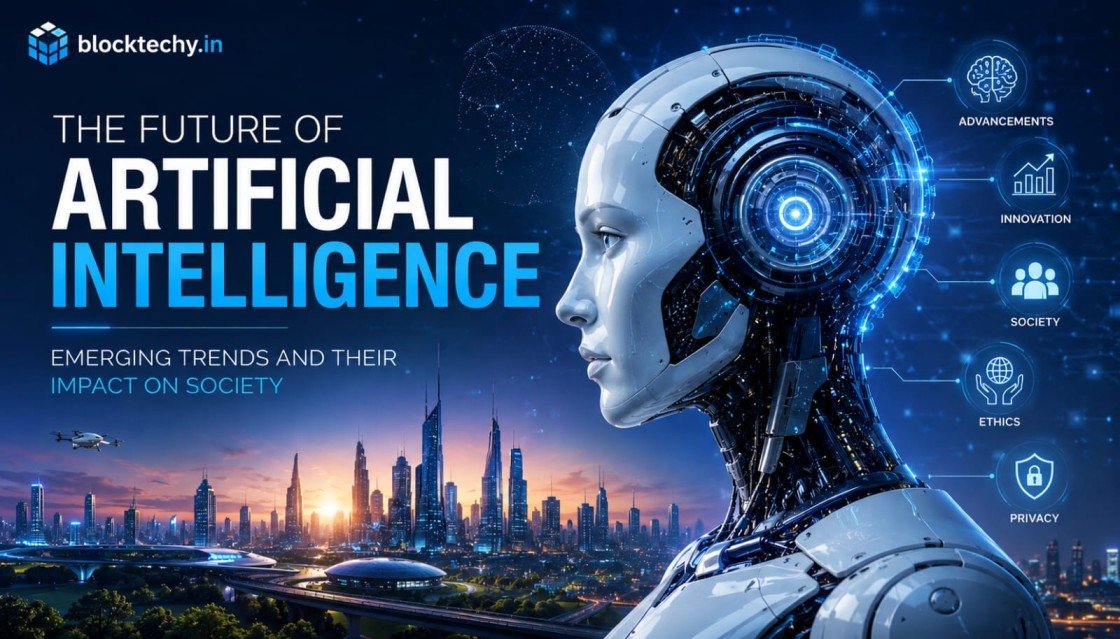
Artificial Intelligence (AI) has rapidly evolved from a futuristic concept into a transformative force that influences nearly every aspect of modern life. From voice assistants and recommendation systems to autonomous vehicles and advanced healthcare solutions, AI is reshaping industries, economies, and societies worldwide. As technology continues to advance, the future of AI promises even greater innovations that will redefine how people work, learn, communicate, and solve complex problems.

While AI offers tremendous opportunities for growth and efficiency, it also raises important questions about ethics, privacy, employment, and social responsibility. Understanding emerging AI trends and their potential impact is crucial for businesses, governments, and individuals preparing for a technology-driven future.
In this article, we explore the key trends shaping the future of artificial intelligence and examine how these developments may influence society in the coming years.
The Rise of Generative AI
One of the most significant developments in recent years is the emergence of generative AI. Unlike traditional AI systems that analyze and classify data, generative AI can create new content, including text, images, videos, music, and software code.
Advanced AI models are already helping businesses automate content creation, improve customer service, and accelerate software development. In creative industries, AI tools assist writers, designers, and marketers by generating ideas, drafts, and visual assets.

The future of generative AI will likely bring:
- More human-like interactions with AI assistants
- Faster content production across industries
- Personalized educational and training materials
- Enhanced creative collaboration between humans and machines
As generative AI becomes more sophisticated, organizations will need to establish ethical guidelines to ensure responsible use and prevent misinformation or misuse.
AI-Powered Healthcare Revolution
Healthcare is one of the sectors expected to experience the greatest benefits from AI advancements. AI systems can analyze vast amounts of medical data, identify patterns, and assist healthcare professionals in making more accurate diagnoses and treatment decisions.

Emerging applications include:
Early Disease Detection
AI algorithms can detect diseases such as cancer, diabetes, and cardiovascular conditions at earlier stages than traditional methods, improving patient outcomes and reducing treatment costs.
Personalized Medicine
By analyzing genetic information and patient history, AI can help create customized treatment plans tailored to individual needs.
Robotic Surgery
AI-assisted robotic systems enhance surgical precision, reduce recovery times, and minimize risks during complex procedures.
Virtual Health Assistants
AI-powered chatbots and virtual assistants can provide medical guidance, schedule appointments, and monitor patient health remotely.
As healthcare systems adopt AI technologies, improved accessibility, efficiency, and patient care are expected worldwide.
Automation and the Future of Work
Automation has long been associated with AI, and its influence on the workforce continues to grow. AI-powered systems can perform repetitive tasks with greater speed and accuracy than humans, increasing productivity across industries.

Common areas of automation include:
- Manufacturing
- Customer support
- Data analysis
- Logistics
- Financial services
- Retail operations
While automation may replace certain routine jobs, it will also create new opportunities. Emerging roles in AI development, cybersecurity, data science, machine learning, and digital transformation are expected to increase significantly.
The future workforce will require a stronger emphasis on:
- Digital literacy
- Critical thinking
- Problem-solving skills
- Creativity
- Emotional intelligence
Organizations and educational institutions must invest in reskilling and upskilling programs to help workers adapt to changing job requirements.
AI and Smart Cities
Urban populations are growing rapidly, creating challenges related to transportation, energy consumption, public safety, and resource management. AI-powered smart cities offer innovative solutions to address these issues.
Key applications include:
Intelligent Traffic Management
AI can analyze traffic patterns in real time, optimize signal timing, and reduce congestion.
Energy Efficiency
Smart grids powered by AI can monitor energy usage and improve resource distribution.
Public Safety
AI-based surveillance systems can detect unusual activities, identify potential threats, and assist emergency response teams.
Waste Management
Smart sensors and predictive analytics help optimize waste collection routes and reduce environmental impact.
These technologies have the potential to improve quality of life while making cities more sustainable and efficient.
Ethical AI and Responsible Development
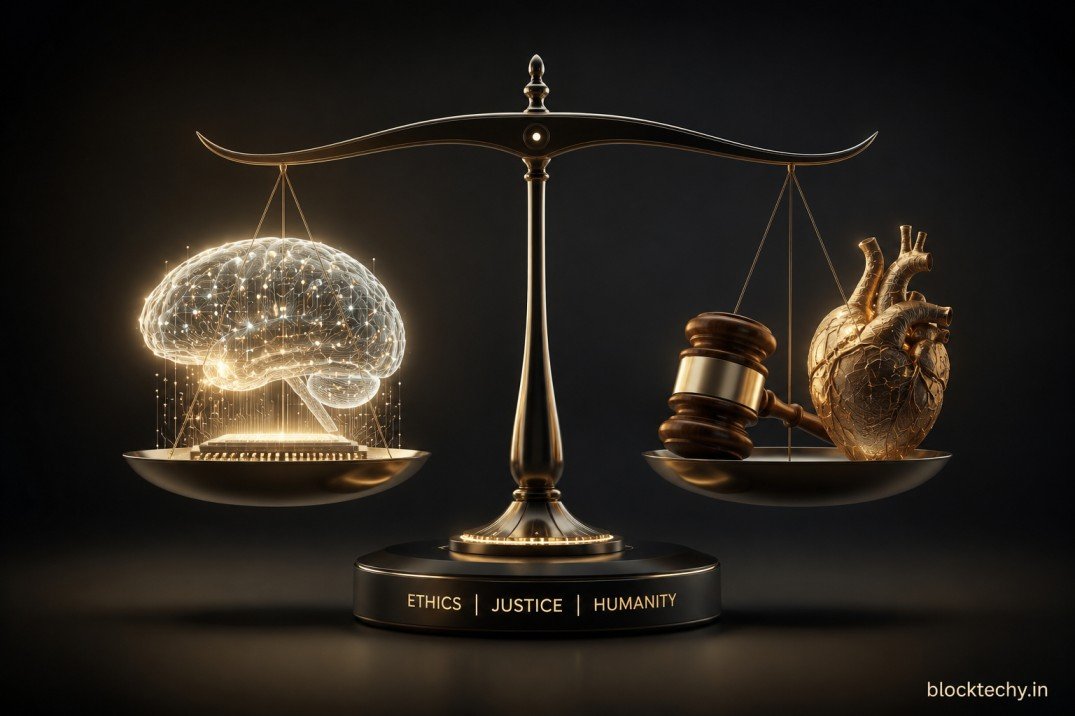
As AI becomes increasingly integrated into society, ethical concerns are gaining greater attention. Responsible AI development is essential to ensure fairness, transparency, and accountability.

Major ethical challenges include:
Algorithmic Bias
AI systems learn from historical data, which may contain biases. If not addressed, AI can unintentionally reinforce discrimination in hiring, lending, healthcare, and law enforcement.
Privacy Concerns
AI often relies on large datasets, including personal information. Organizations must protect user privacy and comply with data protection regulations.
Transparency
Many advanced AI models operate as “black boxes,” making it difficult to understand how decisions are made. Increasing transparency is essential for building public trust.
Accountability
Clear guidelines are needed to determine responsibility when AI systems make errors or cause harm.
Governments, technology companies, and researchers are actively working to develop ethical frameworks that promote responsible AI innovation.
AI in Education
The future of education is likely to be heavily influenced by AI technologies. Personalized learning experiences can help students learn at their own pace while addressing individual strengths and weaknesses.

AI-powered educational tools offer several benefits:
- Adaptive learning platforms
- Automated grading systems
- Personalized tutoring
- Language translation services
- Student performance analytics
These innovations can make education more accessible and effective, particularly for students in underserved communities.
Teachers will continue to play a critical role, but AI can help reduce administrative burdens and provide additional support for personalized instruction.
The Growth of AI in Business
Businesses across industries are increasingly adopting AI to improve efficiency, reduce costs, and enhance customer experiences.

Future business applications include:
Predictive Analytics
AI can analyze historical data to forecast market trends, customer behavior, and business performance.
Customer Experience Enhancement
AI-powered chatbots and virtual assistants provide instant support and personalized recommendations.
Supply Chain Optimization
Businesses can use AI to predict demand, manage inventory, and improve logistics operations.
Fraud Detection
Financial institutions utilize AI to identify suspicious activities and prevent fraud in real time.
Organizations that successfully integrate AI into their operations will likely gain a competitive advantage in the digital economy.
Artificial General Intelligence: The Next Frontier
Most current AI systems are designed for specific tasks, such as language processing or image recognition. However, researchers are exploring the development of Artificial General Intelligence (AGI), which would possess human-like cognitive abilities across a broad range of tasks.

AGI could potentially:
- Solve complex global challenges
- Accelerate scientific discoveries
- Enhance innovation across industries
- Improve decision-making processes
Despite its potential benefits, AGI also raises significant concerns regarding control, safety, and societal impact. Experts continue to debate how such systems should be developed and regulated.
While AGI remains largely theoretical, ongoing research suggests that future breakthroughs could dramatically alter the relationship between humans and machines.
AI and Environmental Sustainability
Climate change and environmental degradation are among the world’s most pressing challenges. AI is emerging as a valuable tool for supporting sustainability efforts.
Applications include:
Climate Modeling
AI can analyze environmental data to improve climate predictions and support policy decisions.
Renewable Energy Optimization
AI helps manage solar and wind energy systems by forecasting production and demand.
Wildlife Conservation
Researchers use AI-powered monitoring systems to track endangered species and combat illegal poaching.
Agricultural Efficiency
Precision agriculture uses AI to optimize irrigation, fertilizer usage, and crop management.
These technologies can help organizations reduce waste, conserve resources, and support long-term environmental goals.
Challenges That Lie Ahead
Despite its tremendous potential, AI development faces several obstacles:
- Regulatory uncertainty
- Data security risks
- Workforce displacement concerns
- Ethical dilemmas
- High development costs
- Public trust issues
Addressing these challenges will require collaboration among governments, businesses, researchers, and civil society organizations.
Balanced regulation will be essential to encourage innovation while protecting individual rights and societal interests.
Conclusion
Artificial Intelligence is poised to become one of the most influential technologies of the 21st century. From healthcare and education to business and environmental sustainability, AI has the potential to drive unprecedented progress and improve quality of life on a global scale.
Emerging trends such as generative AI, smart cities, personalized healthcare, and advanced automation are already transforming industries and reshaping societal expectations. At the same time, concerns regarding ethics, privacy, transparency, and workforce adaptation highlight the importance of responsible AI development.

The future of artificial intelligence will not simply be determined by technological capabilities but by the choices society makes regarding its implementation and governance. By embracing innovation while prioritizing ethical principles, humanity can harness AI’s transformative power to create a more efficient, equitable, and sustainable future.
As AI continues to evolve, staying informed and adaptable will be key to thriving in an increasingly intelligent and interconnected world.
Follow this link to join my WhatsApp group:
https://chat.whatsapp.com/JvmrMTxkdgt9u6kGMT73XY